
Civitella d'Arna: History, Art and Cycling Tour
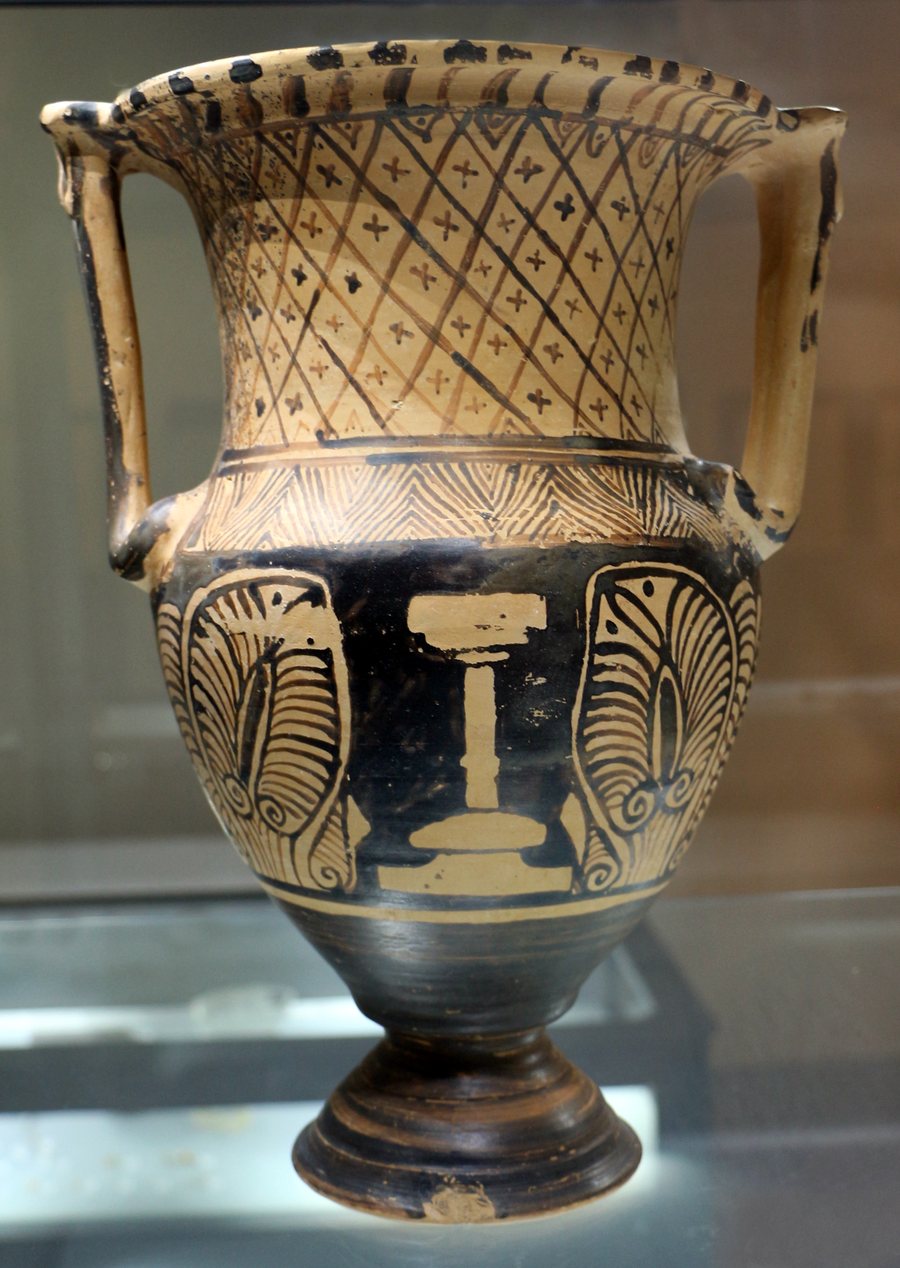 File:Pittore della colonna tuscanica, kelebe etrusca, da osteria, civitella d'arna, perugia, 300-280 ac ca.jpg
Photo: Sailko via Source, CC BY-SA 4.0
File:Pittore della colonna tuscanica, kelebe etrusca, da osteria, civitella d'arna, perugia, 300-280 ac ca.jpg
Photo: Sailko via Source, CC BY-SA 4.0
Civitella d'Arna is situated on a 333-metre-high hill spur, about 10 kilometres east of Perugia. Archaeological finds date human use of the site to the Iron Age, between the 9th and 8th centuries BC.
Historical Layers from Arna to the Castle
Etruscan tombs in Arna date back to the 4th century BC. Between the 3rd and 2nd centuries BC, Arna came under Roman influence, became a municipium and was a bishop's seat around 90 BC.
The Castello di Civitella d'Arna was built around 1297 on Roman foundations. The entrance bastion and a 14th-century arch are preserved from the castle. The surviving structures also include Roman cisterns over which the castle was built; they are considered to be well preserved. For travellers interested in culture, the medieval castle complex here is directly connected with older Roman traces.
Holiday Apartment in Civitella d'Arna: Art and Sacred Sites
The Chiesa di San Lorenzo houses a gonfalon dated 1492 and attributed to Bartolomeo Caporali. This church also contains a painting by the Perugian painter Domenico Bruschi. In addition to its history as a fortress and settlement, the two works of art give the village a clearly recognisable connection to Umbrian painting.
The Chiesina di San Filippo was built around 1650 by the Filippini Fathers; its interior contains a painting by Francesco Appiani. The cemetery chapel of San Cristoforo was built as early as 1189. The historic village setting also includes the 16th-century Fonte dell'Osteria. The Museo Archeologico Nazionale dell'Umbria houses an antefix featuring the head of a maenad from Civitella d'Arna.
Cycling Tour, Landscape and Views of Perugia
The 64.2-kilometre cycling tour “Itinerario 5 – Ponte San Giovanni e Fratticiola Selvatica” leads to several points of interest, including Civitella d'Arna. The route runs along asphalt and unpaved roads. Gravel bikes, mountain bikes and e-bikes are recommended for this cycling tour. The combination of the route length, different surfaces and several points of interest provides a practical basis if you would like to include active days in your travel plans.
Perugia's skyline can be seen from Civitella d'Arna.
Festivals with a History and Fixed Annual Dates
The organisation Proarna is associated with the festival “Festa delle Campane e del Dialetto Perugino”; the festival has been documented since 2000. During the festival, a theatrical performance commemorates the bell casting of 1850 in Civitella d'Arna and culminates in an actual metal casting. Another distinctive tradition is the “Faloni” of the Immacolata: they are lit every year on 14 August and 7 December.
For further orientation in the surrounding region, you will find Strettura, Binami, Bazzano Superiore, Camerata, Protte, Sant'Anastasio, Castelluccio and Pompagnano.
For the higher-level travel overview: Perugia.
Check prices, availability and amenities for your travel dates directly on Booking.com.
View Accommodation and OffersAdvertisement · Affiliate link to Booking.com
