
Holiday apartment in Casacastalda: History, trails and festivals
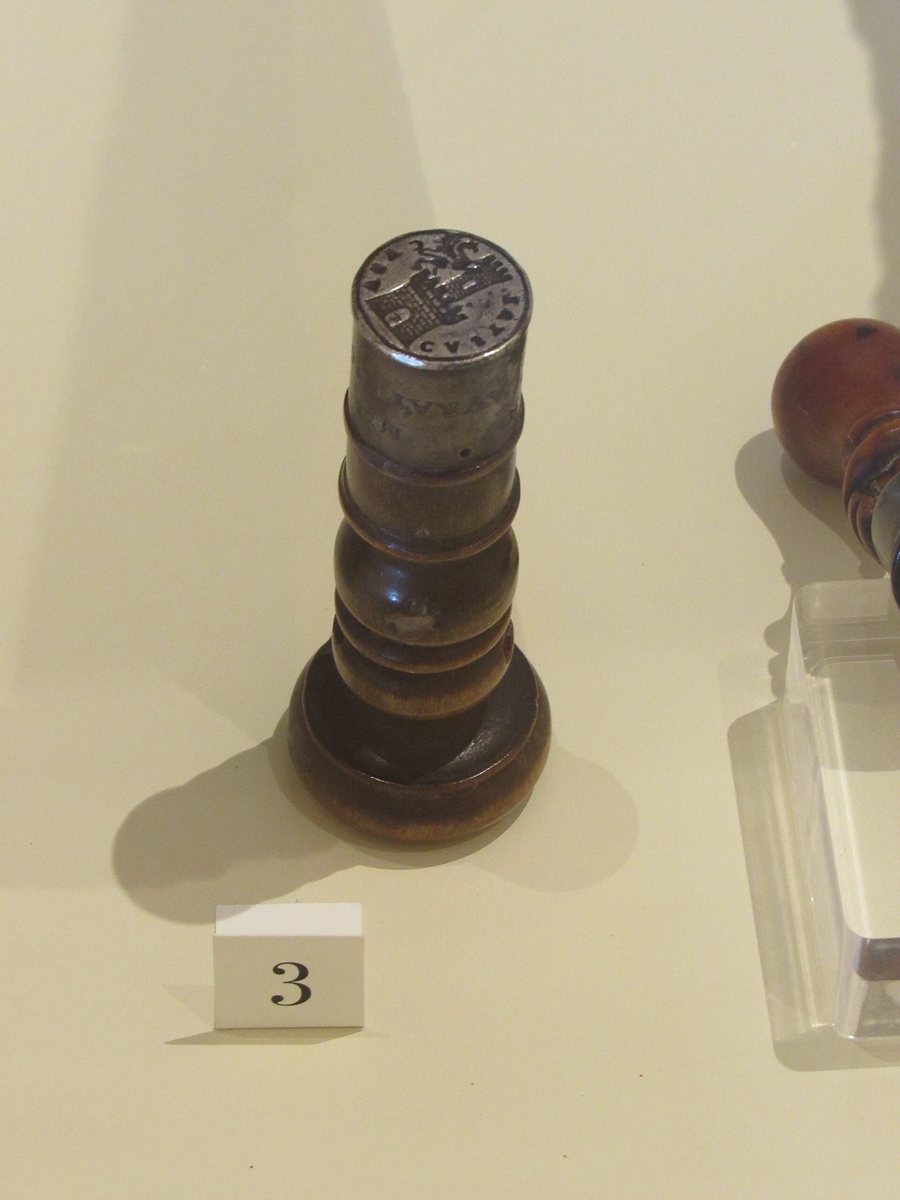 File:Sigelo de la Komunumo de Casacastalda, 1590. Preĝejo-muzeo de Sankta Sebastiano kaj Civita Turo, Valfabbrica.jpg
Photo: Super nabla via Source, CC BY-SA 4.0
File:Sigelo de la Komunumo de Casacastalda, 1590. Preĝejo-muzeo de Sankta Sebastiano kaj Civita Turo, Valfabbrica.jpg
Photo: Super nabla via Source, CC BY-SA 4.0
Casacastalda combines a striking location above two valleys with a diamond-shaped castle complex, historic churches and trails leading to the surrounding mountains. Added to this are lively traditions and a festival featuring regional specialties.
Holiday apartment in Casacastalda: Castle, churches and trails
Casacastalda originated from a castle founded in the 8th century by the Lombard Ernero Castaldo, a descendant of Totila. The castle was rebuilt by the people of Perugia in 1433. Following this reconstruction, the town retained its present-day diamond-shaped castle complex with fortified entrance structures: Porta Perugina lies to the south, Porta del Giglio to the north and Porta Eugubina to the west.
The Church of Santa Maria Assunta dates back to the 10th century and was extensively rebuilt in the 19th century. Inside, it houses a triptych by Matteo da Gualdo. Historically, Santa Maria Assunta was formerly one of the 15 parishes of the Diocese of Nocera. The reference to the 15 parishes is historical: it describes the former ecclesiastical status of Santa Maria Assunta, not its present-day classification. The Santuario della Madonna dell’Olmo commemorates the apparition of the Blessed Virgin to a shepherd girl on 22 May 1484; the elm trunk is preserved inside the church.
Casacastalda occupies a commanding position above the Risacco Valley and the Val di Rasina. The Risacco is a tributary of the Chiascio, while the stream of the Val di Rasina comes from the direction of Gualdo Tadino. These landscape features give the town a clearly defined setting between valley areas and mountain destinations.
Hiking trails with varying levels of difficulty
Several different route options are available for active days. The Madonna dell’Olmo–Monte Santa Cristina loop is a short, easy trail over gravel and asphalt. It leads from the Church of Madonna dell’Olmo to Monte della Dea and onward to Monte Santa Cristina. The Casacastalda–Monte Serra loop, by contrast, is a scenic route of medium difficulty: it runs from the Santuario della Madonna dell’Olmo to the church on Monte Serra dedicated to Saint Francis and Saint Clare. From Casacastalda, it is also possible to follow the St. Francis Way “Assisi–Valfabbrica–Gubbio.” The two loops therefore differ in both difficulty and route layout.
Umbrian traditions and local specialties
Festivals are also part of the town’s character. Casacastalda’s Cantamaggio began in 1977 as a folkloric event and takes place every year in May as a traditional performance of Umbrian folk songs with a rural character. The stornelli and sonnets draw on the custom of sung jokes and serenades. The 56th edition of the “Sagra dello Spaghetto e prodotti tipici locali” is scheduled to take place in Casacastalda from 8 to 14 August 2026. It includes nine evenings of dancing and food stalls in the multipurpose square.
Check prices, availability and amenities for your travel dates directly on Booking.com.
View accommodations and offersAdvertisement · Affiliate link to Booking.comDiscover more destinations
For further travel planning, you can also discover Ramazzano, Gubbio-Nerbisci, Bettona, Marsciano, Colle Calzolaro, Terraia, Papiano and Ripabianca.
To the higher-level travel overview: Perugia.

