
Discover Saline: Salt History, Culture and Routes to Volterra
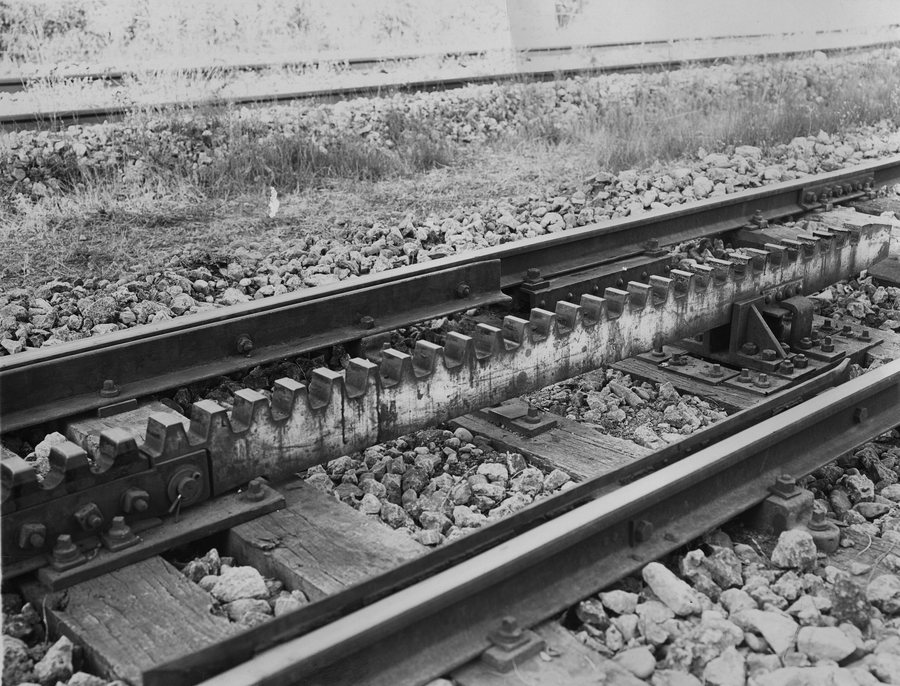 File:Termine cremagliera Saline-Volterra (particolare).jpg
Photo: Unknown author Unknown author via Wikimedia Commons, CC BY 3.0
File:Termine cremagliera Saline-Volterra (particolare).jpg
Photo: Unknown author Unknown author via Wikimedia Commons, CC BY 3.0
Saline is shaped by a salt history that remains immediately tangible. The rock salt deposits formed around six million years ago through the evaporation of saltwater that covered the entire area at the time. When you choose a holiday apartment in Saline, you therefore encounter not only historic buildings, but also landscape features and regional characteristics that are closely connected with salt.
Salt Landscape and Historic Routes
Moie Vecchie is an area in Saline di Volterra shaped by the centuries-long, uninterrupted use of numerous saltwater springs. The long-term extraction of rock salt from underground has caused large depressions in the ground in Saline. Saltwater springs, known as “moie”, emerged throughout the area between Saline, Montegemoli, Querceto and Buriano and were probably already being used in Etruscan times.
The history of trade can also be traced through several routes. In 1100, Saline was considered the first centre of the salt trade in Tuscany. Historically, the salt resources were transported along the Volterra–Valdelsa–Florence road, known as the “Via del sale”. Salt was also transported from Volterra to Empoli and distributed throughout Tuscany.
Holiday Apartment in Saline Between Culture and Regional Flavours
The history of the town is visible in specific buildings. Palazzo dell'Orologio, part of the Saline di Stato complex, was built in 1790 under Grand Duke Pietro Leopoldo. The industrial exploitation of Saline's salt deposits, ordered by the Grand Duke in the second half of the 18th century, led to the development of the settlement of Saline.
A visit includes a salt waterfall in the pavilion designed by Pier Luigi Nervi. The salt produced in Saline reaches a purity of 99.9 percent. Another local speciality is BOS: The craft brewery is located within the salt works, and a tasting programme can be booked for the BOS salt beer varieties. The beers are produced using the energy of the salt works. The range of experiences therefore extends from architecture and industrial history to a distinctly regional concept of enjoyment.
Hiking, Cycling and Tours to Volterra
For active days, a moderately challenging hike is available along the old Saline–Volterra railway line, organised by I Camminatori Liberi. The Francigena-Mare Route 07 is a cycling link between Saline and Volterra. This allows cultural destinations and physical activity to be combined in different travel plans without losing sight of the town's salt history.
Saline is also a prominent point on a drive through the Valdera: The motorcycle tour passes through Saline di Volterra at the junction with the SR68 and includes a visit there before returning to the route. On this motorcycle route, Palazzo dell'Orologio is planned as a brief stop in Saline. Saline station is the terminus of the Cecina–Saline railway line; from there, a bus runs to Volterra. These various connections help you weigh up the desired focus between local history, hiking, cycling and a regional tour when choosing a holiday apartment in Saline.
Local Tradition on the Second Weekend of October
The character of Saline also includes the patronal festival of Madonna del Conforto, which is associated with the second weekend of October. This celebration includes a village festival and fair, during which the Festa della patata in salamoia also takes place. For travel planning, this date provides a clear cultural focal point in the annual calendar.
You can then discover other places at the same regional level via Villamagna, Mazzolla, Pignano and Prato D'era.
For the higher-level travel overview: Volterra.
Check prices, availability and amenities for your travel dates directly on Booking.com.
View Accommodation and OffersAdvertisement · Affiliate link to Booking.com
.jpg)