
Valle San Felice: Nature, Trails and Local History
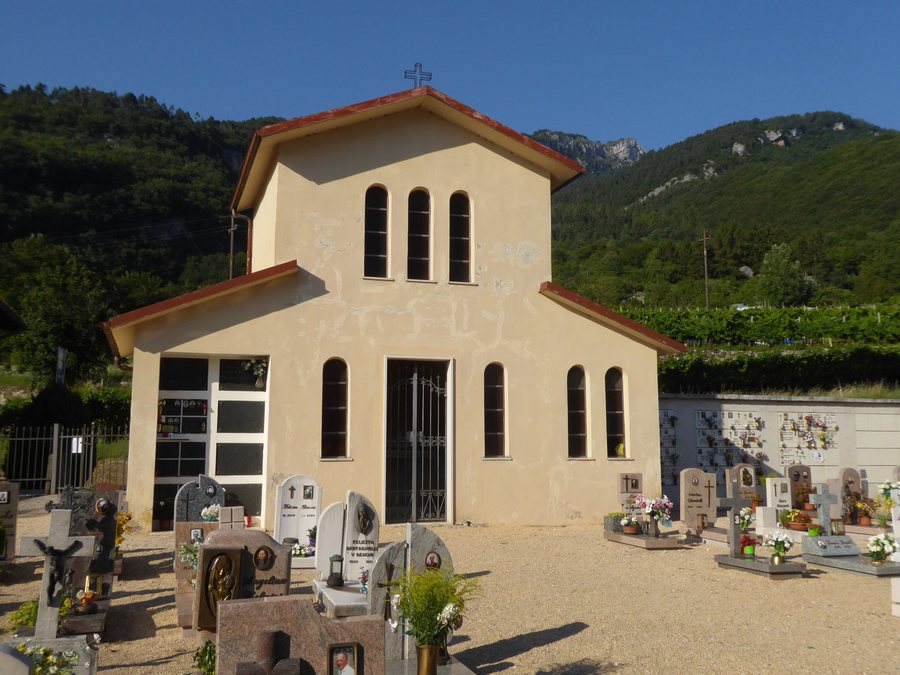
Valle San Felice reveals its character particularly clearly through its landscape: the village lies in a hollow shaped by terraced dry-stone walls and small cultivated areas. This combination of longstanding structures and cultivated land provides a tangible starting point for planning your trip. If you are looking for a holiday apartment in Valle San Felice, you can first consider whether you would like to focus your stay more on nature, hiking experiences or cultural and historical discoveries.
Nature and Landscape Around Valle San Felice
For those interested in nature, the Parco Naturale Locale Monte Baldo offers a distinctive landscape experience. The nature park encompasses a wide range of natural and near-natural habitats. Its defining features include great floral and faunal diversity as well as scenic beauty.
Hiking Trails with Clear Signposting
On its third stage, the Cammino di San Rocco leads from Valle San Felice to Mori Vecchio. In addition, the San Rocco Path, designated as hiking trail F20, is marked with official SAT signs and trail markers as well as white-and-red markings. For your planning, it makes sense to consider the precise route of your chosen trail separately from how you would like to structure the day. This leaves you free to decide whether to focus on a stage of the Cammino di San Rocco or on the marked San Rocco Path.
Buildings from Several Centuries
Valle San Felice is home to rustic and stately buildings from the 16th, 17th and 18th centuries, including the Casa dei Mistura. The Canonica di Valle San Felice is an 18th-century building and was formerly a residence of the Castelbarco family. In 1703, it was set on fire by the troops of General Vendôme during the War of the Spanish Succession and subsequently rebuilt. These buildings offer an immediate connection between the different historical layers of the village.
Other tangible traces include Molim, an old mill on the rio Gresta. It initially belonged to the lords of Gardumo and later to the Castelbarco family. The Chiesa di S. Anna features Gothic architecture and was renovated in 1561. Those who value walks with cultural points of interest when choosing their accommodation will find a clear thematic focus in these buildings and their history, without having to limit the trip to a single experience.
Reminders of the First World War
The history of the First World War is also present in several places. The Galeria di San. Vi was excavated in the pine forest of S. Vito and preserves traces of the First World War. The Barache in the village of Nagià are the ruins of military shelters from the First World War. These two themes broaden the cultural perspective on Valle San Felice with historical evidence that clearly differs from the older buildings and the agriculturally shaped landscape.
Choose a Holiday Apartment to Suit Your Plans
Valle San Felice has a public transport stop. This specific feature of the village may be of interest to you when planning your days between landscapes, trails and historic sites in different ways. A holiday apartment in Valle San Felice can therefore be chosen according to your personal focus: if the landscape is your priority, the hollow with its dry-stone walls and cultivated areas, along with the natural features of Monte Baldo, are key; if you are interested in cultural history, the Canonica, Casa dei Mistura, Molim, Chiesa di S. Anna and the traces of the war take centre stage instead.
Other places for planning your trip: Balbido-Rango, Ruffrè-Mendola, Mazzin, Sarche, Mezzano, Vervò, Terres, Pomarolo
For the main travel overview: Trentino.
Check prices, availability and amenities for your travel dates directly on Booking.com.
View Accommodation and OffersAdvertisement · Affiliate link to Booking.com
