
Holiday apartment in Nanno: Castel Nanno, village culture and apple orchards
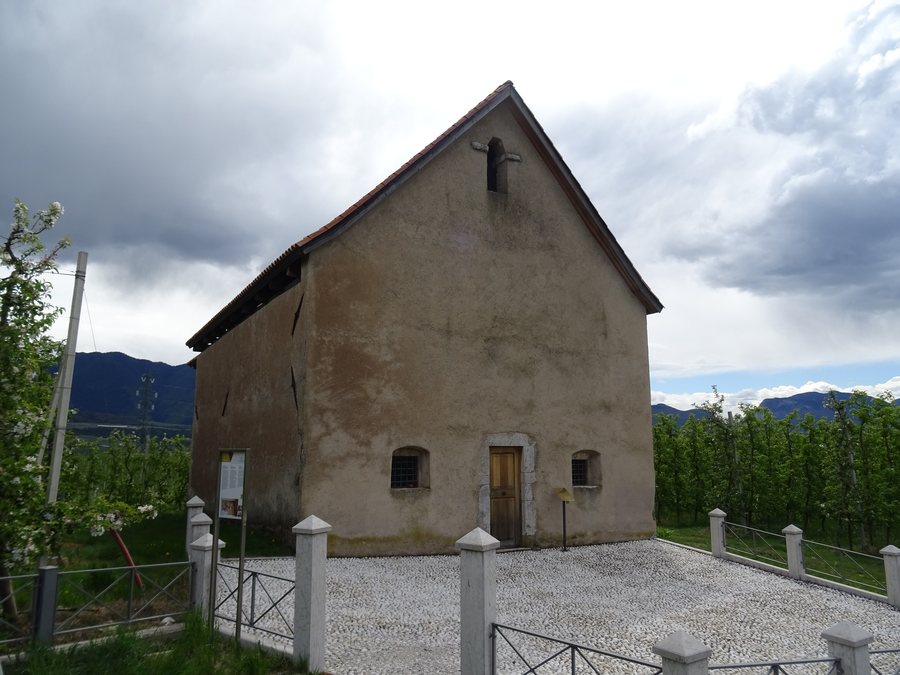 File:Nanno, chiesa dei Santi Fabiano e Sebastiano 01.jpg
Photo: Syrio via Wikimedia Commons, CC BY-SA 4.0
File:Nanno, chiesa dei Santi Fabiano e Sebastiano 01.jpg
Photo: Syrio via Wikimedia Commons, CC BY-SA 4.0
Nanno lies in the center of Val di Non, between the gorges of the Noce and Tresenga mountain streams. The first inhabitants of Nanno can be traced back to the Neolithic period. If you are looking for a holiday apartment in Nanno, you will discover a place where archaeological traces, Renaissance architecture, traditional rural buildings and walking trails shape a variety of holiday experiences.
Holiday apartment in Nanno amid local history and the Renaissance
Numerous archaeological finds have been discovered in the area of Castrum Anagnis, which is identified with Nanno, including coins, fibulae and arrows. The history of the village therefore reaches far back in time. In the mid-16th century, the Madruzzo family transformed Castel Nanno from a fortification into a square Renaissance summer residence with a central keep and four corner turrets along the surrounding wall. Castel Nanno is also associated with legends about witches and tragic love stories.
Churches, Palazzo and traditional architecture
In the center of Nanno, the Church of San Biagio was built in the 1950s. The church houses a remarkable and controversial Way of the Cross; San Biagio also has a historic bell tower. The Palazzo de Giuliani, a Baroque-influenced building, also stands in the village center. The Church of San Fabiano and San Sebastiano was built in the 13th century as a votive offering connected with protecting the villagers from epidemics. Together, these buildings reveal different religious, representative and historical facets of the village.
Nanno's traditional rural buildings include houses, farmsteads and stone arches, which are considered typical examples of traditional rural architecture. Many of the houses have since been renovated. Agriculture in Nanno also developed from livestock farming and viticulture toward apple cultivation. Thus, alongside the churches, the Palazzo and Castel Nanno, rural building forms and the development of agriculture also emerge as tangible themes for exploring the village.
Walks, Quattro Ville and natural surroundings
There are opportunities for walks in the Nanno area through the valley and among the orchards. Nanno is one of the Quattro Ville, a group of four neighboring villages, and is located near Adamello-Brenta Nature Park. This combination appeals to different interests: you can focus on the history of the village, choose trails through the valley or take in the landscape around the orchards. Information about bus connections to and from Nanno is available from Trentino Trasporti.
Sightseeing and trip planning
In 2026, Castel Nanno was open for self-guided visits on Sundays from 10:00 a.m. to 5:00 p.m., from April 5 to November 1, 2026. When planning your trip, you can focus on cultural and historical discoveries in Nanno, walks through the valley and orchards, and the development of agriculture from viticulture to apple cultivation.
Other places for orientation
For further orientation, you can also visit Piazzola, Prè Di Ledro, Massimeno, Tregiovo, Sarnonico, Castello-Molina Di Fiemme, Marcena and Croviana.
For the higher-level travel overview: Trentino.
Check prices, availability and amenities for your travel dates directly on Booking.com.
View accommodations and offersAdvertisement · Affiliate link to Booking.com
