
Caluso among Erbaluce Vineyards and Medieval Traces
Accommodation in Caluso
Caluso combines a wine-growing landscape, local history and tangible discoveries to create a diverse destination. Wine has been cultivated here since ancient times, particularly the Erbaluce grape variety. This wine production is regarded as the most important and prestigious resource of local agriculture. When choosing your holiday apartment, if you consider not only where you will stay but also the themes of your trip, Caluso offers opportunities for active days, culture and regional culinary experiences.
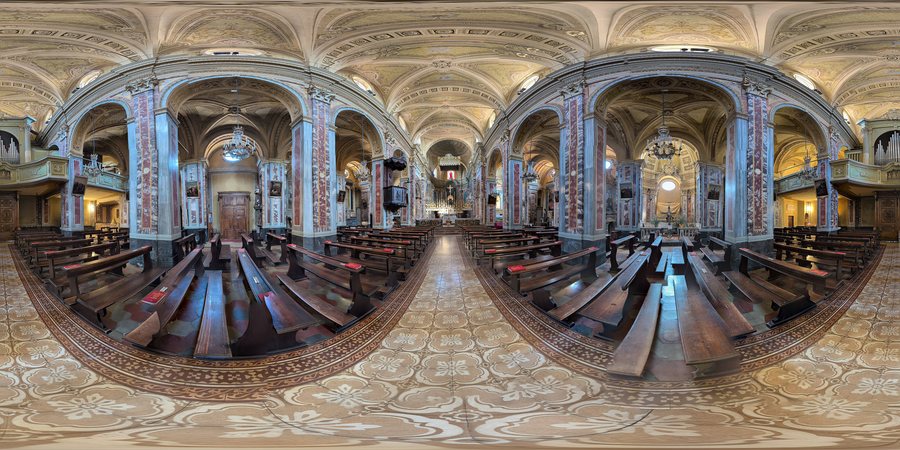 File:Chiesa della Madonna delle Grazie (Caluso).jpg
Photo: Ivanbranco via Wikimedia Commons, CC BY-SA 4.0
File:Chiesa della Madonna delle Grazie (Caluso).jpg
Photo: Ivanbranco via Wikimedia Commons, CC BY-SA 4.0
Wine Landscape and the Route to Lago di Candia
Section 02 of the Sentiero delle Pietre Bianche from Caluso to Lago di Candia begins on Via San Clemente, behind the Castellazzo hill. The section passes through Erbaluce vineyards. In this way, the route combines two characteristic facets of Caluso: the wine-growing landscape and an exploration in the direction of Lago di Candia. The moraine soil, geographical location and favorable climate of Caluso make it possible to cultivate the Erbaluce grape variety.
Castellazzo, the Town Center and Historic Buildings
Castellazzo, also known as Rocca di Caluso, was built in the 12th century and reduced to ruins by the Spanish from the mid-16th century onward. At the foot of Castellazzo stand the ruins of the Chiesa di San Calocero; this was the site of the old fortified town center. Another link to the medieval history of the town is Porta Crealis. It is one of the surviving gates of Caluso’s medieval town center, dates from the 12th century and was restored in the 13th and 14th centuries.
In Caluso’s old district, Palazzo Valperga di Masino was built as the residence of the lords of Caluso. Its outer portico facing the piazza and its inner portico facing the courtyard were built in the second half of the 13th century by the Counts of Biandrate, the lords of Caluso. Thus, the townscape brings together ruins and preserved gate structures as well as a palace with clearly documented architectural connections.
Churches from Different Periods
Several churches add to the historic character. The Convento dei Frati Francescani Minori was begun around 1640 and completed in 1646. The Chiesa di Santa Marta was built between 1726 and 1732 at the joint request of the Corpus Domini brotherhood and the Disciplinants of Santa Marta. It was associated with an annual Via Crucis procession, which continued until around 1870 and then fell out of use.
The Chiesa di San Giovanni Decollato was built from 1709 onward and completed in 1713. It houses two large paintings by the artist Giovan Battista Giani, who was from Caluso. The parish church in Caluso also has distinctive architectural features: construction began in April 1522, and it includes a large 18th-century bell tower and a cloister.
Taste Erbaluce and Experience Caluso
The Enoteca Regionale dei Vini della Provincia di Torino offers tastings of regional wines, including Erbaluce di Caluso. The tasting visit takes place in restored 17th-century cellars and includes the Sala Rossa and themed exhibition areas dedicated to wine. The Festa dell’Uva Erbaluce celebrates Caluso’s wine-growing tradition and wine production. At its center are the indigenous Erbaluce di Caluso grape variety and the wines Caluso Passito, Caluso Spumante and Erbaluce di Caluso. The Festa takes place regularly around the third Sunday in September.
A Holiday Apartment in Caluso to Suit Your Interests
When planning your trip, your preferred focus can be the deciding factor: the Sentiero delle Pietre Bianche appeals to those exploring the landscape, Castellazzo, Porta Crealis and the churches represent local history, while the Enoteca and Festa showcase the wine tradition. This allows you to deliberately choose a holiday apartment or holiday home in Caluso as a base for the mix of themes that suits your trip, without reducing the destination to just one aspect.
More Places to Discover
Sangano, Rivalba, Palazzo Canavese, Cambiano, Pomaretto, San Giorgio Canavese, Carella and Sparone
For the overarching travel overview: Turin.

.jpg)