
Holiday apartment in Bussoleno: history, nature and hiking trails
Accommodation in Bussoleno
Bussoleno reveals its history through its buildings and paths. Casa Aschieri is a bourgeois merchant house from the late 14th century that stood along the Via Francigena. Its elevated terrace, supported by stone columns, formerly served as a marketplace. The city wall, La Cinta Muraria, encloses the ancient village on the right bank of the Dora Riparia and was built in the second half of the 14th century. The Via Francigena and the Dora Riparia place these landmarks within the history of the town. Bussoleno’s former commercial function and medieval fortification thus emerge as two distinct aspects of its history.
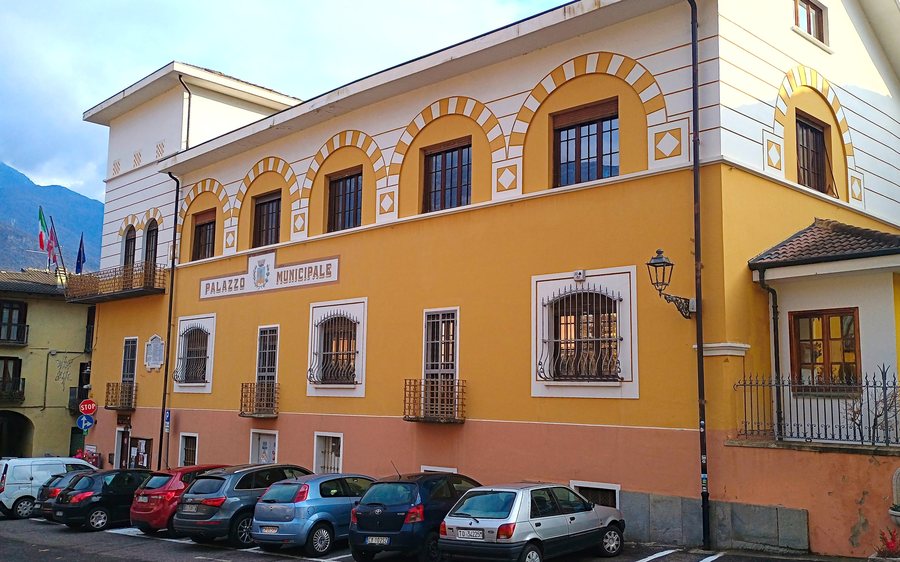
Historic buildings and local traces
Bussoleno’s historic center includes the Porta di Francia. Casa Amprimo is a typical medieval building with a ground-floor portico supported by masonry columns. The Mulino building on Piazza del Mulino houses a museum whose exhibition is organized around the four elements of water, wood, stone and grain. The Mulino Varesio has two millstones for producing flour.
Nature and landscapes around Bussoleno
The landscape also has clearly recognizable features. The Orrido di Foresto was designated a nature reserve in 1998, primarily to protect the prickly juniper (Juniperus oxycedrus). The nature reserve covers 197 hectares across the municipalities of Bussoleno and Susa. In Bussoleno’s vineyard landscape, stone posts made from quarrying remnants are used to support the vines. The protection of the prickly juniper thus exists alongside a landscape extending across Bussoleno and Susa.
Hiking trails, rock faces and borgate
The Borgata Richettera contains former sites for the production of stone, lime and sand. These include a small quarry, a lime kiln and artificial caves. One stage of the regional hiking network for hiking heritage leads from Bussoleno railway station to Borgata Argiassera-Richettera. The stage includes climbing areas near distinctive rock faces that are now used for sport climbing. For planning a day trip, the former production sites and present-day sport climbing can be considered separate points of interest.
Travel interests in Bussoleno
For those interested in culture, Casa Aschieri, La Cinta Muraria and the Mulino are located in the center; Borgata Richettera combines former production sites with the stage and the climbing areas.
Travel orientation for the Via Francigena
The stages of the Via Francigena in the valley floor are served in most municipalities by railway stations on the SFM3 Torino–Bardonecchia line. These stops include Bussoleno, Bruzolo, Borgone Susa and Condove. If you would like to coordinate your accommodation and daily planning with different sections of the route, this railway line is a practical part of the regional orientation.
Other travel destinations: Ala Di Stura, Stazione, Beinasco, Rivarolo Canavese, Roure, Sparone, Piamprato, Castagnole Piemonte
For the higher-level travel overview: Turin.

