
Holiday apartment in Sostegno between wine tradition and hilly landscapes
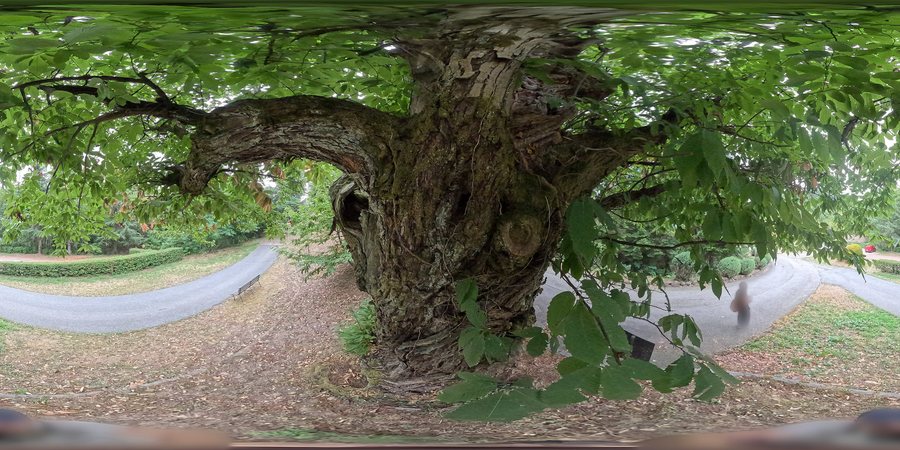 File:Castagno monumentale di Sostegno 01.jpg
Photo: Ivan Ruggiero via Wikimedia Commons, CC BY-SA 4.0
File:Castagno monumentale di Sostegno 01.jpg
Photo: Ivan Ruggiero via Wikimedia Commons, CC BY-SA 4.0
Sostegno is a place to choose a holiday apartment in Sostegno if you would like to combine nature observation, local history and wine tradition. Sostegno lies in an amphitheatre formed by volcanic hills; the hills reach elevations between 500 and 700 metres. This landscape is complemented by a distinctive cultural profile. Accommodation in Sostegno can therefore be part of a stay that focuses on culture, trails or Bramaterra, depending on your interests. When choosing a holiday apartment, it is essential to consider which of these aspects you would particularly like to pursue during your holiday.
Volcanic hills and the Grotta di Bercovei
North of Sostegno, the Grotta di Bercovei extends for approximately 150 metres through limestone and ends at a lake that exists year-round. Between 1992 and 1994, a study of the cave insects recorded 60 different species; 48 of them were reported for the first time, while 12 were already known. Thus, the natural interest extends from the volcanic hills to the cave’s special habitats. The Grotta di Bercovei adds a geological and natural-science focus to the landscape.
Frescoes, churches and medieval traces
The Oratory of San Giacomo was built along the medieval road to Santiago de Compostela. It preserves a fresco cycle with scenes from the life of Christ, dated approximately to the mid-15th century. The parish church of San Lorenzo uses the old castle tower as its bell tower; today, the tower is a national monument. The co-parish church of S.S. Trinità preserves on its exterior a valuable, still Gothic-looking fresco of the Deposition of Christ from the late 15th century. Sant’Emiliano was built in the early Middle Ages on the ruins of a Roman temple on the eponymous hill, which is 728 metres high. Several houses in Sostegno’s historic centre bear frescoes from the 15th to the 17th century, created by artists of the Piedmontese school. In this way, Sostegno’s churches, towers and houses bring together several historical periods.
Bramaterra between museum and wine tradition
Bramaterra DOC is produced in seven municipalities, including Sostegno: Roasio, Lozzolo, Sostegno, Villa del Bosco, Masserano, Curino and Brusnengo. The Museo del Bramaterra documents the local winemaking traditions of these seven producing municipalities. It displays historic winemaking equipment, including a wine press, grape crushers, vats, oak barrels, demijohns and a manual bottling machine. The Museo del Bramaterra is located in the Casa del Bosco hamlet on the central Piazza Santa Caterina; there is parking for cars and step-free access to the ground floor. The museum is part of the Rete Museale Biellese. Sunday openings are planned for the summer season in cooperation with the Rete Museale Biellese.
Trails with different starting points
Trail EVCA708 is connected to the route from Casa del Bosco to Cima Frascehia. The Anello di Sant'Emiliano da Sostegno circular trail is 8.50 kilometres long and starts in Sostegno, from where it leads to the Santuario di Sant’Emiliano. The Sant'Emiliano trail is connected to trail 709 Bornate–Sostegno. The different trail connections and the length of the circular route provide a concrete basis for planning your stay between local history, wine and outdoor activity. A holiday apartment in Sostegno can be adapted to your preferred daily rhythm, without requiring you to commit to just one way of exploring the area.
Discover other places
Caprile, Netro, Cavaglià, Pollone, Castellengo, Solesio, Vigliano Biellese, Romagnano
For the higher-level travel overview: Biella.
Check prices, availability and facilities for your travel dates directly on Booking.com.
View accommodation and offersAdvertisement · Partner link to Booking.com
