
Discover Crevacuore: Hiking Trails and Culture
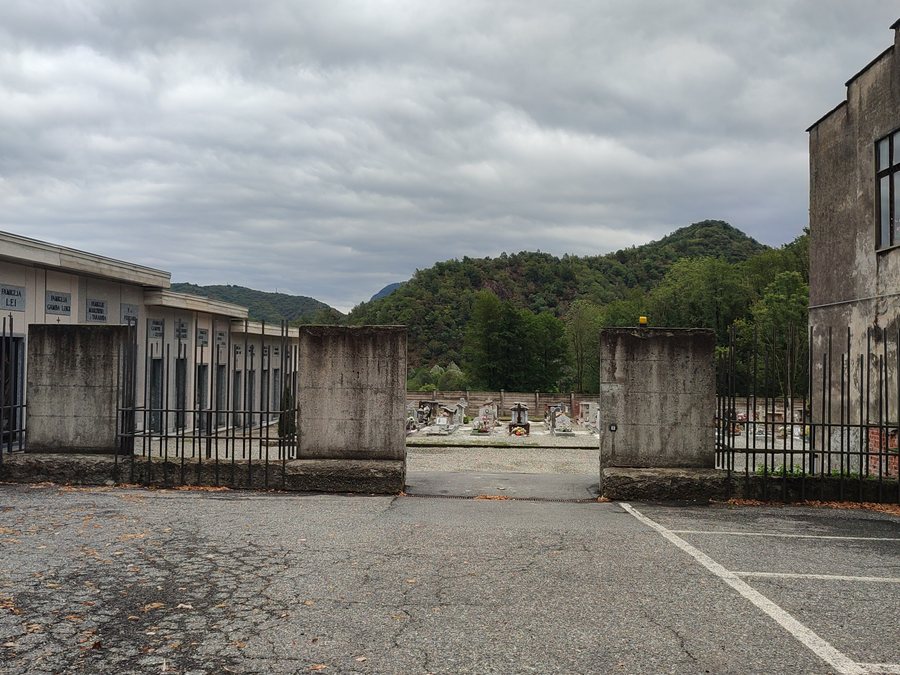
Crevacuore combines dramatic landscapes with an unusually rich cultural history. Hiking trails lead to distinctive places, while chapels, oratories and traditional customs offer insights into the local past. Added to this are Canestrelli, a regional speciality that also links the town culinarily with Piedmont. Those looking for a holiday apartment in Crevacuore will therefore find a variety of ways to enjoy active, cultural and indulgent days away.
Hiking trails between forest and mountain ridge
A particularly striking experience is the Crevacuore–Coggiola stage of the GTB. It begins in Crevacuore, is 14.4 kilometres long, takes eight hours and is classified as hiking difficulty. Another GTB stage starting from Crevacuore follows an old route along the former municipal road to Ailoche. It passes through dense forests on the ridge of Colle Ramelle. From Crevacuore, numerous hiking trails also lead to distinctive places, including Monte Barone.
A second perspective on the surrounding area
The area can also be explored from a different perspective by mountain bike. The Vallesessera MTB route passes through Crevacuore and the hamlet of Azoglio before continuing towards Sostegno. The different route details help you plan the focus of your trip more effectively: a holiday apartment is particularly suitable as a base if you want to combine hiking and cycling with cultural discoveries.
Oratories, chapels and medieval traces
The Oratory of Santa Marta and San Bernardino is housed in a present-day building dating from the 17th century. The Oratory of San Gregorio, also known as Madonna della Serra, features structural elements from the 13th century and was the original parish seat of Crevacuore. On the main square, the town preserves medieval terracotta decorations. The Chapel of Madonna della Neve in Crevacuore contains 15th-century frescoes; the depiction of the Madonna is considered a Madonna del Latte.
Madonna della Fontana and living traditions
According to tradition, the Madonna della Fontana sanctuary dates back to an apparition of the Virgin Mary on 8 September 1334. Since the 17th century, there has been documented evidence of the custom of bathing in the water flowing from the spring. In 1836, the water used for the bathing was permanently diverted to an outdoor fountain in the forecourt of the sanctuary. These details make the site interesting for travellers who wish to consciously incorporate sacred history and local traditions into their excursions.
Frescoes, mining history and carnival
The former Church of Saints Fabiano and Sebastiano contains well-preserved 18th-century frescoes. Johan Tanisch created the dome between 1736 and 1740, while Antonio Orgiazzi completed the frescoes in 1746. Historically, Crevacuore was a collection centre for local extraction activities, mainly in iron and silver mines. Vettu and Berta, the two typical masks of the Crevacuore carnival, are part of the town's own traditions.
A regional speciality for enjoyable breaks
Crevacuore lies within the production area of Canestrelli. Canestrello is classified as a traditional agri-food product of the Piedmont region. Those who value a trip with a taste of the region when choosing a holiday apartment can complement their hiking and cultural experiences with a Piedmontese speciality.
For further orientation, you can also discover Cerrione, Salussola, Sala Biellese, Torrazzo, Graglia, Castellengo, Candelo and Vivaro.
For the overarching travel overview: Biella.
Check prices, availability and amenities for your travel dates directly on Booking.com.
View accommodation and offersAdvertisement · Affiliate link to Booking.com
