
Holiday apartment in Carbonara Scrivia – Hiking landscapes, churches and tastings
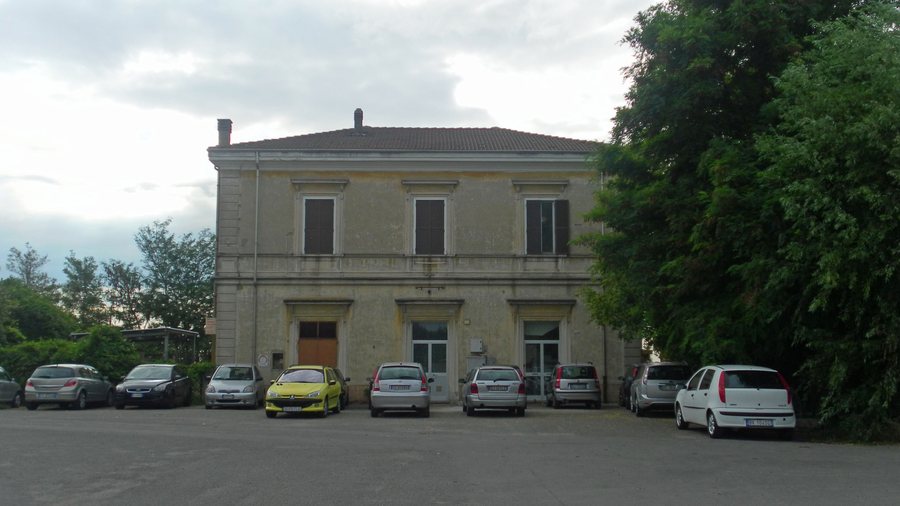
Carbonara Scrivia combines the landscape along the Scrivia with historic buildings, a distinctive hiking route and regional culinary delights. If you are looking for a holiday apartment in Carbonara Scrivia for your trip, you will find specific starting points here for different kinds of holiday days: open paths through fields and vineyards, traces of local church history, distinctive towers and a tasting culture centred around salumi, typical products and wine.
Between the Scrivia and open countryside
The area of Carbonara Scrivia lies on the right bank of the Scrivia River. From the banks of the Scrivia, the terrain gradually rises in a characteristic terracing and has very good drainage. Carbonara Scrivia has gravelly soils typical of riverbeds, with very good drainage. These soils favour the growth of certain crops typical of the area and give the landscape a clear connection to its natural foundation.
A hiking route begins in Carbonara Scrivia, follows farm tracks around Spineto Scrivia, climbs to the ridge between the Scrivia and the Ossona, and continues along the E1 European long-distance path to Montale Celli, a hamlet of Costa Vescovato. The route described passes through completely open countryside with meadows, maize fields, alfalfa and vineyards. For your planning, this means that you can combine an active day along this route with views of a spacious, agriculturally characterised environment.
Churches, towers and historic traces
The present-day Church of San Martino was built in 1780 on the site of its predecessor. A precious wooden polyptych dated 1495 has survived from the former Church of San Martino. An earlier Church of San Martino stood outside the town at a place that is still called S. Martino today. The façade of the Church of San Martino was renovated in 1972. Thus, the name San Martino brings together several specific traces from different periods, without confusing the present-day building with its predecessors.
The Dongione of Carbonara Scrivia also shapes the town’s historic character: it is a castle tower notable for its rare typology. The Rocca of Carbonara Scrivia is thought to date from the 14th century or the early years of the 15th century. Together with the Church of San Martino, these buildings provide access to different historical periods and make Carbonara Scrivia interesting for visitors who want to combine landscape and history in the same destination.
Wine, salumi and typical products
At Cascina Giambolino, Via Giambolino 3, 15050 Carbonara Scrivia, wine tastings with salumi and typical regional products can be booked. Cascina Giambolino offers Salame Nobile del Giarolo in versions with a maturation period of 1 month, 3 to 4 months and up to 12 months. Cascina Giambolino also offers a basic tasting and a gastronomic tasting. This gives your travel planning a culinary focus that brings together specific regional products and different tasting formats.
Carbonara Scrivia therefore offers several ways to shape your stay: you can focus on the hiking route and the open river landscape, explore historic buildings or plan a wine tasting with regional specialities. When choosing a holiday apartment in Carbonara Scrivia, it is worth prioritising these interests early on. This allows you to choose a place whose verifiable characteristics suit your preferred travel rhythm, without attributing unsubstantiated features to the accommodation itself.
Check prices, availability and amenities for your travel dates directly on Booking.com.
View accommodation and offersAdvertisement · Affiliate link to Booking.comFurther destinations for your travel planning
For your further travel planning, you can also view Montecastello, Castelnuovo Bormida, Lu, Vignale Monferrato, Tagliolo Monferrato, Sala Monferrato, Carpeneto and San Salvatore Monferrato .
For the overview of the wider area: Alessandria.

