
Discover Corridonia: Art, History and Special Places
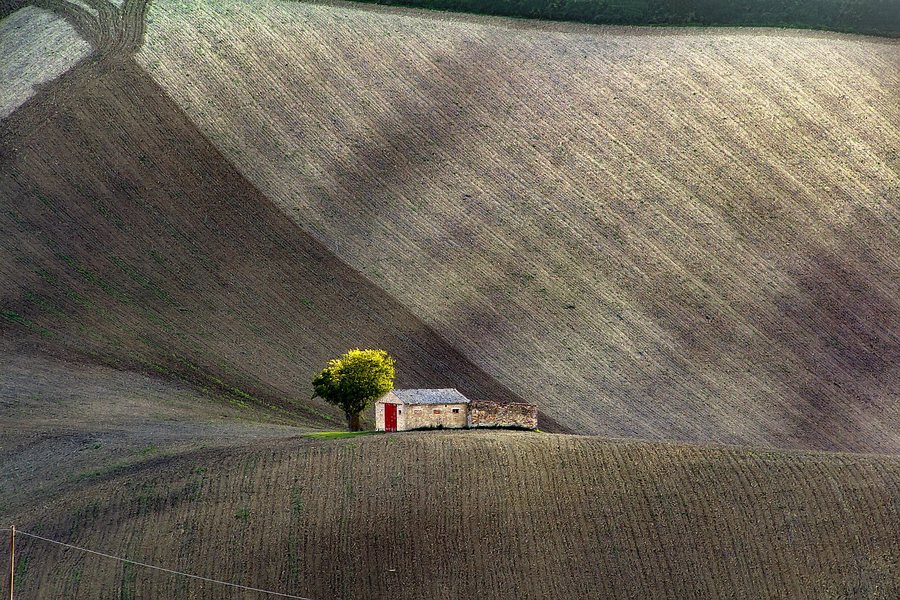 File:Corridonia - contrada Perella (48936850102).jpg
Photo: Enrico Pighetti from Civitanova Marche, Italia via Wikimedia Commons, CC BY 2.0
File:Corridonia - contrada Perella (48936850102).jpg
Photo: Enrico Pighetti from Civitanova Marche, Italia via Wikimedia Commons, CC BY 2.0
Corridonia combines historic buildings, art and the local tradition of the Infiorata. The Route Maestria leads through workshops, churches, squares and local businesses.
Art and Culture in Corridonia
One of the most distinctive destinations is Piazza Filippo Corridoni, a rare example of Rationalist architecture in the Marche region. The Pinacoteca Comunale displays a collection of figurative art from the 15th to the 19th century. Most of the works come from local churches that were secularized after Italian unification. The period from the 15th to the 19th century encompasses several eras of figurative art. The Abbazia di San Claudio is located in the Chienti Valley.
The Casa Natale di Filippo Corridoni is the house where Filippo Corridoni was born on August 19, 1887. Today, it houses the museum dedicated to him. A local tradition is the Infiorata di Corridonia: it takes place every year in June along a 2,000-meter-long route decorated with flowers, leaves and other plant materials. Those planning to attend the Infiorata can take the 2,000 meters into account as the spatial setting for their visit.
Churches, Gates and Rural Heritage
On a hill, 300 meters from the center of Corridonia, stand the former monastery of the Frati minori dell’Osservanza, known as the Zoccolanti, and the adjoining church of Madonna dei Monti. The Zoccolanti complex includes a 16th-century cloister and church and was built in 1510. Santa Maria del Paradiso was built in 1480 on the site of an older devotional image.
The city gates date from different periods. Porta San Donato dates from 1252 and combines a pointed arch with Baroque elements from the 17th century. The present monumental structure of Porta Romana was built in 1790 to a design by Giuseppe Valadier. Porta Trento was completely rebuilt in 1811 by the architect Antonio Mollari. The gates thus mark three dated milestones in the city’s history: 1252, 1790 and 1811. The atterrato di Via Zegalara is considered a preserved example of a bioecological rural dwelling and a testimony to the history of peasant civilization; at the same time, it is the only example in Corridonia of this local rural house typology.
The Chiesa di San Claudio al Chienti preserves several Roman finds discovered in the surrounding archaeological area. The area is also home to the Museo Tipologico del Presepe, Palazzo Compagnoni Marefoschi, the Museum of Natural History, the Museo della Carrozza and the Giardini Diaz gardens. The range extends from nativity scenes, natural history and carriages to a palace and a garden complex. In the wider regional area are the beaches of Spiaggia di Fontespina and Spiaggia di Portocivitanova, as well as Acquarium - Porto S. Elpidio, a zoo.
More places to include in your travel plans: Serravalle Di Chienti, Alfi, Bolognola, Treia, Loro Piceno, Pievebovigliana, Nemi and Serrapetrona.
To the higher-level travel overview: Macerata.
Check prices, availability and amenities for your travel dates directly on Booking.com.
View accommodations and offersAdvertisement · Affiliate link to Booking.com
.jpg)