
Salgótarján: Basalt, Earth History and Mining
Accommodation in Salgótarján
Salgótarján is a destination for travellers who want to explore earth history and mining from different perspectives. A locally protected natural area with volcanic basalt, interactive geological displays, a trail along the route of a former stone-transport railway and accessible mine areas each offer a distinct focus. You can shape your trip around a particular theme: nature and rock, former transport routes or mining methods.
Basalt and Geology
The visitor centre’s park includes the locally protected natural area with the volcanic basalt rock formation Baglyaskő. The Geocsodák Háza, in the Novohrad-Nógrád Geopark visitor centre, complements this perspective with interactive displays and lectures on geology and earth history. The two offer different approaches: Baglyaskő focuses on a specific basalt rock formation in a protected natural area, while the Geocsodák Háza focuses on presenting geological topics. Check the visitor centre’s current opening arrangements before your trip.
A Trail Along a Historic Route
The Petőfi sétány is marked in yellow, passes the Eresztvényi Látogatóközpont and follows the route of the former narrow-gauge stone-transport railway. It offers a distinctive link between a walking trail and industrial history: today’s route follows a railway line that was used to transport stone. If you want to combine a walk with the history of technology, this offers a different experience from an exhibition. Check local trail conditions before setting out.
Mining and Arrival
At the Bányászati Kiállítóhely, visitors can walk through accessible mine areas and learn about various mining methods—from pickaxe work, drilling and blasting to longwall mining with a shearer. The exhibition thus explores a range of different methods. While the displays at the Geocsodák Háza cover geology and earth history, this site focuses on mining and its methods.
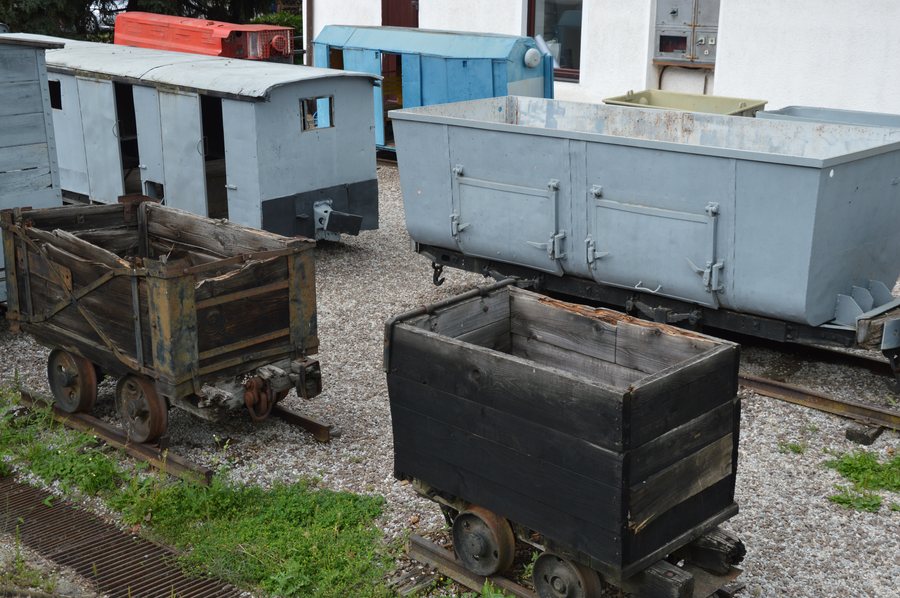
There is also a specific point of reference for arriving in the area: an open-air exhibition is located behind the stairs at the southern exit of Salgótarján (Főtéri) railway station. If you arrive by train, you can factor this location into your plans. Check the station layout before your trip.
Salgó Castle Nearby
As a historical addition, Salgó Castle lies nearby, northeast of Salgótarján. It was built in the late 13th or early 14th century. This adds a medieval landmark to the geological and industrial themes—a different focus for travellers interested in the history of castles as well as nature and technology.
More Highlights in the Wider Destination of Neuburg
Other places in the wider destination of Neuburg offer their own cultural highlights. The old village of Hollókő is a Palóc settlement in Nógrád County in northern Hungary and a deliberately preserved, living example of rural life before the 20th-century agricultural revolution. The Pásztó Museum presents permanent and temporary exhibitions in a Baroque Cistercian monastery building rebuilt in 1717–1718. The museum presents a medieval glassworks and blacksmith’s workshop as an open-air exhibition; this industrial heritage site is considered unique in Hungary. The region’s cultural themes thus differ from Salgótarján’s focus on geology and mining.
When looking for a holiday apartment in Salgótarján, consider whether the combination of nature, earth history and mining suits your stay. Nearby Salgó Castle adds a historical highlight to this theme, while other cultural sites are part of the wider destination of Neuburg.
Discover More Destinations
Discover more destinations: Cered, Ipolytarnóc, Somoskőújfalu, Egyházasgerge, Bárna, Karancsalja.
Back to the main travel overview: Salgótarjáni.

