
Ipolytarnóc: Fossils and Geological Traces
Accommodation in Ipolytarnóc
Ipolytarnóc and its immediate surroundings turn the spotlight on Earth’s history: fossils, geological and biological nature trails, and an exhibition on the history of research each offer a different focus. You can plan your stay according to whether you would rather explore rock outcrops, discover animal and plant traces, or learn about the history of the excavations.
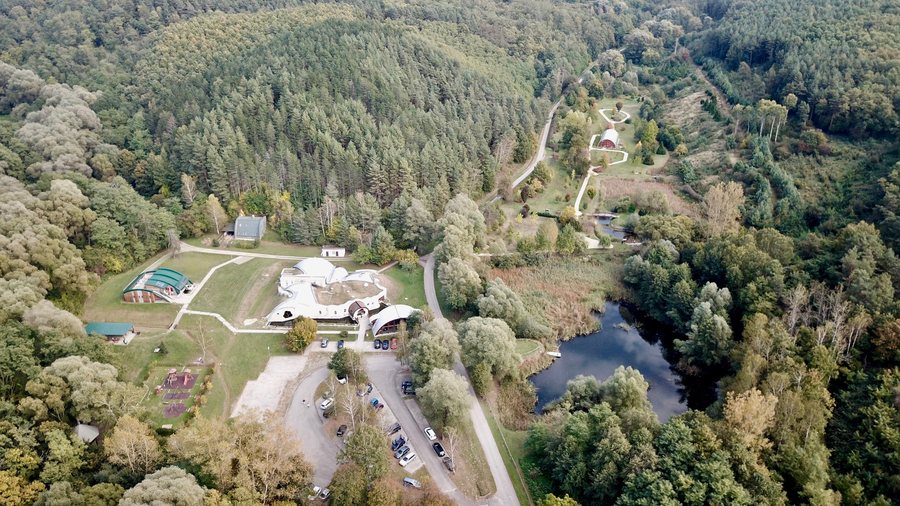
Fossils and Traces of a Prehistoric Landscape
The Ipolytarnóc Fossils Nature Reserve is located near Ipolytarnóc. Among the area’s most important fossils are shark teeth, petrified trees, leaf impressions and traces of prehistoric animals. The finds therefore include both fossilised plants and evidence of animals from the past.
A special specimen is housed in a protective shelter: a 46-metre-long petrified tree trunk of the species Pinuxylon tarnocziense. Ferenc Kubinyi discovered it in 1838. A protective building also displays the fossilised surface of a Miocene riverside watering and crossing area. It bears footprints of even-toed ungulates, predators, prehistoric rhinoceroses and birds.
The nature reserve received the European Diploma in 1995. Other options for visitors in the protected area include the Miocene Forest, the rock park, Kőszikla and picnic areas.
Nature Trails with Different Access Conditions
The 800-metre-long Borókás-árok geological nature trail runs through the nature reserve. It provides insights into geology and palaeontology. During opening hours, the trail is accessible for an entrance fee and with a guide. Under expert guidance, groups can examine outcrops of glauconitic sandstone formed 24 million years ago, as well as the contact zone with the volcanic rock above it. Check the latest visitor information before your trip.
The biological nature trail starts at the ticket office of the nature reserve and visitor centre, beside the Kutatóház. It is six kilometres long in total. Its subject is the plant and animal life of remnant stands of former oak and hornbeam forests, as well as pastures that emerged after the forests were cleared. The first shared, steeply rising section of the two adjoining trails is 500 metres long and the most difficult part.
Another option is the freely accessible 700-metre-long Kőzetpark. For comparison, Kőzetpark is 100 metres shorter than the 800-metre-long Borókás-árok; the biological nature trail is six kilometres long. Access also differs: the described visit to Borókás-árok includes an entrance fee and a guide, while Kőzetpark is freely accessible. Check the latest trail conditions for Kőzetpark before your trip.
Research History and Playground
The exhibition “Idősíkok találkozása – Az Ipolytarnóci Ősmaradványok múltja” explores the history of research in the area. It presents the excavations, which have continued from the 1830s to the present day, and complements the geological discoveries with their research history.
Next to the Lombkorona Café and Restaurant is a playground with activities for different age groups. Toddlers have a sandpit and a crawl tunnel. Spring riders, seesaws and swings, as well as a slide, are intended for kindergarten and primary school children. Older children can enjoy skill games and a fort. People weighing more than 60 kilograms are not allowed to use the playground.
When looking for a holiday rental in Ipolytarnóc, your planned activities can provide a practical guide. The trails differ in length and access; the exhibition and playground offer other ways to spend your stay.
Discover More Destinations
Discover more destinations: Karancsalja, Cered, Salgótarján, Bárna, Somoskőújfalu, Egyházasgerge.
Back to the main travel overview: Salgótarján.

