
Vanyarc: Church History, Folk Costumes and Geological History
Accommodation in Vanyarc
Vanyarc reveals itself through a variety of cultural and historical traces: the development of the Protestant congregation, a manor house of historical significance and literary connections to the village. There are also collections of folk costumes and finds from the Ice Age and Bronze Age. If you are looking for a holiday apartment, these themes can help you assess Vanyarc as a destination that suits your interests.
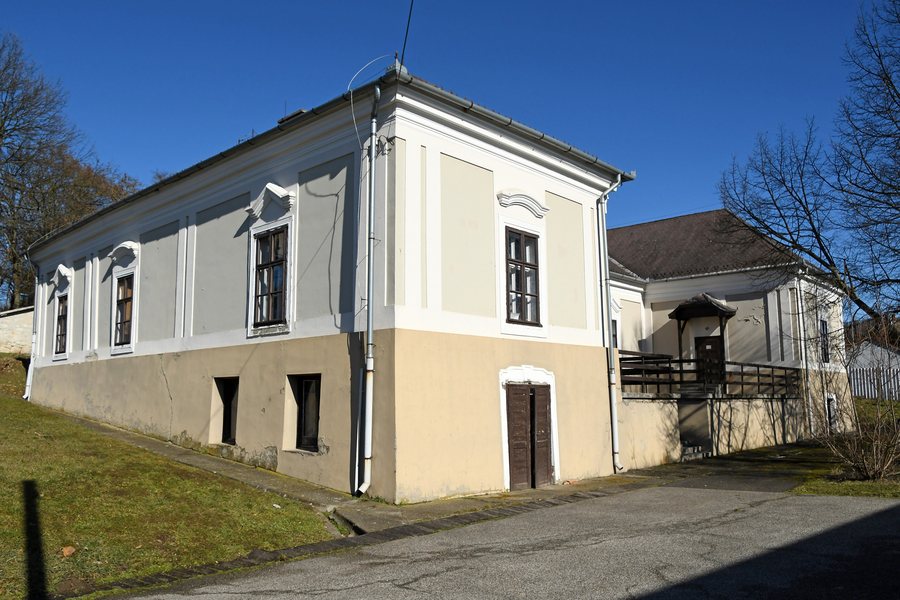 File:Vanyarc, Dessewfyy–Bánffy-kúria 2021 01.jpg
Photo: Pasztilla aka Attila Terbócs via Wikimedia Commons, CC BY-SA 4.0
Church history and historical connections to the village
In 1783, with the approval of Emperor Joseph II, the congregation in Vanyarc became an independent mother church. That same year, it elected Mihály Petyjan as its pastor. The church was built in 1799–1800: under Pastor István Benczúr, the Protestant congregation built a church. Two stages in the local church’s history can thus be distinguished—the congregation’s independence and, later, the construction of its church.
The manor house is also associated with a specific historical date. According to the inscription above the stone-framed cellar entrance, Draskótzi Ilgo Sándor had his family residence built in Vanyarc in 1763. In the mid-19th century, Veres Pálné Beniczky Hermin made the manor house known throughout the country. The Dessewffy-Bánffy kúria is privately owned; the so-called “Madách linden tree” stands in its garden.
Literary figures are also connected with the village, though not all in the same way: Madách Imre and his friend Szontágh Pál often visited Vanyarc. Mikszáth Kálmán was a guest of the Veres family on several occasions. Together with the history of the manor house, these details offer different perspectives on Vanyarc’s past, without associating the visits with any one building.
Folk costumes and geological finds
The Viselettörténeti Babamúzeum preserves miniature versions of Vanyarc’s folk costumes. It also documents festive clothing from nearly 100 years ago through old photographs and the accounts of older residents. This clothing is described as unique of its kind. The focus is therefore on both miniature costumes and traditional festive clothing, as well as the memories that help document it.
The Ősmaradvány- és kőzetkiállítás offers a different subject: it displays, among other things, finds from the Ice Age and Bronze Age. Its address is listed as Sziráki út 12, 2688 Vanyarc; check this before setting out. Comparing the costume museum with the geological exhibition highlights two clearly distinct areas of interest: cultural heritage on the one hand, and geological history on the other.
When looking for a holiday apartment, it may therefore be useful to decide first which subject interests you most. Are you particularly interested in church history and historical connections to the village, or are traditional costumes and geological finds more appealing? These themes make Vanyarc a more specific holiday destination, without assuming any particular type of accommodation or amenities.
Culture in the wider destination of Neuburg
Within the wider destination of Neuburg, Hollókő offers its own cultural and historical point of interest. The old village is a Palóc settlement in Nógrád County in northern Hungary and a deliberately preserved, living example of rural life before the 20th-century agrarian revolution. This regional perspective differs from Vanyarc’s local focus: here, subjects such as church history, the history of the manor house, folk costumes and geological finds take center stage.
If you would also like to consider the cultural character of the destination when choosing your holiday apartment, these different themes can help guide you. Vanyarc offers specific local points of interest, while Hollókő, within the wider destination of Neuburg, presents a distinct perspective on rural life and Palóc culture.
Discover more destinations
Discover more destinations: Felsõtold, Bér, Garáb, Alsótold, Szurdokpüspöki, Jobbágyi, Kozárd and Tar.
Back to the wider travel overview: Pásztói.

