
Vacation apartment in Pásztói
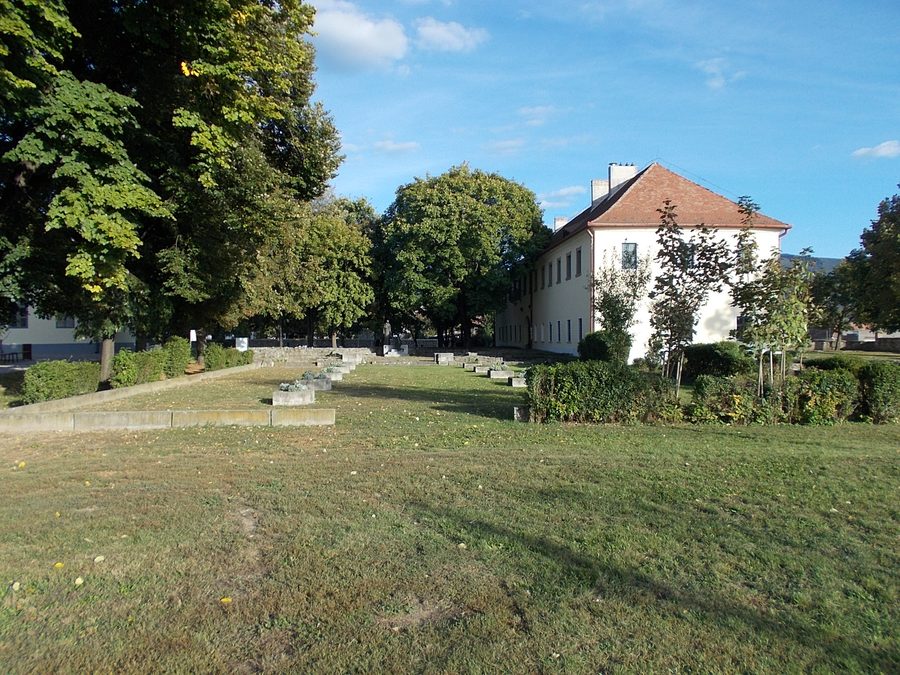 Pásztó Museum and garden of ruins at Museum Square.
Photo: Globetrotter19 via Wikimedia Commons, CC BY-SA 4.0
Pásztó Museum and garden of ruins at Museum Square.
Photo: Globetrotter19 via Wikimedia Commons, CC BY-SA 4.0
Pásztó combines the landscape of the Zagyva Valley with the town’s history. At the transition between Cserhát and Mátra, this creates a destination where you can combine nature excursions and historical discoveries in a single trip plan. When choosing a vacation apartment or holiday home, the first question is therefore whether your trip is shaped more by the landscape, the town’s history, or the deliberate alternation between the two.
Quick facts about Pásztói
- Pásztó lies in the Zagyva Valley at the transition between Cserhát and Mátra.
- The town is described as historically shaped and once an important trading place.
- The cultural focus includes the Pásztó Museum, religious buildings, a garden of ruins, and evidence of medieval craft culture.
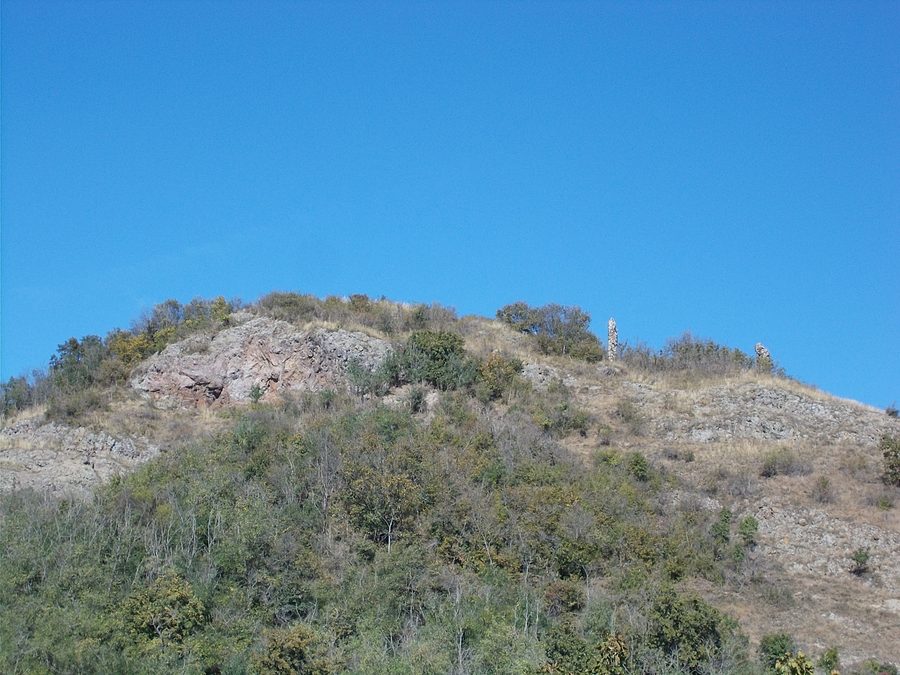
- In the district of Hasznos, the 333-meter Cserteri Castle Hill is mentioned.
Between hilly landscape and town history
The location at the transition between Cserhát and Mátra gives Pásztó its special setting: the surroundings are associated with nature excursions, while Pásztó itself is historically shaped. This means you can plan a trip that alternates between landscape and culture without limiting the stay to just one type of experience. No specific routes, distances, or difficulty levels are implied; the region can generally be understood as an area for a range of excursion interests.
The town’s history reaches back into a medieval past. Pásztó is described as an important former trading place. Anyone interested in regional history can therefore take this focus as a separate reason to get to know the subregion more closely.
Historic ensemble at Museum Square
Anyone who wants to experience regional history concentrated in one place will find several cultural stops around Museum Square. These include the Oskolamester House, St. Lawrence Church, the garden of ruins, and the Pásztó Museum. There are also references to a medieval glassworks and smithy. This allows a cultural day to be themed around the town’s history and historical craft culture, without assuming current opening hours, admission prices, or a fixed visiting program.
The ensemble is especially interesting if your trip is not meant to focus solely on nature excursions. The museum, church building, garden of ruins, and historical craft evidence give the stay a clear cultural emphasis.
A scenic accent in Hasznos
The described surroundings of Pásztó also include the district of Hasznos. There, the Cserteri Castle Hill is mentioned on a 333-meter cone. The castle hill thus forms another historical point of reference alongside the cultural ensemble around Museum Square. Together with the general natural character of Cserhát and Mátra, this creates a travel idea that combines local history with excursions into the hilly landscape.
Which base suits the travel plan?
For choosing accommodation, you can separate three questions: should the trip combine landscape and history, should Museum Square be the cultural focus, and should the accommodation be in Pásztó itself if precisely this historical local reference shapes the stay? The available evidence supports Pásztó as a historically shaped base for travelers who want to combine the town’s cultural focus with regional excursion planning. It does not, however, prove any specific advantage in mobility, supplies, or comfort over other places.
The exact location of your vacation apartment or holiday home should therefore match the goals you want to place at the center. For the linked places, you can open the respective pages for Alsótold, Bér, Buják, Felsõtold, Garáb, Jobbágyi, Kozárd, Palotás, Pásztó, Szirák, Szurdokpüspöki, Tar and Vanyarc. For a further regional selection, Neuburg is also linked.
Frequently asked questions about Pásztói
What makes Pásztó especially interesting as a travel destination?
Pásztó combines its location in the Zagyva Valley at the transition between Cserhát and Mátra with a historical character, cultural stops, and Cserteri Castle Hill in Hasznos.
Which cultural stops can be combined in Pásztó?
Around Museum Square, the Oskolamester House, St. Lawrence Church, the garden of ruins, the Pásztó Museum, and evidence of medieval glassmaking and smithing culture are mentioned.
Is there a scenic excursion point as well as cultural sights?
The surroundings of Mátra and Cserhát are generally associated with nature excursions. In addition, Cserteri Castle Hill is mentioned in the district of Hasznos.


