
Rosche: Cycling Route and Church History
Accommodation in Rosche
Rosche can be explored through three different themes: a stage stop on the Hanse-Wendland Cycle Route, the outdoor swimming pool, and the history of St. Johannis Church. The heated outdoor pool is currently closed. When the church was dedicated in 1862, the congregation received an organ as a gift. When choosing a holiday apartment in Rosche, you can first consider whether cycling or local history will play a bigger part in your stay; given its current status, you should not plan on using the pool at this time.
Outdoor Pool and Cycling Services
Rosche outdoor pool is an accessible family pool. It offers a constant water temperature of 26 °C all year round. There is also a bicycle repair station at the pool, available to use free of charge. Ask on site whether it is available before making it a firm part of your plans. This connects the swimming facilities with a practical cycling service at this location.
Rosche as a Stage Stop
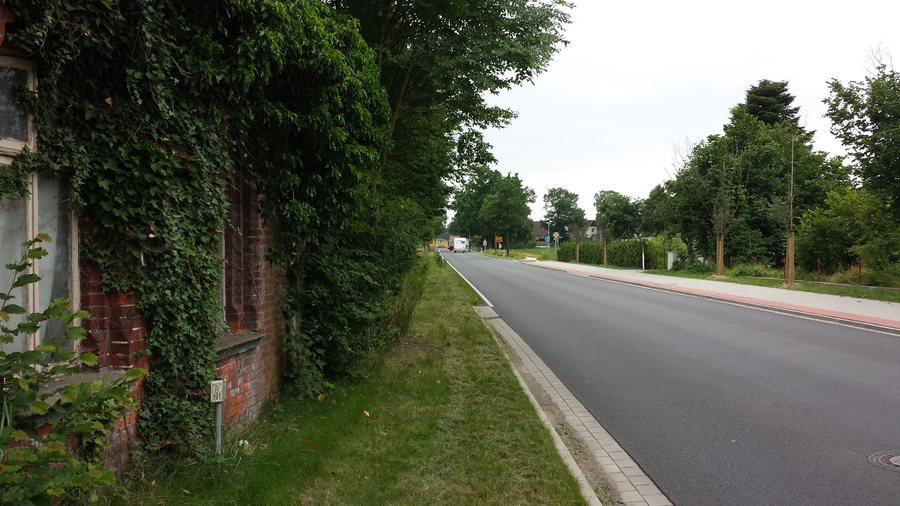
Rosche is a stage stop on the Hanse-Wendland Cycle Route, making it a specific reference point when planning a cycling trip. The stage information can help you consider the town as you explore the route. Route conditions and markings can change, so check both before setting out. This makes the cycle route a useful planning reference without specifying a particular length of stay.
An Organ Gift for the Dedication of St. Johannis
St. Johannis Church gives Rosche’s local history a tangible historical connection. In connection with its dedication by King George V of Hanover in 1862, the congregation received an organ as a gift from Harz organ builder Engelhardt. This account includes the occasion of the dedication, the gift to the congregation, and the organ builder’s name. Anyone interested in church history and craftsmanship will find a tangible point of interest here, distinct from Rosche’s role as a cycle route stage stop.
Culture and Landscape in the Wider Uelzen Destination
The wider Uelzen destination also has its own cultural and landscape connections. The Hundertwasser railway station was created in the city of Uelzen as a project for Expo 2000 in Hanover. It is one of the last works by Austrian architect Friedensreich Hundertwasser and brings together art, ecology, and modernity. The Way of Stones leads from the station forecourt into Uelzen city centre and features 21 artfully painted rock sculptures. The station and the route offer different perspectives on architecture and designed urban spaces.
The Ebstorf World Map is housed at Ebstorf Abbey. It was probably created around 1300, measures approximately 13 m², and is considered the largest known medieval map of the world. From 1 April to 31 October, the abbey offers guided tours lasting about 90 minutes, with explanations of the map. If you would like to include this tour in your travel plans, check the dates in advance. Its approximate duration and seasonal schedule provide a clear guide.
In Bodenteich, Bodenteich Castle offers another historical point of interest in the district of Uelzen. It was founded around 1250 and is the only castle in the district, although only partially preserved. It was restored between 1983 and 1988; today it houses the tourist information office, citizens’ office, and castle museum. Here, a medieval origin, later restoration, and present-day uses come together.
The Ellerndorfer Wacholderheide is a landscape feature in the wider Uelzen destination. It lies between Eimke and Ebstorf in the district of Uelzen, covers almost 60 ha, and is the largest continuous heathland area in the eastern Lüneburg Heath. The wider destination thus brings together different interests: cycling and church history in Rosche, architecture and sculptures in Uelzen, medieval history in Ebstorf and Bodenteich, and heathland between Eimke and Ebstorf.
Discover more destinations: Himbergen, Gerdau, Bad Bevensen, Eimke, Bienenbüttel, Emmendorf, Rätzlingen, Uelzen
Back to the main travel overview: Uelzen.

