
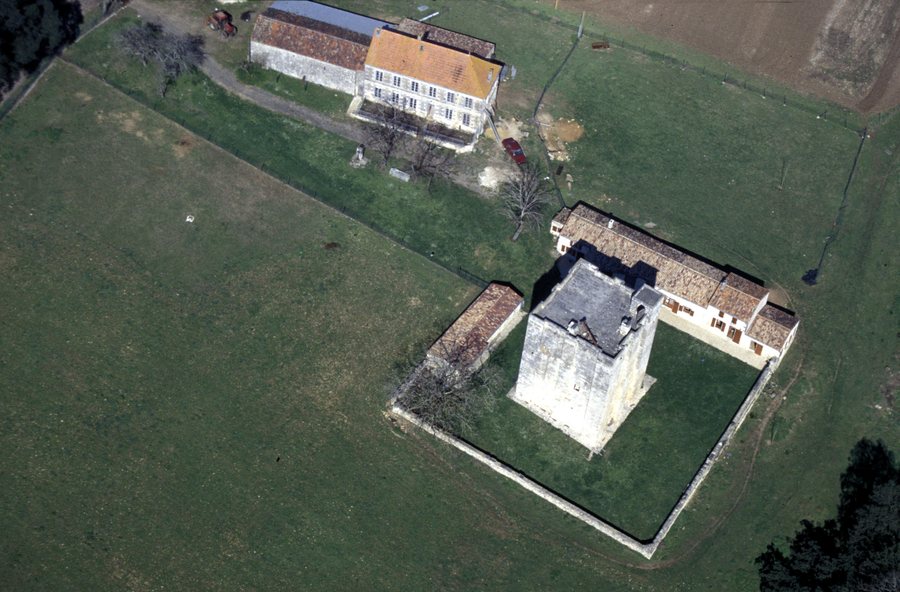
Exploring Saint-Sulpice-d'Arnoult, the Tour de l'Isleau and the Vallée de Bruant may inspire you to rent a holiday apartment.
Culture
The privately owned 18th-century Logis de Montfabien can be seen in Saint-Sulpice-d'Arnoult. The Église Saint-Sulpice also features distinctive architectural details: its Romanesque portal depicts lions holding small human figures under their paws. The church has a single-nave layout with four barrel-vaulted bays.
Vegetable growing has been practised in the Arnoult valley since the Middle Ages; it expanded in the 19th century.
Hiking
The “De l'Arnoult à l'Isleau” hike is 10 km long, begins in Saint-Sulpice-d'Arnoult and takes approximately two and a half hours. The hiking route crosses the Arnoult, follows the Vallée de l'Arnoult for about 700 m and then leads close to the Tour de l'Isleau. The GR 4 long-distance hiking trail also passes through Saint-Sulpice-d'Arnoult.
Landscape
The Vallée de Bruant preserves woodland and meadows characteristic of small calcareous valleys in the central Atlantic region. A total of 218 animal species are recorded for the Vallée de Bruant area.
Other places in the same higher-level area: Saint-Bonnet-sur-Gironde, Saint-Palais-Sur-Mer, Taugon, Landrais, Ile-D'aix, Tesson, Saint-Maurice-De-Tavernole, Saint-Sulpice-De-Royan.

