
The Church of Saint-Faustin-et-Saint-Jovite was completely restored after various alterations during the Wars of Religion in the 17th century. The first evidence of Christianity in Quissac dates back to the 9th century, when Benedictine monks from Gellone built a sanctuary on the edge of the Route des Ruthènes.
The mission cross was erected at the beginning of the 19th century and can be interpreted as a vertical representation of the Passion of Christ. The history of the former tanning industry is also visible in the town: the soaking vats of the former tanneries can still be seen in an alley behind a grille. Quissac once had as many as five tanneries.
The watering trough at the site of the washhouse is considerably older than the washhouse built by the municipality in 1849.
Nature
The banks of the Vidourle in Quissac are laid out for walks and discovering the local biodiversity. In addition, Quissac includes four areas of ecological, faunal and floristic interest.
Quissac's municipal swimming pool offers an area for leisure and relaxation, with pools suitable for all visitor groups.
Getting around
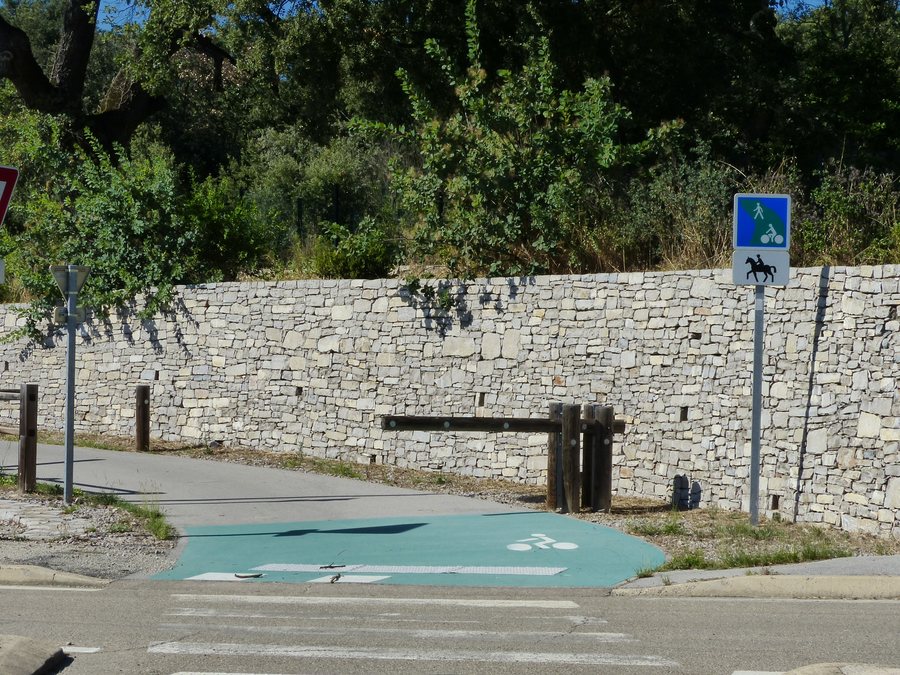
The Voie Verte – Quissac – Saint Hippolyte-du-Fort is a 16.3 km round trip starting in Quissac. It is intended for pedestrians, cyclists, skaters and people with reduced mobility.
The Les chênes de Coutach route takes in the lanes and gateways of Sauve and Quissac, as well as the area around the Vidourle.

