
Renting a holiday apartment in Chaugey can be part of your personal travel planning.
History
Chaugey is mentioned as early as 887. The village once housed a Templar establishment subordinate to the commandery of Bure-les-Templiers. A Roman road also ran through Chaugey.
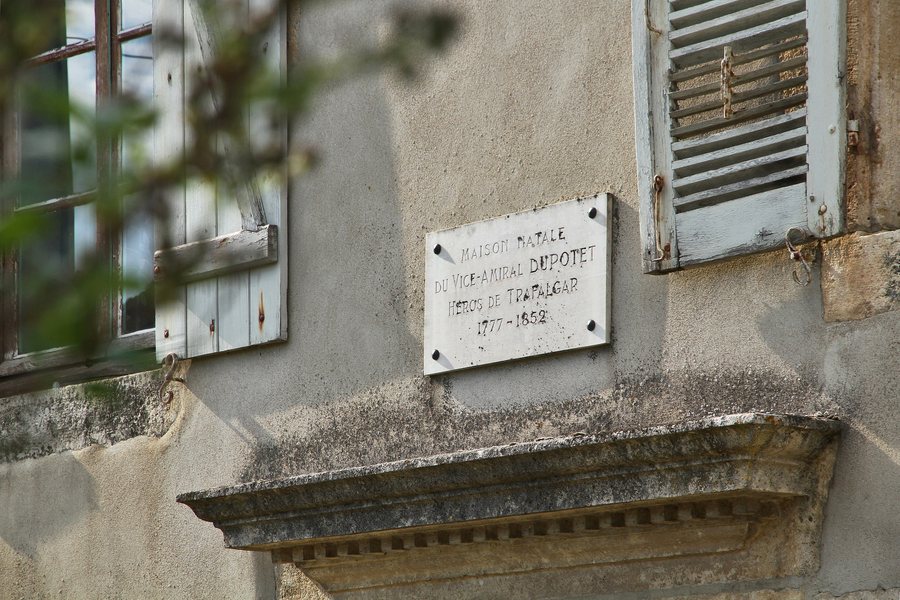
Merovingian sarcophagi were discovered southwest of Chaugey in the Combe aux Saints. The birthplace of Vice Admiral Jean-Henry Dupotet has also been preserved in the village.
Church and Village Details
The Église Saint-Sulpice features architectural elements from the 12th, 17th, and 19th centuries. Its façade bears statues of the Virgin Mary and Saint George. The church preserves murals, including consecration medallions with figures of the apostles and a depiction of the miracle of Saint Hubert.
The cemetery wall contains a stone engraved with a Templar cross; it also features two decorated stones from the 16th and 17th centuries. A 15th-century Calvary, with reliefs on both sides, stands beside a fountain with a livestock trough and wash basin.
Landscape
In the Val des Prés-Mous, tufa bogs cover the slopes south, north, and east of Chaugey. The Vau is a small watercourse near Chaugey.
The 7-hectare Marais du Cônois, a wetland classified as a ZNIEFF and an especially important site for the persistent marsh gentian, lies in the vicinity of Chaugey.
Things to Do
The Marais du Cônois can be reached from Bure-les-Templiers via the D102 toward Chaugey; after approximately 2 km, a road sign indicates the car park.
Further destinations: Bussy-Le-Grand, Marcenay, Échevronne, Bligny-Le-Sec, Thury, Bligny-lès-Beaune, Arnay-Le-Duc, Laignes.

