
Culture and ceramics in Kütahya
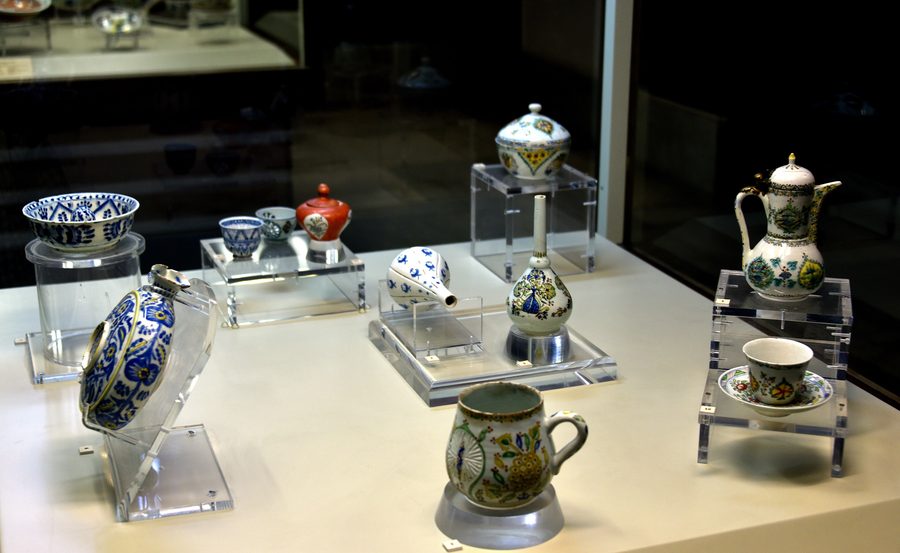 Historische Keramik aus Kütahya mit charakteristischen Fliesenmustern.
Photo: Osama Shukir Muhammed Amin FRCP(Glasg) via Source, CC BY-SA 4.0
Historische Keramik aus Kütahya mit charakteristischen Fliesenmustern.
Photo: Osama Shukir Muhammed Amin FRCP(Glasg) via Source, CC BY-SA 4.0
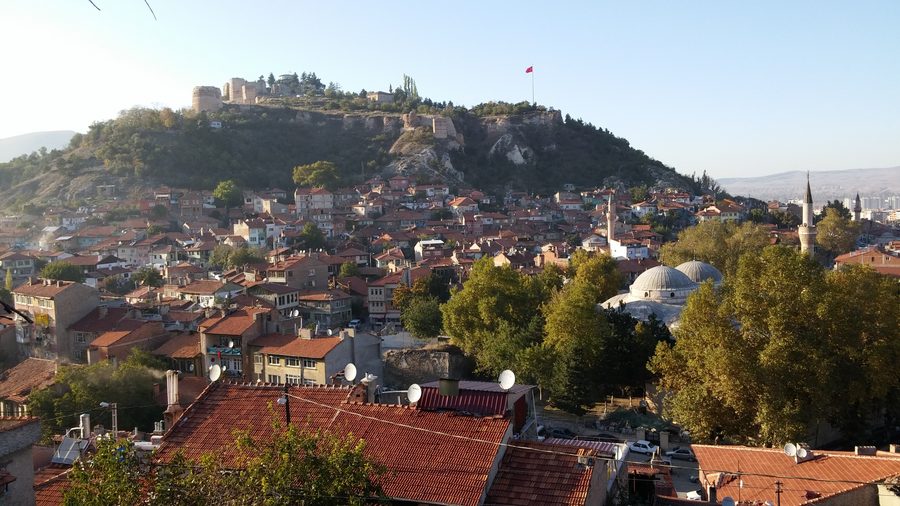
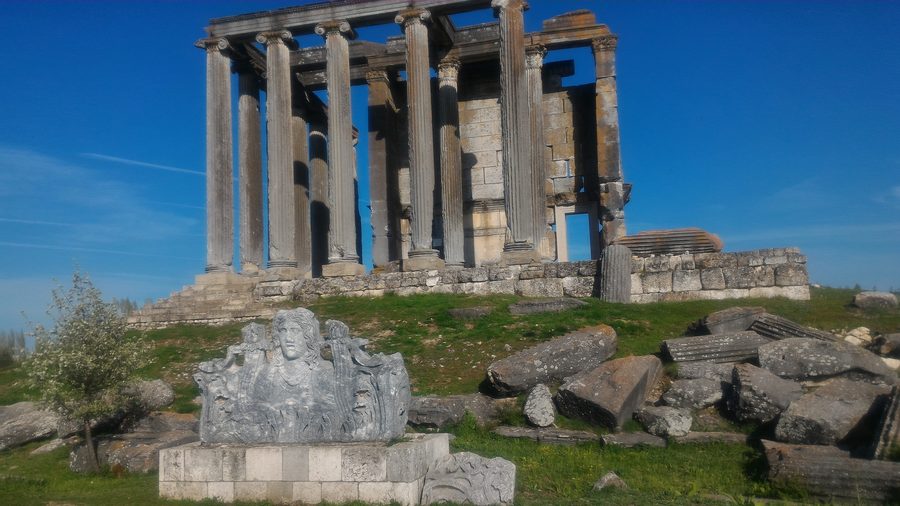
Kütahya combines historic cityscapes with a specific craft theme: ceramics and tiles are part of the city’s cultural profile. The castle, Ottoman-influenced houses, and other historical reference points shape orientation on site. Near Çavdarhisar, Aizanoi adds an ancient excursion destination with a connection to the Temple of Zeus to the city visit.
Quick facts about Kütahya
- Kütahya is located in the western inland part of Turkey and is the urban center of the province of the same name.
- Ceramics and tiles are among the city’s defining cultural themes.
- Historical orientation landmarks include the castle, mosques, and Ottoman-influenced houses.
- Near Çavdarhisar, Aizanoi is an ancient excursion destination associated with the Temple of Zeus.
Ceramics, tiles, and the historic cityscape
In Kütahya, city history and traditional craftsmanship meet. Ceramics and colorful tiles are concrete points of reference for a visit. For families, this regional craft theme offers a shared cultural focus alongside the historic buildings. Current opening hours, admission prices, or hands-on activities cannot be inferred from this; the emphasis is on the city’s cultural impression.
Kütahya Castle also shapes the view of the historic city center. If you want to combine the cityscape and ceramics theme, you can take these two cultural focal points into account when planning accommodation in Kütahya.
Kütahya or Çavdarhisar as the main focus?
The documented regional distinction is clear: Kütahya stands for historic architecture, sightseeing, and ceramics; Çavdarhisar is linked to ancient history through Aizanoi. If you mainly want to get to know the cultural cityscape, you can orient your accommodation search toward Kütahya. If Aizanoi with the Temple of Zeus is the most important excursion, then a direct connection to Çavdarhisar can be included in the planning.
For regional excursions, you should check your individual mobility planning before traveling. Specific travel times, distances, or statements about public transport are not reliable for this page. If you want to combine both cultural-historical focal points, first decide whether the city visit in Kütahya or Aizanoi near Çavdarhisar will be the fixed center, and then choose accommodation accordingly.
The places in the region at a glance
Kütahya and Çavdarhisar are the two places for which a concrete cultural-historical connection can be described. You can find the other regional options here without any additional ranking: Alikahya Köyü, Altıntaş, Çavdarhisar, Emet, Gediz, Kayaköy/Kütahya, Kızılcakaya, Kütahya, Simav and Tavşanlı.
You can also consider the overarching regional entry Turkish Aegean.
Frequently asked questions about Kütahya
What makes Kütahya culturally interesting?
Historic cityscapes as well as ceramics and tiles are the defining cultural themes. This makes Kütahya a good fit for travelers who want to combine city history with a specific regional craft.
Which ancient sight can be associated with Kütahya?
Near Çavdarhisar lies Aizanoi, an ancient excursion destination associated with the Temple of Zeus. You should check current opening hours, travel times, and visit duration separately before planning.

,_Istanbul,_Turkey._1st_half_of_the_18th_century_CE.jpg)

.jpg)