
Holiday apartment in Denizli
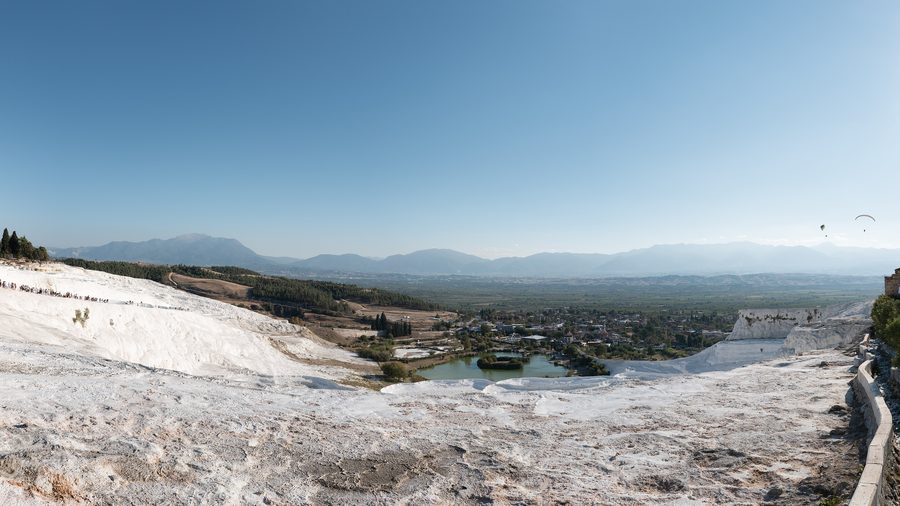 Die weißen Travertinterrassen von Pamukkale prägen die charakteristische Landschaft Denizlis.
Photo: Giorgio Galeotti via Wikimedia Commons, CC BY-SA 4.0
Die weißen Travertinterrassen von Pamukkale prägen die charakteristische Landschaft Denizlis.
Photo: Giorgio Galeotti via Wikimedia Commons, CC BY-SA 4.0
Denizli is more than a stopover on the way to Pamukkale: the region combines a striking white limestone landscape with ancient history, thermal heritage, textile culture, and different starting points between the city and the surrounding area. For families, this does not create a single type of holiday, but rather a trip that can combine nature, culture, relaxation, and self-planned excursions.
Quick facts about Denizli
- Landscape: Pamukkale stands for white limestone terraces and mineral pools formed by calcium-rich thermal spring water.
- Culture: Hierapolis-Pamukkale combines nature with the ruins of an ancient spa town and is part of the UNESCO World Heritage.
- Regional accent: Denizli is associated with textile production; Buldan is linked with traditionally woven fabrics and regional craftsmanship.
- Season: Very hot, sunny summers and milder, wetter winters are important broad points of reference for travel planning.
Pamukkale and Hierapolis: nature experience with history
The travertine terraces of Pamukkale shape Denizli's landscape. The calcium-rich spring water has formed a bright terrace landscape with mineral pools and deposits. For families, the contrast between natural formation and ancient history becomes tangible: the landscape itself becomes an experience and can be combined with a cultural day out.
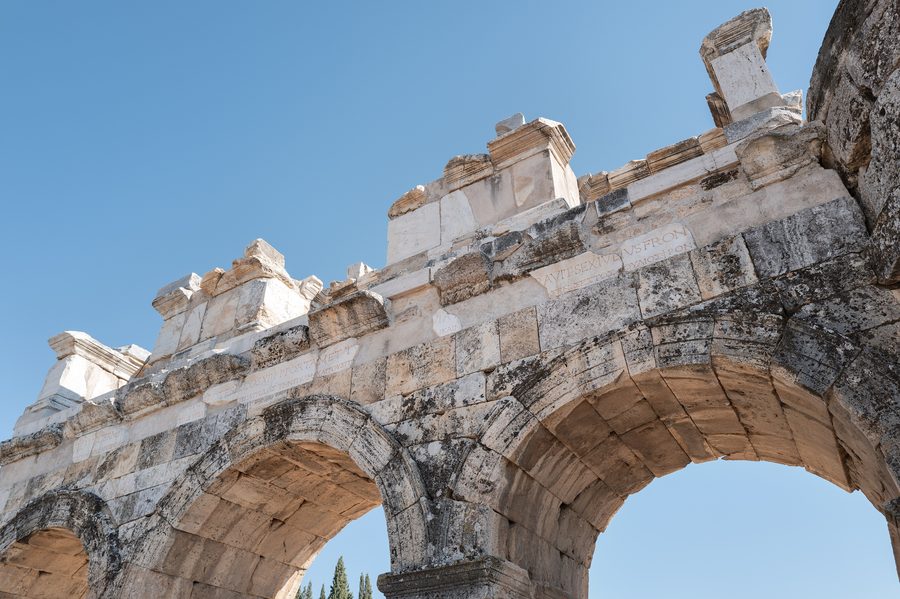
On and beside the limestone landscape lies Hierapolis, an ancient spa town with baths, temples, and other historical monuments. This allows adults and children to combine nature and history in one shared excursion, without reducing Denizli to a simple visit to individual ruins. If you want to focus on this, you can consider accommodation in the Pamukkale area; specific routes, visiting conditions, and accommodation services should be assessed separately using the current information.
Thermal heritage and textile culture
Thermal water is part of the historical identity of Pamukkale and Hierapolis. Karahayıt can also be considered as another place shaped by thermal springs. This is especially interesting if a quieter daily rhythm is desired after a day of sightseeing. No medical effects or specific offers from individual accommodations can be inferred from this.
Another cultural accent lies in the textile tradition. Denizli is known for its textile production, while Buldan is associated with traditionally woven fabrics and regional craftsmanship. This means the trip can also provide insight into regional production and culture alongside nature and antiquity. You should check current market dates, specific shops, or concrete shopping recommendations on site or in up-to-date sources.
Which base suits your travel plan?
The choice of where to stay affects how easily the different reasons for travel can be combined. The city of Denizli can bundle practical everyday, dining, and transport options more effectively. This is a sensible option if you plan different excursions from one base and value consolidated infrastructure more than being directly oriented around a single attraction.
Those who see Pamukkale and Hierapolis as the main reason for visiting can consider a base in the Pamukkale area. For a stay more strongly shaped by thermal springs, Karahayıt is another point of reference. Quieter or more rural locations may suit slower-paced days better, but they require more deliberate mobility planning for regional excursions. You should not assume short distances or a particular transport connection.
For accommodation decisions, this means: choose not only by place name, but by the daily rhythm you have planned. A holiday apartment can be practical if your family wants to organize trips, breaks, and meals independently; however, that does not imply any specific feature of a particular property. Check the current information especially if independent planning, different children’s needs, or flexible days are important.
Season and flexible family days
Very hot summers affect planning for outdoor sightseeing. If Pamukkale and Hierapolis are the main focus, it may make sense not to schedule the day too tightly and to plan in breaks. Thermal and cultural references can be integrated as additional elements in a flexible travel plan, without any particular activity or weather conditions being guaranteed.
Winters are usually milder but wetter; cooler days can also occur outside the height of summer. Flexible travel planning is therefore more helpful than a fixed programme for every day. When choosing your base, check whether it fits your preferred mix of nature, history, relaxation, and independent day planning. For comparison with other parts of the region, you can find further orientation under Turkish Aegean.
Places in Denizli
For further orientation within the Denizli page, here are the associated places: Acıpayam, Akköy, Arıkaya, Avdan, Beyağaç, Beylerbeyi Köyü, Bozkurt, Buldan, Çameli, Çivril, Damlacık Köyü, Denizli, Güney, Kale, Karahayıt, Karahisar Belediyesi, Karakıran, Karataş, Karşıyaka Mahallesi, Kocabaş, Kutlubey Belediyesi, Mecidiye, Pamukkale, Sarayköy, Seki Köyü, Yakacık and Zafer Mahallesi.
Frequently asked questions about Denizli
What makes Denizli special as a travel destination?
Denizli combines the white limestone landscape and thermal history of Pamukkale with Hierapolis, regional textile culture, and a variety of travel motivations.
Which base is suitable for a family stay in Denizli?
Pamukkale suits a focus on nature and culture, while Denizli city is better for consolidated infrastructure. Quieter places in the surrounding area may suit slower-paced days, but require more excursion planning.
How can a stay with children be planned flexibly?
Nature and ancient history can be combined with thermal or quieter days. During intense summer heat and changeable weather, the day plan should remain flexible.
What role does the season play?
Summer heat affects outdoor sightseeing; wetter winters and cooler days may require a different daily schedule.


