
Vacation apartment in Bardiya
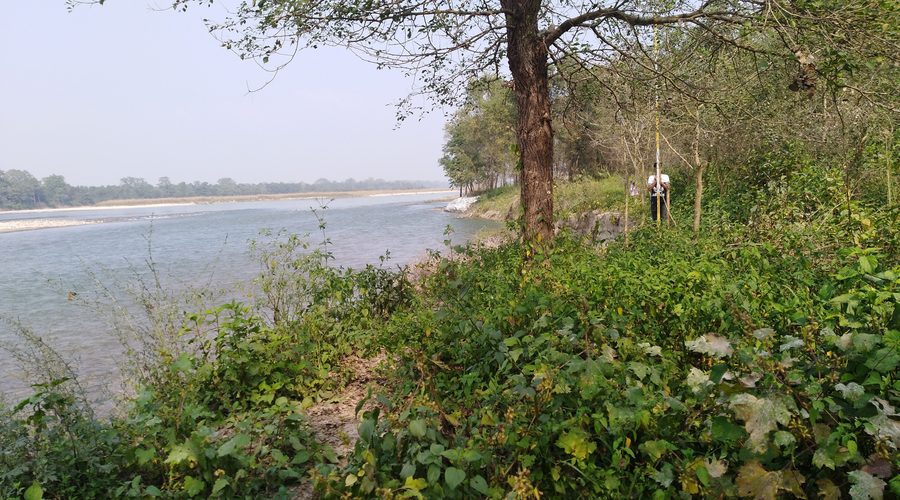 Flusslandschaft im Bardia-Nationalpark nahe dem Karnali-Fluss
Photo: Nagomate via Wikimedia Commons, CC BY-SA 4.0
Flusslandschaft im Bardia-Nationalpark nahe dem Karnali-Fluss
Photo: Nagomate via Wikimedia Commons, CC BY-SA 4.0
Bardiya combines the lowland landscape of western Nepal with the expansive landscape of Bardiya National Park, rivers, forests, grassland, and insights into Tharu villages. If you are looking for nature observation, scenery, and local culture for your trip, you will find different priorities here than on a Nepal stay with a dense city itinerary. For your choice of accommodation, the key factor is therefore less a blanket judgment about the best location than the question of which experiences you want to plan from your base.
Quick facts about Bardiya
- Bardiya is located in the lowland landscape of western Nepal.
- Bardiya National Park is stated to cover around 968 km².
- The landscape includes sal forests, river areas, grassland, and floodplains.
- The park is said to have a diverse wildlife and birdlife, including tiger, greater one-horned rhinoceros, elephants, and various deer species.
- Tharu villages, traditional houses, and cultural insights complement the nature experiences.
Nature between river, forest, and grassland
The appeal of Bardiya lies in the combination of different lowland landscapes. Sal forests, river forest, open grass areas, and floodplains shape the picture of the park and district surroundings. The connection to the river is also visible in the landscape along the Karnali. This creates different impressions for daily planning: observation-oriented excursions can be combined with quieter views of river and forest landscapes.
The sources mention a diverse wildlife and list, among other animals, tiger, greater one-horned rhinoceros, elephants, and deer species as park fauna. This is one reason to classify Bardiya as a nature-oriented travel destination, but it is no guarantee of any particular sighting. Birdwatching is also described as a worthwhile form of experience; because of differing source information, no single species count should be understood as a fixed statistic.
Experiences for different daily rhythms
The described possibilities include guided forest walks, jeep excursions, birdwatching, and activities on or along rivers. This allows you to combine active nature days with slower landscape experiences. Which combination suits your family depends on the children’s ages, fitness level, and desired daily rhythm. You should clarify prices, duration, and providers of individual activities locally or with the respective organization.
Another focus lies in the cultural setting of the park. Descriptions mention Tharu villages, traditional houses, and insights into local ways of life and agriculture. Such encounters can complement a day in nature and also provide concrete travel content when not all family members are planning a long or active excursion. Cultural dance programs are mentioned as a possible addition, but are not guaranteed for every travel date.
Include travel season and arrival in your planning
The time of year changes the landscape impression: during the monsoon, Bardiya is described as particularly green, while drier months can offer more open landscapes. If you prefer open, drier conditions for nature observation, you can take this aspect into account when planning your trip. There is no definitive best time to visit from this alone; weather and specific conditions remain decisive.
Possible ways to arrive include bus, car, and flight. One described option goes via Nepalgunj and then continues overland. Exact travel times, current connections, and the most convenient option cannot be derived from this. For families with changing daily plans, it is therefore worthwhile to include transport arrangements as well as planned nature and cultural dates early in the location decision.
Which accommodation location suits your travel plan?
In Bardiya, the specific location of the accommodation should be matched with the planned park, river, and village experiences. Sources link lodges and stays with park excursions, river landscapes, and nearby Tharu villages. For your selection, this means checking which of these types of experiences can be organized from the respective base and how well they fit your desired daily rhythm.
A location close to nature can support access to landscape and nature experiences, but on its own says nothing about the facilities, catering, shopping options, or family comfort of a particular vacation apartment. If self-catering or flexible breaks are important for your trip, you should check these points separately for each specific offer. Bardiya is therefore especially suitable for a trip in which nature observation, river and forest landscapes, and local culture take up a large share.
As a broader point of orientation, you can also look at Mid-Western Region if you would like to compare Bardiya with further options in the Mid-Western Region.
Frequently asked questions about Bardiya
What makes Bardiya special as a travel destination?
Bardiya combines the western Terai, the expansive landscape of the national park, diverse wildlife, and Tharu-influenced cultural insights. The destination is therefore aimed primarily at travelers who want to place greater emphasis on nature and local culture.
Which experiences can be combined in Bardiya?
Guided nature excursions, birdwatching, jeep excursions, river activities, as well as insights into Tharu villages and possible dance programs are mentioned. The specific offer depends on the travel date and the respective organization.
How can the season change a Bardiya trip?
The monsoon season is associated with a particularly green landscape, while drier months can offer more open landscape impressions. Your specific planning remains weather-dependent; no fixed best travel time can be derived from this.
What should you consider when choosing accommodation in Bardiya?
The base should match the planned park, river, and village experiences as well as the desired transport arrangements. Individual nature-oriented village and river locations are described, but this does not allow a general statement about comfort or distance for every accommodation.

