
Accommodation in Nepal
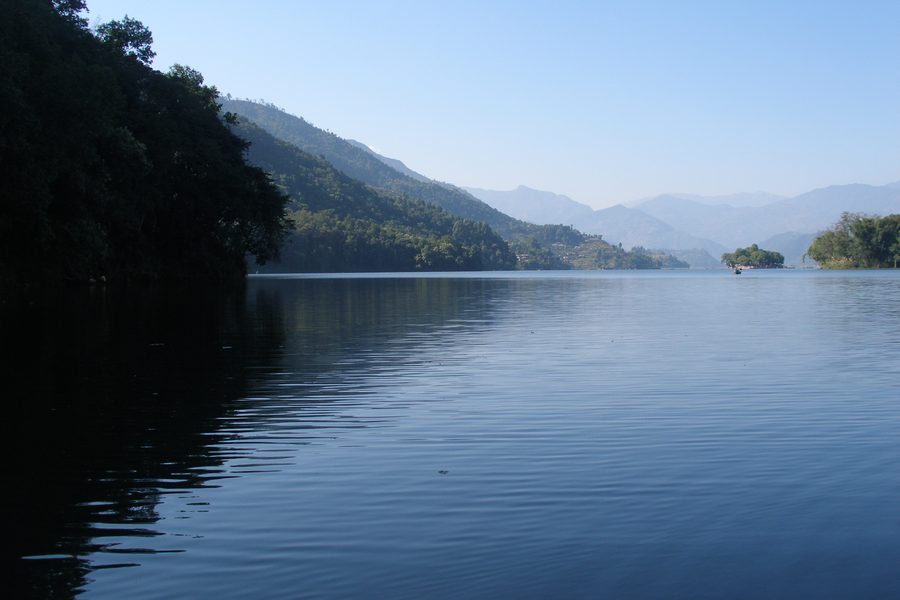 Der Phewa-See bei Pokhara verbindet Wasserlandschaft mit den Vorbergen der Annapurna-Region.
Photo: Vyacheslav Argenberg via Wikimedia Commons, CC BY 4.0
Der Phewa-See bei Pokhara verbindet Wasserlandschaft mit den Vorbergen der Annapurna-Region.
Photo: Vyacheslav Argenberg via Wikimedia Commons, CC BY 4.0
Nepal surprises with several travel worlds in a small area: historic cities and lively markets, Phewa Lake in front of the Annapurna foothills, the lowland landscapes of the Terai, and mountain-oriented routes in the Everest region. Especially for a trip with different interests, it is worth deciding first on the desired mix of culture, scenery, active days, and quieter days — and only then looking for a place to stay.
In brief
- Culture in the Kathmandu Valley: Historic streets, temples, stupas, and craft markets make the cultural heritage directly tangible.
- Lake and mountains near Pokhara: Phewa Lake combines waterscape and Annapurna foothills to create a travel experience clearly different from the capital region.
- Nature in the lowlands: In the Chitwan area, jungle and wildlife experiences meet insights into Tharu culture.
- Himalayan routes: Trails in the Everest region and Sherpa culture shape a distinct, mountain-oriented style of travel.
- Mid-hills: Terraced fields, river valleys, and culturally shaped areas form a transition between city, foothills, and high mountains.
- Terai: Plains, subtropical forests, agriculture, and national parks broaden the Nepal experience beyond mountain landscapes.
Why Nepal is more than just a trekking trip
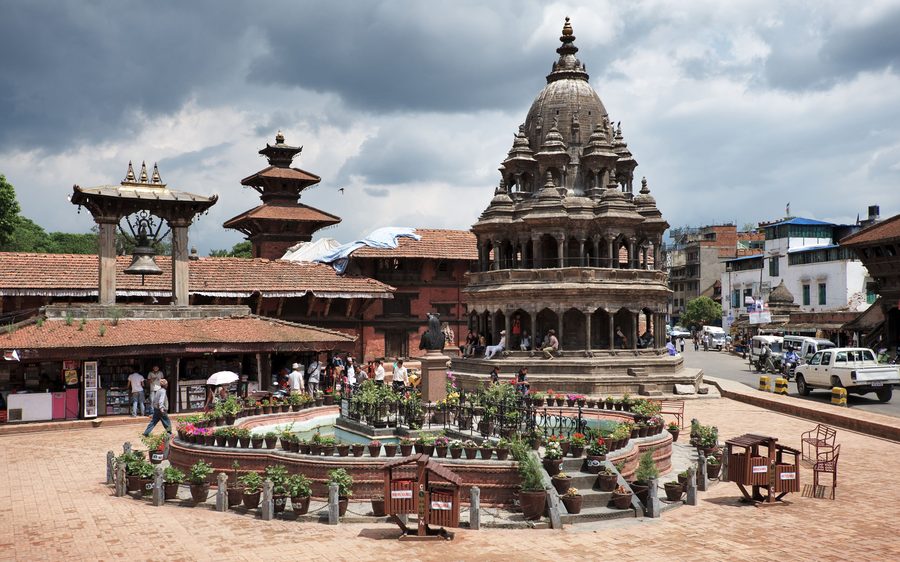
Anyone who associates Nepal only with high mountains overlooks an important part of the country. In the Kathmandu Valley, cultural sites, religious buildings, and craft markets lie close together. That creates vivid discoveries for days when you want to wander through streets and squares together, look at details on temples, or get to know local craftsmanship.
The surroundings of Pokhara feel very different: Phewa Lake and the Annapurna foothills bring water and mountain scenery into focus. In the Terai, plains, forests, and a different type of landscape are added. Nepal can therefore be planned as a sequence of different impressions, rather than as a trip with only one single focus.
Four travel profiles that make Nepal tangible
Culture cities and markets
The Kathmandu Valley is a good starting point if historic streets, temples, stupas, and craft set the tone for the trip. A central location can then make sense because the accommodation mainly serves as a base for city and culture days. For families with different interests, it also becomes easier to divide the day between more intensive sightseeing and relaxed exploration without reducing Nepal to a single nature experience.
Lake and mountain scenery near Pokhara
Around Pokhara, a different image of Nepal emerges: Phewa Lake adds an open water setting to the journey, while the Annapurna foothills provide the mountain backdrop. If you place more emphasis on scenery and excursions than on dense city life, the search for accommodation should begin in the Pokhara area. Check whether the specific location fits the planned lake, foothill, and rest days.
Lowland nature and Tharu culture
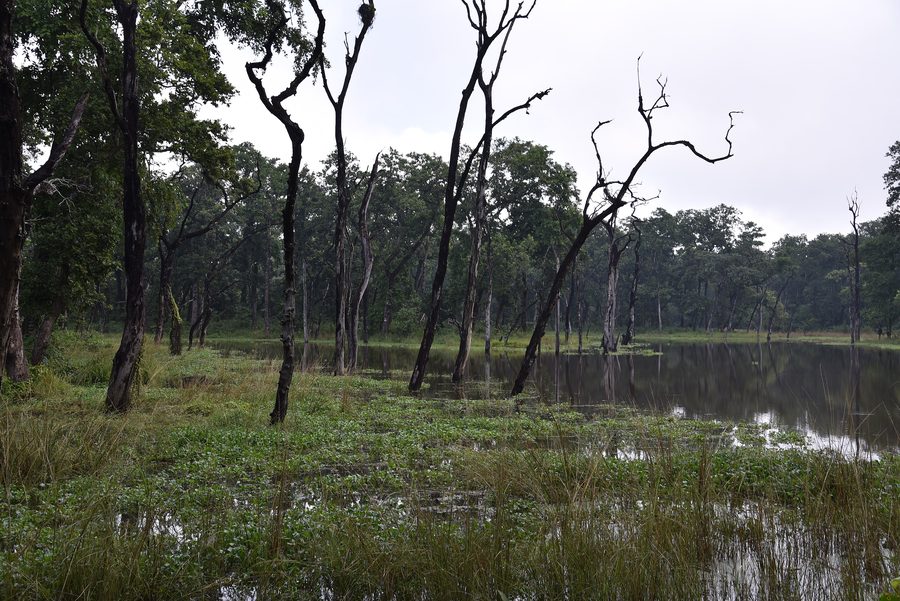
The Chitwan area adds jungle and wildlife experiences as well as insights into Tharu culture to a Nepal trip. This focus is fundamentally different from a city base or a route in the high mountains. Anyone who wants to combine nature and cultural encounters in the lowlands should consider this section as its own accommodation base rather than planning it merely as a short detour between other travel profiles.
Mountain-oriented routes
In the Everest region, Himalayan trails and Sherpa culture shape the journey. That calls for a different planning logic than a fixed stay in a city or by a lake: on a route-oriented trip, you should look at the overnight stays along the planned stages. A single accommodation in a city does not replace this route planning. Which changes of location, which luggage, and which length of stay suit your group remains a question of the specific itinerary.
Which Nepal trip suits your plans?
Start with the experience that is meant to be at the center. Heritage sites, markets, and historic architecture point to a city-based or centrally located base. Lakes and foothills are more likely to lead to a landscape-oriented stay in the Pokhara area. Jungle, plains, and Tharu culture make a dedicated lowland section appealing, while Himalayan trails call for planning close to the route.
A combination of several profiles can be appealing, but it changes the accommodation decision: city, lake, lowlands, and mountain route are not interchangeable locations. If children of different ages are traveling with you, it helps to organize active days and quieter discoveries not only by destination but also by changing the base. This makes it clear whether you would rather stay longer in one place or combine several clearly distinct travel building blocks.
Aligning the accommodation base with the travel idea
For a cultural focus, the location in the Kathmandu Valley area is especially important. For a focus on lakes and mountains, you should look for accommodation in the Pokhara area and check the exact location against the planned scenic experiences. In the Chitwan area, by contrast, the key question is whether the accommodation supports the desired nature section as a distinct part of the trip.
For a mountain route, the accommodation is not just a quiet retreat, but part of the route planning. Check whether the overnight stays fit the intended route, your length of stay, and how you will handle your luggage. If self-catering is important, clarify the exact facilities directly with the individual provider; they cannot be inferred from the region or the type of trip.
More places and regions in Nepal
After the broader Nepal comparison, you can refine your choice through other regionally or locally named destinations. The following links lead to different parts of the country and add more possible starting points to the four major travel profiles.
Regionally named destinations include Bagmati, Central Region, Dhulikhel, Eastern Region, Janakpur, Phulbari, Sheshnarayan, and Siddharthanagar.
Further regionally named destinations can be found under Far-Western Region, Gandaki, Mid-Western Region, Narayani, and Western Region.
Locally named places also remain visible: Bandipur, Bhalam, Gorkha, and Meghauli. For route-oriented place names, you can also open Chaurikharka, Namche, and Phakding.
Frequently asked questions about Nepal
Which different travel experiences can be combined in Nepal?
Nepal combines culture cities in the Kathmandu Valley, lake and foothill landscapes near Pokhara, lowland nature in the Chitwan area, and mountain-oriented trails in the Everest region. These building blocks differ so clearly that you should define the desired focus and travel pace before searching for accommodation.
How do you choose an accommodation base in Nepal that suits your planned travel profile?
For culture and markets, it makes sense to search in the Kathmandu Valley area; for lakes and foothills, the Pokhara area; and for jungle and Tharu experiences, a separate section in the Chitwan area. On a mountain route, check the overnight stays along the planned stages instead of assuming a fixed city base.


.jpg)
.jpg)