
Vacation apartment in Karatsu
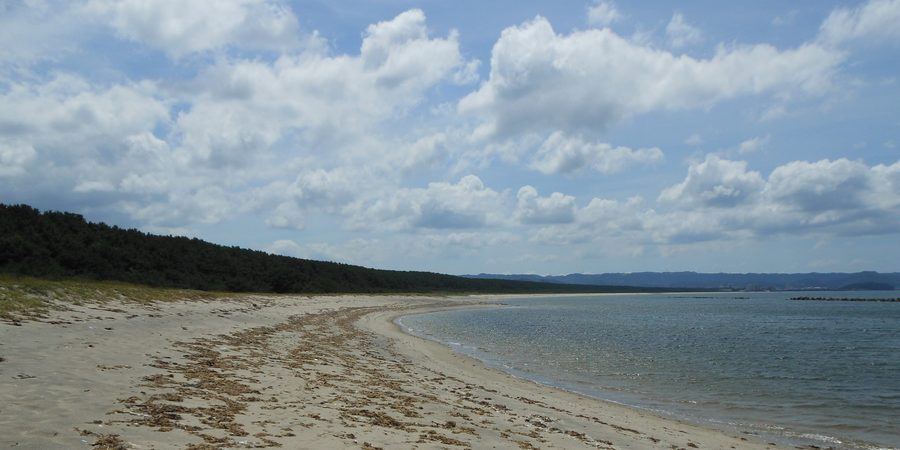 Der Nijinomatsubara-Kiefernwald verbindet Küstenlandschaft und Naturerlebnis bei Karatsu.
Photo: Pekachu via Wikimedia Commons, CC BY-SA 4.0
Der Nijinomatsubara-Kiefernwald verbindet Küstenlandschaft und Naturerlebnis bei Karatsu.
Photo: Pekachu via Wikimedia Commons, CC BY-SA 4.0
Karatsu combines coast, historic sites, and regional culture. Beaches and the approximately five-kilometer-long Nijinomatsubara pine forest stand alongside Karatsu Castle, the ruins of Hizen Nagoya Castle in the northern area, and the tradition of Karatsu pottery. For a trip with varied interests, it is therefore crucial which focus and which accommodation location suit your travel plans.
Brief facts about Karatsu
- Landscape: The Nijinomatsubara pine forest lies on the coast and is approximately five kilometers long.
- History: Karatsu Castle adds to the city's historical profile; to the north are the ruins of Hizen Nagoya Castle.
- Culture: Karatsu is associated with Karatsu pottery and the seasonal Karatsu Kunchi in November.
- Travel access: Rail connections from the direction of Fukuoka and Saga also make Karatsu interesting for a trip with multiple stops.
The coast and nature as a recurring theme
Anyone planning mainly coastal days in Karatsu will find two different landscape impressions with the beaches and the Nijinomatsubara pine forest. The forest combines coast and nature experience and can be explored on foot, by bicycle, or by car. Depending on the travel plan, this excursion can therefore be arranged in different ways.
For choosing a vacation apartment, this focus mainly means: Check how you want to reach the coastal destinations. On foot, by bicycle, by car, or by public transport, different location requirements arise. A specific distance or suitability of an individual property cannot be derived from this.
Karatsu Castle, historic places, and craftsmanship
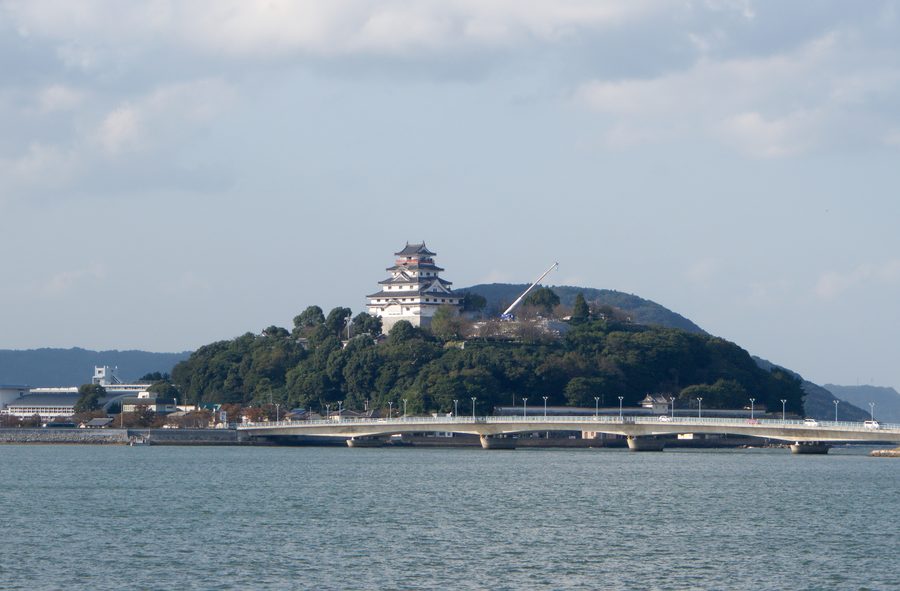
Karatsu Castle adds a concrete historical urban motif to the coastal profile. The ruins of Hizen Nagoya Castle in the northern area are also part of the broader regional picture; the distance from Karatsu City is stated as approximately ten kilometers. If you want to combine such places with coastal and beach days, you should consider the desired excursion radius when searching for accommodation.
Karatsu pottery also belongs to the region's cultural and craft heritage. It can add an insight into local craft tradition to a stay if not every day of the trip is meant to focus on nature and the beach.
Travel season and cultural calendar
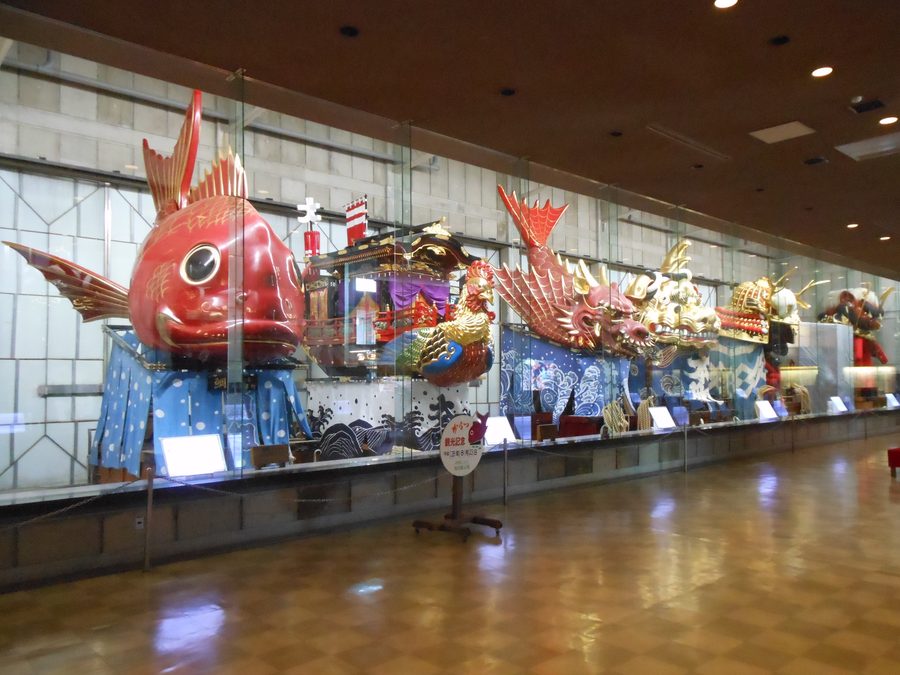
Karatsu Kunchi is a seasonal cultural highlight in November. If this festival is important for your trip, you should check the current date and event information before planning. The Hikiyama festival floats can also be seen in an exhibition outside the festival period. This means the cultural connection is not limited exclusively to the festival time, without allowing any current program to be inferred from it.
Which base suits your travel plan?
Karatsu can be thought of either as the main focus of a stay or as part of a trip through several destinations in northern Kyushu. Rail connections from the direction of Fukuoka or Saga make travel an important planning factor. Karatsu is also included as a destination in the context of a Northern Kyushu rail pass; the area of validity, prices, and current conditions should be checked before use.
The various experience options within Karatsu's profile speak in favor of a fixed base: coast and Nijinomatsubara on the one hand, castle, historic sites, and pottery on the other. For a trip with multiple stops, however, what matters more is how well Karatsu fits into your personal excursion radius and planned mobility. Therefore, before booking, compare not only the type of accommodation, but also the location in relation to your focus and the transport options you plan to use.
For families with different interests, a flexible balance of activities is a good option: coastal and nature experiences can be alternated with historic places and regional culture. This is not automatically linked to any particular suitability for children of different ages or special amenities. What remains decisive is the mix your family is looking for and how you want to get around between destinations.
If you would like to compare Karatsu with other areas of the prefecture, the next step leads to Saga Prefecture.
Frequently asked questions about Karatsu
What makes Karatsu special as a travel destination?
Karatsu combines coast, beaches, and the Nijinomatsubara pine forest with Karatsu Castle, historic places, and regional Karatsu pottery.
Which experiences can be combined in Karatsu?
Documented are coastal and beach experiences, the Nijinomatsubara pine forest, Karatsu Castle, historical ruins in the northern area, and the cultural connection of Karatsu pottery.
When is Karatsu Kunchi relevant for travel planning?
The festival is a seasonal event in November. Anyone wanting to experience this tradition should check the current date and event information. The festival floats can also be seen in an exhibition outside the festival.
What role does the location of the vacation apartment play?
The location should be chosen according to whether coast and nature, city and culture, or excursions in the northern area are the priority, and how you want to get around. Specific distances or amenities of individual accommodations are not associated with this.


.jpg)
