
Accommodation in Japan
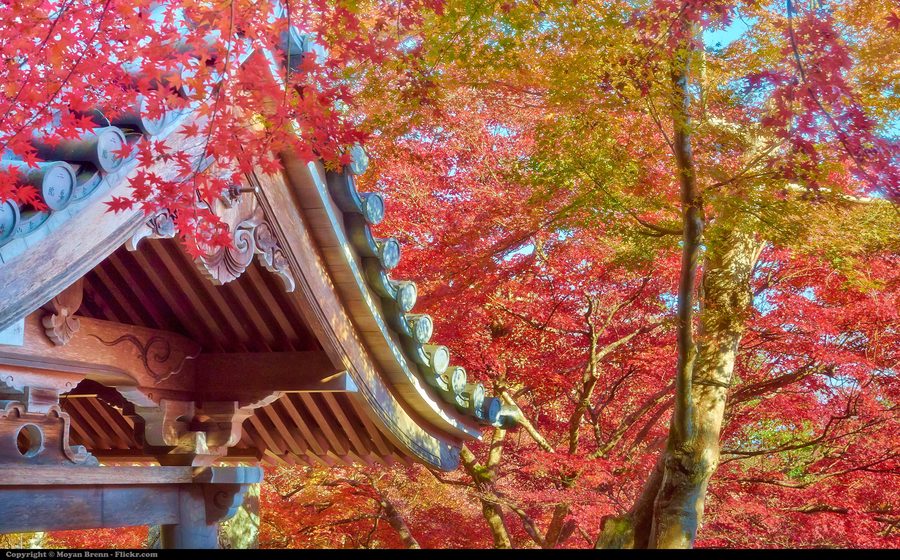 Historic temple architecture in Kyoto’s Arashiyama district.
Photo: Moyan Brenn from Italy via Wikimedia Commons, CC BY 2.0
Historic temple architecture in Kyoto’s Arashiyama district.
Photo: Moyan Brenn from Italy via Wikimedia Commons, CC BY 2.0
Japan is a long-haul destination best understood through its travel arc: official travel information organizes the country by experiences, regions, and routes. That quickly makes it clear that it is not just the place that matters, but the choice between a major city, culture, nature, the coast, or an island feeling.
Quick facts about Japan
- Japan’s official travel information groups the country by experiences, regions, and travel routes.
- An official JNTO round trip features Kansai as the cultural start and Tokyo as the strong finale.
- Japan can be planned sensibly by its major regions.
- For many families, Tokyo, Kyoto, and Osaka form a clear mix of city, culture, and leisure.
- Depending on the region, you will find very different starting points, from city to island and coast.
Japan between cultural site and metropolis
The mix of tradition and pop culture is what makes Japan so vivid for many families. That is exactly why a trip to Japan often works on two levels at once: as a sequence of major regions and as a change between historic places, modern city energy, and clear cultural routes.
An official JNTO round trip features Kansai as the cultural start and Tokyo as the strong finale. Keeping this arc in mind gives you a journey with a clear beginning, a distinct counterpoint, and a middle that is easy to organize.
Reading Japan as a family trip
With children, what matters most is which region makes the everyday rhythm of the trip easiest. The official breakdown by experiences, regions, and routes helps you see Japan not as an endless list of places, but as a choice between clear travel styles.
For many families, Tokyo, Kyoto, and Osaka form a clear mix of city, culture, and leisure. Depending on the region, you will find very different starting points, from city to island and coast. That is why it is worth deciding on the base first and then sorting the individual destinations accordingly.
Major city and classic first-trip bases
If you want to begin your Japan trip with a compact but easy-to-follow arc, the major city and cultural bases are an obvious choice. The classic Kansai-to-Tokyo route works especially well here because it clearly frames the shift from a cultural start to a strong finale.
This axis includes Aichi Prefecture, Chiba Prefecture, Hyōgo Prefecture, Kanagawa Prefecture, Kyoto Prefecture, Ōsaka Prefecture, Saitama Prefecture, and Tokyo.
For families, this is a clear way to read Japan if you want to bundle city, culture, and leisure into one compact framework.
Northern Japan and nature-focused regions
If you think of Japan more in terms of space, cooler landscapes, and nature-oriented stages, the view shifts toward Northern Japan and the inland north. These regions stand for a calmer reading of the country, where landscape and distance matter more than a dense city program.
Here you will find Hokkaido, Akita Prefecture, Aomori Prefecture, Fukushima Prefecture, Iwate Prefecture, Miyagi Prefecture, Nagano Prefecture, Niigata Prefecture, Toyama Prefecture, Yamagata Prefecture, and Yamanashi Prefecture.
This is a good fit if you want to place more emphasis on nature and space than on the classic city chain.
Coasts, islands, and more southern travel styles
If you want to combine Japan with the sea, an island feeling, or a more relaxed pace, look to the more southerly and coast-adjacent destinations. Here, the trip feels more open and more strongly shaped by the location itself.
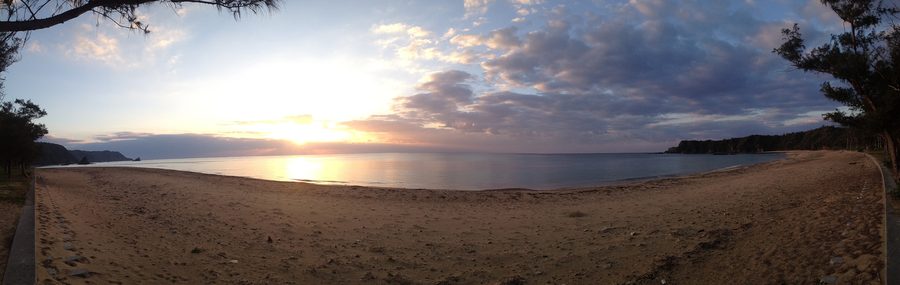
These include Iwojima, Fukuoka Prefecture, Kagoshima Prefecture, Miyazaki Prefecture, Nagasaki Prefecture, Okinawa Prefecture, Tokushima Prefecture, and Wakayama Prefecture.
This direction works if you are looking for a calmer rhythm and a coastal or island setting for families.
Mountains, lakes, and excursion regions
Japan can also be read as a sequence of nature days. Mountains, lakes, and landscape areas then are not just in the background, but shape the daily rhythm of the trip and make quiet in-between stages just as sensible as active days.
Here you will find Gifu Prefecture, Gunma Prefecture, Ibaraki Prefecture, Ishikawa Prefecture, Mie Prefecture, Nara Prefecture, Shiga Prefecture, Shizuoka Prefecture, Tochigi Prefecture, and Yamaguchi Prefecture.
Here, Japan becomes especially tangible as a landscape and excursion trip.
Western Japan and other regional alternatives
Away from the best-known axes, Japan opens up further regional paths for culture and local character. For families, this is interesting if you want to read the trip not only through the major classics, but also add a second perspective.
These include Ehime Prefecture, Fukui Prefecture, Hiroshima Prefecture, Kagawa Prefecture, Kōchi Prefecture, Kumamoto Prefecture, Ōita Prefecture, Okayama Prefecture, Saga Prefecture, Shimane Prefecture, and Tottori Prefecture.
This keeps Japan varied without losing the clear travel arc.
Frequently asked questions about Japan
Which Japan route is suitable for a first family trip?
A clear route with Kansai as the cultural start and Tokyo as the finish is an easy-to-understand framework for many families.
How does Japan’s official classification by experiences, regions, and routes help?
Japan’s official travel information groups the country by experiences, regions, and travel routes. That quickly turns variety into a clear travel arc.
Which sides of Japan make the trip especially varied?
Japan can be planned sensibly by experiences, regions, and travel routes. Added to that is the cultural diversity from tradition to pop culture.

.jpg)
