
Vacation rental in Nara Prefecture
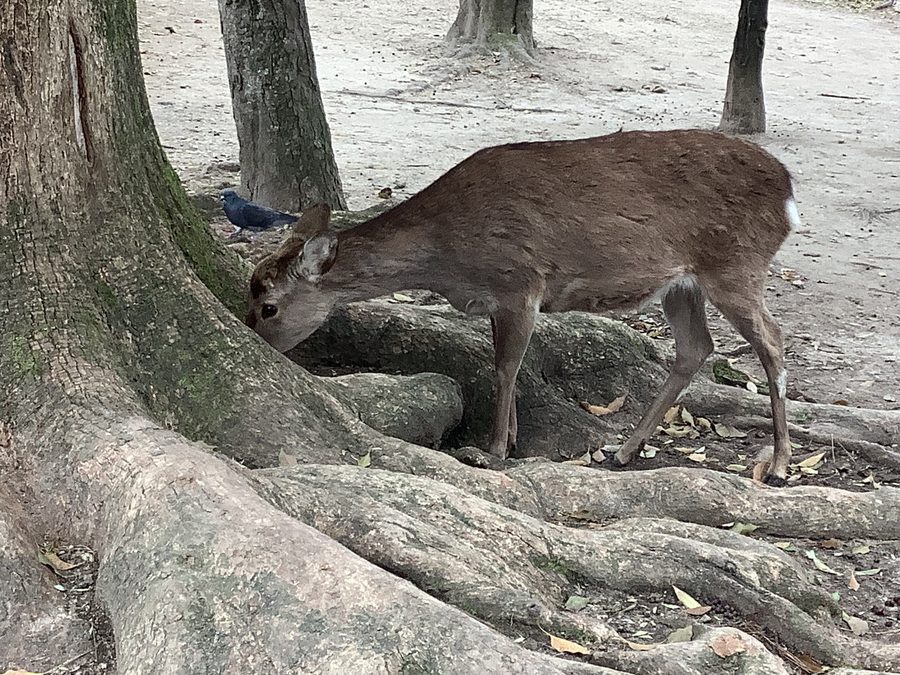 Deer in Nara Park, a defining part of the Nara experience.
Photo: レペゼンマン via Wikimedia Commons, CC BY 4.0
Deer in Nara Park, a defining part of the Nara experience.
Photo: レペゼンマン via Wikimedia Commons, CC BY 4.0
Nara Prefecture is a region where early Japanese history, quiet townscapes, and noticeably more mountainous scenery can all be combined in one trip. For families, that is especially helpful: you can pair a culturally focused stay in the historic core with days in greenery and a little more distance from the pace of the city. If you want to place Nara in the broader Japan context, Accommodation in Japan also leads you to the wider selection.
Quick facts about Nara Prefecture
- Historically and spiritually shaped: early Buddhist roots and a long history as a capital.
- Many places feel quiet and semi-rural rather than dense and urban.
- UNESCO-related cultural and pilgrimage landscapes range from Ancient Nara to Horyuji and the Kii mountain region with Yoshino and Omine.
- The south is more mountainous and is especially well suited to nature days and hiking ideas.
- Nara is easy to reach from Kyoto or Osaka as a base for day trips and overnight stays.
Why Nara works so well as a family travel destination
The region’s profile is clear: the center is defined by historic sites, parkland, and the famous deer; in the south, things become noticeably quieter and more scenic. That contrast is exactly what makes the prefecture interesting for families who do not just want to tick off sights, but are looking for a place where shared days can be planned without much rush. Anyone who prefers culture and short distances will orient themselves differently from someone who mainly wants peace and nature.
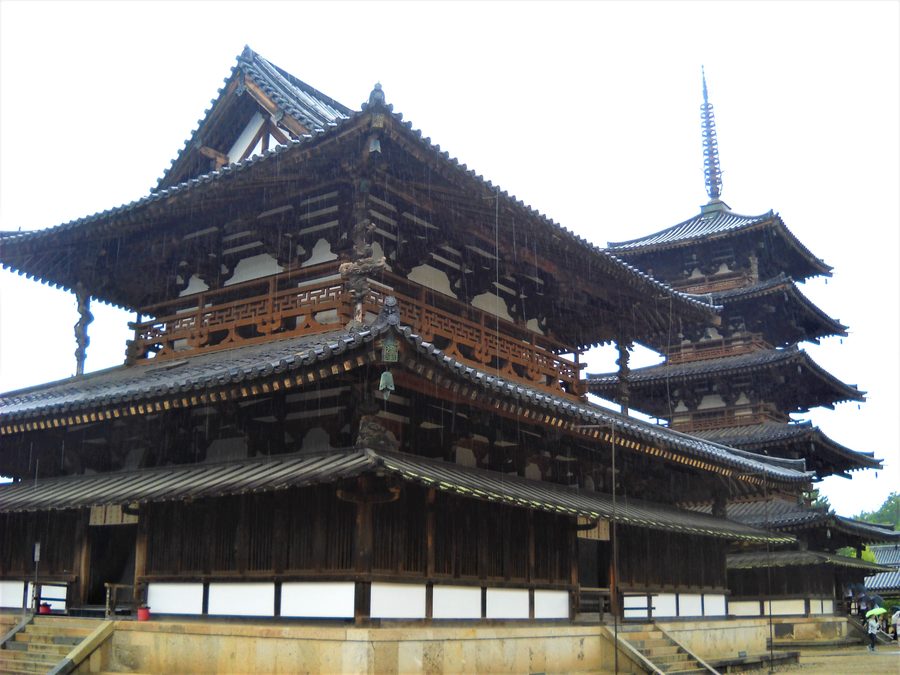
For a culture-focused stay, the places in the historic core are the obvious first choice because they most clearly reflect the prefecture’s cultural profile. If you want a slower pace instead, the south is a better fit, especially when nature days and scenery matter more to your trip than urban density.
Choosing the right base in Nara Prefecture
Rather than searching for one single best location, it is worth looking at what you want the days to be about in Nara: culture, nature, or a mix of both. The following places help you find the right area.
Culture and core locations
If you want to focus on historic places and culture, start with these names:
- Nara – the most obvious anchor for a culture-oriented base.
- Kashihara – another name in the culture group.
- Sakurai – a good choice if you want to compare places within the heritage-focused area.
- Tenri – part of the central comparison within the cultural core.
- Yamatokōriyama – a named place that also belongs in the same comparison.
- Yamatotakada – another option in the same cultural group.
This group is especially suitable if you want your accommodation to combine cultural sights, parkland, and a fairly calm setting. For families, that is often more pleasant than a base that feels too spread out.
Nature and southern mountain landscapes
If you prefer slower days, more greenery, and open scenery, look toward the southern, nature-oriented side of the prefecture. There, Nara is more mountainous and well suited to nature days and hiking ideas.
- Asuka – a name from the quiet nature and landscape group.
- Nosegawa – also part of the same group.
- Uda – also part of the same group.
- Yamazoe – also part of the same group.
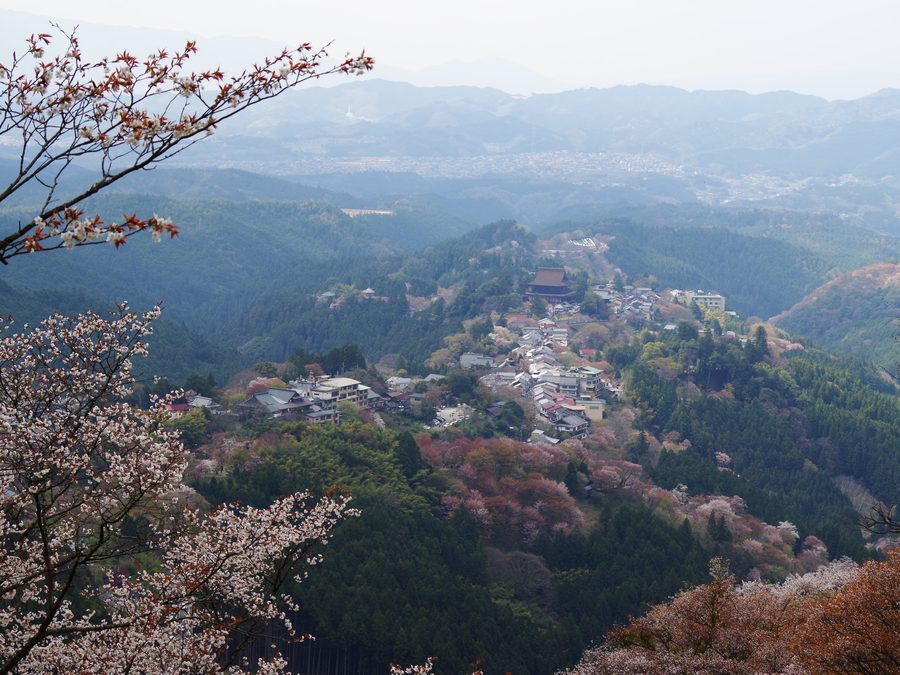
- Yoshino – especially interesting in spring.
- Yoshino District – an additional look at the southern landscape area.
For families looking for experiences without constantly changing places, this direction is often the calmer choice. Here, the days can be shaped more strongly by scenery and time outdoors.
Additional regional options for flexible routes
Some places are especially helpful if you are planning Nara as part of a mixed route and want to combine access to culture with a somewhat calmer pace.
- Gojō – an additional name for a flexible Nara round trip.
- Ikoma District – useful if you want to think about the region in broader terms.
- Kamiichi – an additional area for your selection.
- Shiki District – useful if you are weighing several Nara options.
- Takaichi District – another addition for planning your base.
These names are mainly decision aids: they help you read the prefecture not just as one place, but as several possible starting points. That makes it easier to match accommodation to the desired mix of culture, calm, and family life.
Frequently asked questions about Nara Prefecture
What makes Nara Prefecture especially good for families?
Nara Prefecture combines early Japanese history, parkland, and the famous deer; it is also easy to reach by train from Kyoto or Osaka.
Is Nara better as a cultural base or a nature base?
Both are possible: the historic core is a good fit for culture, while the south is better for nature days and hiking ideas.
Is Nara a good place for a slower family stay?
Yes, especially if you are looking for a quieter base with traditional townscapes and a less urban pace.
When is Yoshino especially interesting as a travel idea?
Especially in spring, when Yoshino stands out as a blossom destination; its southern mountain location is also generally well suited to landscape days.


