
Sailing holiday in the holiday home
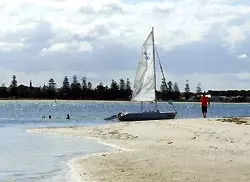 A small sailing boat lies on the shallow sand bank of a calm inland waterway.
Brief facts on the subject
- Territory, boat type and crew experience must match.
- Which proficiency and radio certificates apply depends on the country, voyage area, boat and charter contract.
- Wind, current, tide, weather windows and harbour rules determine day planning.
- Charter price, deposit, insurance, final cleaning, fuel and mooring fees are to be checked separately.
- Accommodation near the port facilitates early handovers and shortens paths with equipment.
- During day trips on land, no sleeping place on board is necessary for all travelers.
- Families and beginners benefit from short stages, protected areas and qualified escorts.
Day sailing or vacation on board?
OneSailing holiday in the holiday homeis a good solution if the crew wants to sail during the day and live on land in the evening. A holiday apartment or a holiday home on the port offers more space, a kitchen and fixed sleeping rooms. This is especially practical if not all passengers sail or if individual days are scheduled for excursions, weather breaks and relaxation.
Those who want to spend every night on the water need a different planning: bunks, provisions, port change and luggage must fit the boat. For a longer trip with a rented yacht, the instructions for Yacht charter; Slower inland routes can be achieved with the Houseboat holidays Compare. The general overview of Sports holidays in the holiday home Helps in combining with other activities.
Choose the right area
North and Baltic Sea offer ports, islands and coastal towns with different wind and tidal conditions. For beginners, protected sections with short stages are often clearer than open coastal trips. In the case of Accommodation includes port distance, parking, shopping and a safe option for bags and wet clothes.
On inland lakes such as Lake Constance or Balaton, day trips are possible without tidal planning, but wind and local rules remain important. One Holiday home on the lake can facilitate access to the water, but is not automatically located at a suitable port or rental station. Therefore, check the concrete berth, the boat rental and the paths on land.
The Croatian Adriatic coast, the Greek islands and selected areas in the western Mediterranean appeal to experienced crews and charter guests. Places and coves are not always close together; an accommodation in Land is therefore particularly useful if only individual sailing days are planned. For a coastal stay without a daily boat tour, a Beach holidays It is the most appropriate complement.
Charter, evidence and security
Before concluding the contract, the boat, territory, transfer, insurance and the required proofs must be clarified. Specifications vary by country, flag, charterer and boat size. Who does not lead themselves If you would like or still gain experience, you can search for a qualified skipper, a course or a sailing opportunity. Independent management without appropriate knowledge and Documentation is not a safe option.
The price is not only the charter amount. In addition, deposit, final cleaning, bed linen, outboard, fuel, port fees, tourist tax and insurance may apply. Weather Reserve and a Plan for One Port day should be considered in the budget and in the holiday process. The Travel arrangements helps with documents, baggage and emergency contacts; which: Travel time should fit the territory and the experience of the crew.
Sailing with family and non-sailers
For families, a protected area with short trips, bathing opportunities and accessible care is often more suitable than a demanding trip. Non-sailing passengers need their own offers on land. One Accommodation near the port allows the crew to start flexibly and individual people can put in a state parliament. Near a lake, a Family leave There are several interests.
Before booking, check if the property offers parking, washing machine, dry storage space and an uncomplicated way to the port. With a holiday apartment on the water, the view is less important than the actual distance from handover. Contract, payment method and cancellation conditions should be provided with the instructions for Secure rentals Compare; for the appointment choice helps When to book a holiday home?.
Vote boat type and day schedule
For short trips, a small day sailor or a well-accessible charter boat is often enough. For trips lasting several days, on the other hand, the berths, storage space, pantry, sanitary area and range count. Families should consider whether the boat provides safe movement areas, suitable life jackets and a protected seating area. Not every crew needs a large yacht: a smaller boat can be easier to maneuver, cheaper and for shorter Territory changes are more suitable.
Don’t plan every vacation day with a long distance. A harbor day for weather, shopping or a landing is part of the realistic process. Before delivery should be damages, inventory, safety equipment, The fuel level and the return times are documented together. For day rentals, admission, return period and possible additional costs are just as important as the pure rental price.
Port logistics and location of the holiday home
The distance between the holiday home and the port should be assessed with luggage and equipment. A neighborhood that seems close on the map may be impractical due to one-way streets, ferries, or a lack of parking. Clarify if there is a permanent parking space, where provisions can be purchased and if the port remains accessible outside of business hours. For a crew with different daily plans, short paths are Bus, beach and local center a real advantage.
Wet clothes, linen and life jackets need space to ventilate. A washing machine, a covered outdoor area and a dry storage room are therefore often more useful than a particularly large living area. Who am Lake Constance, sailing on the Baltic Sea or on another lake, should also check whether the desired rental is actually located at the booked place. Sea access does not automatically replace a berth or a safe Entry point.
Crew, expenses and travel preparation
Before booking, discuss who controls, navigates, cooks, and is in charge of security equipment. With an inexperienced crew, an experienced person or a professional skipper should be scheduled. For children, suitable life jackets, short stages and accessible exit possibilities are included in the preparation. Medications, seasickness and a plan for early return should also be discussed openly will become.
For a fair cost comparison, charter, final cleaning, deposit, insurance, fuel, provisions, berth and arrival are listed individually. In the case of a holiday apartment, parking, tourist tax and Added bedding. A reserve for an additional port day or weather-related changes protects against a trip that is too tightly calculated. How to decide if several day trips from one accommodation Or a complete trip on board better fit the group.
Frequent questions about sailing holidays
Does a holiday home on the port make sense?
Yes, especially on day trips, early handovers or a mixed group of sailors and non-sailers. Decisive are the actual walking or driving time and the parking possibility.
Can I participate without sailing experience?
With skipper, course or organized sailing opportunity an entry is possible. For self-employed driving, on the other hand, suitable knowledge and evidence apply.
What documents do I need for a charter?
This depends on the territory, boat and charterer. Requirements for qualifications, radio and crew lists must be confirmed in writing before booking.
What Does a Sailing Holiday Really Cost?
In addition to charter or day rental, deposit, insurance, cleaning, fuel, provisions, port fees and parking costs may apply. Let the additional costs be called separately.
Which area is suitable for beginners?
Protected waters with short stages and easily accessible ports are usually clearer. Wind, weather, local rules and crew experience remain crucial.
When is the best time to travel?
The appropriate time depends on territory, wind, water temperature and personal experience. During peak season, boats and accommodation are in greater demand; Weather reserves remain necessary.
What should the holiday accommodation offer?
Practical are port or panty proximity, parking, kitchen, washing machine, dry storage space and flexible sleeping rooms. The equipment should fit the crew size.
Can the family travel without sailing?
Yes, if the port and accommodation offer their own offers. Swimming beach, excursion destinations and shopping opportunities also make country days pleasant for non-seamen.
Photo: Markus Lenk
