
Yacht Charter: Compare Boats, Requirements and Costs
Find accommodation
Plan a yacht charter around the boat and the route
A yacht charter can combine time on the water with visits to coastal towns, islands or inland waterways. The right choice depends on the boat, the route, your experience and the level of support included. Compare these points before paying a deposit.
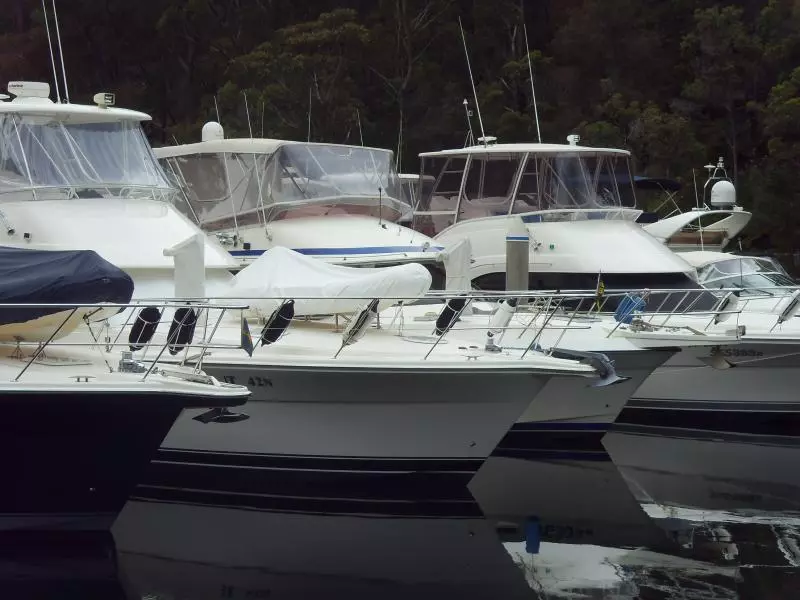 Several white motor yachts are located close to each other in a protected harbour off wooded shore.
Photo: Markus Lenk, dago Wiedamann
Several white motor yachts are located close to each other in a protected harbour off wooded shore.
Photo: Markus Lenk, dago Wiedamann
Choose the boat and charter style
Motor yachts, sailing yachts, catamarans and houseboats offer different space, handling and operating costs. A bareboat charter leaves the boat with a qualified crew, while a skippered charter includes a professional skipper. Check who is responsible for navigation, manoeuvring, safety and decisions about the route.
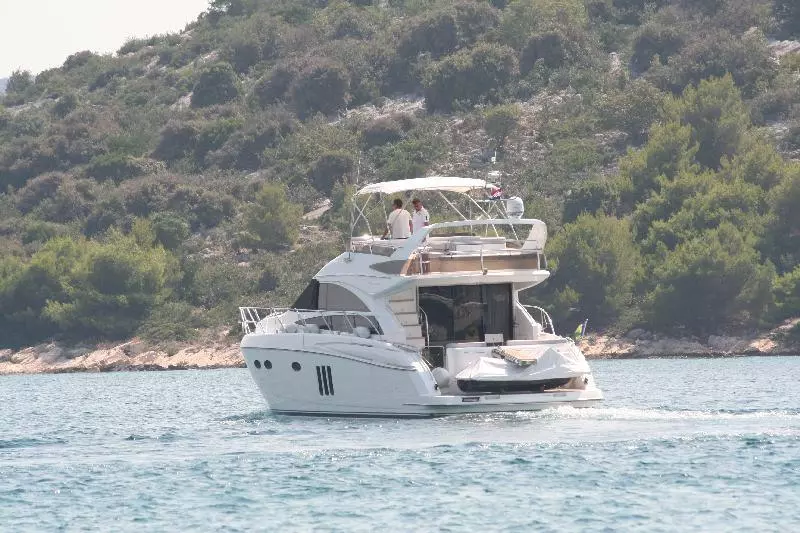 Match the boat to the number of travellers, sleeping arrangements, storage, draft, engine power and the conditions on the planned route. A boat that suits sheltered inland waters may not be appropriate for an exposed coastal itinerary.
Check qualifications and local rules
Licence and certificate requirements can vary with the country, boat, flag, engine power and sailing area. Ask the charter company which documents and experience it accepts, including any radio qualification. Verify the current rules for the specific waterway before booking; an introductory briefing does not replace a required licence.
Compare the destination and route
Check distances between harbours, mooring options, locks, bridges, fuel stations, shore access and seasonal restrictions. On coastal routes, allow for weather, swell and safe shelter. On inland routes, check operating hours and any bridge or lock schedules. Border crossings may require additional documents and should be confirmed before departure.
Review the contract and total cost
Compare the charter price with the deposit, insurance, excess, cancellation terms and damage arrangements. Ask which costs are included and which are charged separately, such as fuel, port or mooring fees, cleaning, bed linen, a tender, transit documents or transfers. Confirm the payment dates and return conditions in writing.
Document the handover
Walk through the boat with the charter company and record the inventory, safety equipment, fuel level, meter readings, visible damage and operating instructions. Keep the signed handover record and photographs. Before returning the boat, follow the agreed refuelling, cleaning and reporting procedure.
Prepare for a practical trip
Pack clothing for changing weather, non-slip footwear, personal medication and any required travel documents. Save emergency contacts and plan realistic daily distances. For supporting travel advice, see travel arrangements, houseboat holidays and secure booking guidance.
Questions before booking
Do I need a licence?
That depends on the boat and the sailing area. Have the applicable requirements confirmed for the exact charter.
What is a bareboat charter?
The boat is chartered without a skipper. The named crew takes responsibility for operating it and must meet the applicable requirements.
Which extra costs should I ask about?
Ask about fuel, mooring or port fees, cleaning, linen, transfers, transit documents, the deposit and any insurance excess.
Can the planned route change?
Yes. Weather, closures, technical issues and safe harbour availability can require a change of route.
