
Running and marathon holidays: training, races and recovery
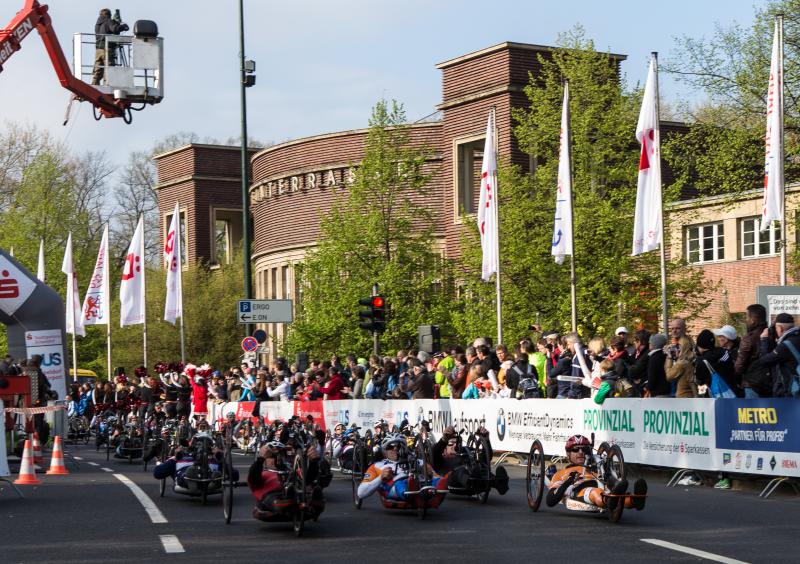 Road runners pass spectators and barriers during a race.
Running and marathon holidays can be a race trip, a structured training week or a relaxed active break. Route surface, elevation, climate, recovery and the distance to the accommodation should match the runner's goal.
Brief facts about running holidays
- Flat routes suit steady and tempo runs, while climbs are useful for specific hill training.
- Heat, shade, drinking water, surface and altitude affect the training load.
- Race trips require planning for registration, start time, travel, baggage and the return journey.
- A kitchen, shower, washing machine and quiet sleeping area support recovery.
- Non-runners need their own excursions and places to relax.
Training week or race trip?
Road runners often prefer predictable, well-lit routes with few interruptions. Trail and hill runners need to assess elevation, surface and technical sections. A region with several route lengths is more flexible than a destination built around one course, especially when the group runs at different speeds.
For a race, the accommodation becomes part of the schedule. Registration, race documents, breakfast, transport to the start, baggage drop-off and the return journey all need realistic timing. For a training week, several route options and a planned rest day matter more than being beside one event venue.
Choose accommodation for recovery
After a long run, a quiet bedroom, shower, kitchen, washing machine and room for wet clothing are more useful than a spectacular view. At an early start, short distances, a reliable train connection or an organised transfer may matter more than the exact straight-line distance.
Before booking, check parking, key collection, breakfast options, shops and the route back after the event. A holiday home can give a group flexible meal times and more space to recover.
Match climate and load
Heat, cold, wind and altitude can change the training effect. In summer, early or late runs, shade and drinking water may be preferable. In winter, ice, short daylight and wet surfaces can limit route choices. Check the local conditions daily and reduce the plan when necessary.
A rest day can include a hiking holiday, a short excursion or another low-intensity activity. Additional cycling or water sports should not automatically replace recovery.
Frequently asked questions
Is a marathon holiday suitable for beginners?
Yes, as a spectator trip or a gradual training break. For participation, the distance, climate, route and recovery plan should match the runner's current level.
Which routes are useful on holiday?
Flat circular routes suit steady running, while climbs suit hill training. Always check traffic, surface, lighting, water and the return option.
How close should the accommodation be to the start?
Short distances are helpful for early starts, but a reliable transfer or rail connection may be more important than the nominal distance.
What should the accommodation provide?
A kitchen, shower, washing machine, quiet sleeping space and room for kit are practical. Groups should also check sleeping arrangements and meal flexibility.
Photo: Dago
