
Hiking holidays: routes, regions and a practical base
Find accommodation
A successful hiking holiday depends on the route, the group's experience, the weather and the location of the accommodation. A holiday home can be a convenient base for drying shoes and clothing, preparing meals and planning the next walk.
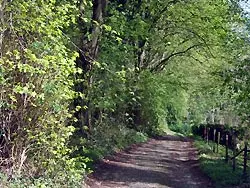 A hiking trail leads through a green landscape and stands as an image for a holiday on foot.
Photo: M. Lenk
Brief facts about hiking holidays
- Distance alone does not describe a walk; gradients, surface, exposed sections and walking time matter too.
- Check weather, closures and current trail conditions shortly before setting out.
- A fixed base suits circular walks, while a stage route requires different overnight stops and luggage planning.
- Maps, water, a charged phone and a realistic turnaround time are part of preparation.
- Families, dogs and less experienced walkers need routes and daily destinations that match their abilities.
Choose a fixed base or a stage route
A fixed base works well when you want to explore one region over several days. Look for route access, a bus stop, shops, a bakery and a practical place to dry wet clothing. A stage trip needs a plan for daily distances, luggage transfers and the connection to the next property.
In sports holidays, walking can be combined with other activities. A pilgrimage route such as the Camino de Santiago follows a different, stage-based travel pattern.
Select the region by difficulty
Low mountain areas can offer varied walks with manageable gradients, while the Alps provide everything from lakeside paths to demanding mountain tours. Valley accommodation is often easier for shopping and public transport; an elevated property may shorten the route to a viewpoint but can be harder to reach in poor weather.
Choose a region with several levels of difficulty if the group has different abilities. Around lakes, towns and larger villages, additional walks and rest-day activities can make the holiday more flexible. Current local conditions take priority over general seasonal expectations.
Plan routes and safety
Assess each walk by distance, ascent, surface, exposure and the group's experience. Mountain weather can change quickly, so include a realistic turnaround time and an alternative route. In thunderstorms, poor visibility or slippery conditions, shorten or cancel the walk.
Solid footwear, weather protection, water, food, first-aid supplies, a map and a charged phone are useful basics. With a dog, check leash rules, livestock, heat, water and house rules before setting out.
Check arrival and the property
Without a car, the start and end of the walk should be connected by bus or train. By car, check parking and the approach in winter or wet weather. A property in a village may simplify shopping and evening meals, while a quieter location may offer better access to the countryside.
Compare the travel season with the intended routes. Before booking, review the location, parking, drying facilities, shops and cancellation conditions. The guidance on safe holiday-home rental can help with the booking process.
Frequently asked questions
How do I find a suitable hiking region?
Compare gradients, route types, transport, services and the longest planned day. A region with several difficulty levels leaves more room to adapt.
Is a holiday home directly on the trail always best?
No. A property in a village may offer better shopping, bus connections and restaurants. The important point is that the planned route can be reached without an excessive transfer.
What matters when walking with children?
Shorter distances, safe sections, regular breaks and an appealing destination matter more than maximum mileage. Check gradients, exposed sections and the route back.
Can I hike with a dog?
Yes, when the route, temperature, water supply and leash rules are suitable. Additional rules apply near livestock and in nature reserves.
