
Tenerife
Find accommodation
Tenerife at a glance
Tenerife offers volcanic landscapes, beaches and historic places within a relatively small area, but the island is not uniform. Decide first whether the stay is mainly about swimming, walking, city visits or a mixture. The best holiday-home location depends on that choice and on how much time you want to spend on the road.
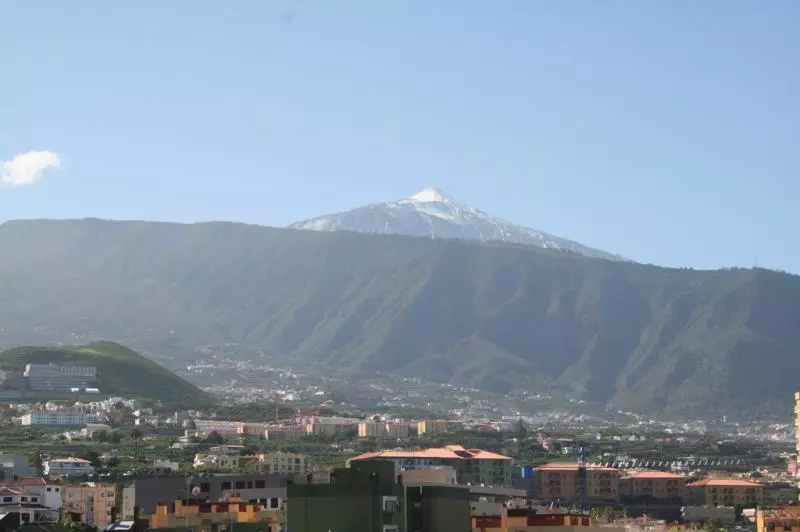 View of the volcano Teide over an urban landscape in Tenerife.
Photo: Dago
View of the volcano Teide over an urban landscape in Tenerife.
Photo: Dago
- Tenerife combines contrasting coasts, the Teide, laurel forests, historic towns and very different resort areas.
- The north is generally greener and more varied for culture and nature; the south has many sunny resorts and beach services.
- Teide National Park involves high altitude and changing weather; access and visitor rules should be checked before travelling.
- A hire car is useful for the park, Anaga and smaller places, but is not essential for every beach-focused stay.
- Check slope, parking, pool, sun exposure and daily travel time when choosing a property.
Regions and travel styles
Santa Cruz de Tenerife and La Laguna suit culture, museums, food and city services. Puerto de la Cruz is a useful base for the greener north and the Orotava area. Costa Adeje, Los Cristianos and Playa de las Américas offer many beaches, restaurants and leisure facilities. Los Gigantes adds striking cliffs and boat excursions, while Teide National Park is a separate mountain destination with colder air, clouds and altitude.
The two airports serve different parts of the island: Tenerife South is close to many southern resorts, while Tenerife North is convenient for Santa Cruz and La Laguna. The island holiday comparison helps compare Tenerife's coast, mountain and city options.
When to go
Tenerife can be visited throughout the year. The south is often drier and sunnier, while the north can be cloudier and greener. Spring and autumn are often comfortable for excursions, but conditions at the Teide can differ sharply from the coast. Check travel times alongside local events and current attraction information.
Arrival and mobility
A hire car gives flexibility for Teide, Anaga and viewpoints; buses work well for some city and resort stays. Allow realistic time for steep roads, parking and the distance between north and south. For a property on a hillside, confirm access and parking before booking. Practical questions about keys, luggage and the first journey are covered in arrival and departure planning.
Choosing a holiday home
Beach-focused families may prefer southern services and short routes to the sea. Guests interested in walking or local life may prefer the north or a smaller inland town. Check shade, safe outdoor areas, pool arrangements and storage for walking equipment. Compare cleaning, deposit, tourist tax, heating or air-conditioning and hire-car costs with the rental price. Further guidance is available in renting a holiday home and additional costs.
Frequently asked questions
North or south?
The south often suits sunshine and resort facilities; the north is usually more varied for greenery, culture and access to the island interior.
Is Teide suitable for every day trip?
Altitude, weather and access need to be considered. Conditions can be much colder and less predictable than at the coast.
Do you need a car?
A car is practical for several regions and Teide, but not essential for well-connected resorts or a city-based stay.
