
Gran Canaria
Find accommodation
Gran Canaria at a glance
Gran Canaria is often described as a continent in miniature because its landscapes change over short distances. The south is known for beaches and dunes, Las Palmas combines city and coast, and the interior offers ravines and mountain villages. Choose a holiday home for the way you want to spend your days, not only for the nearest beach.
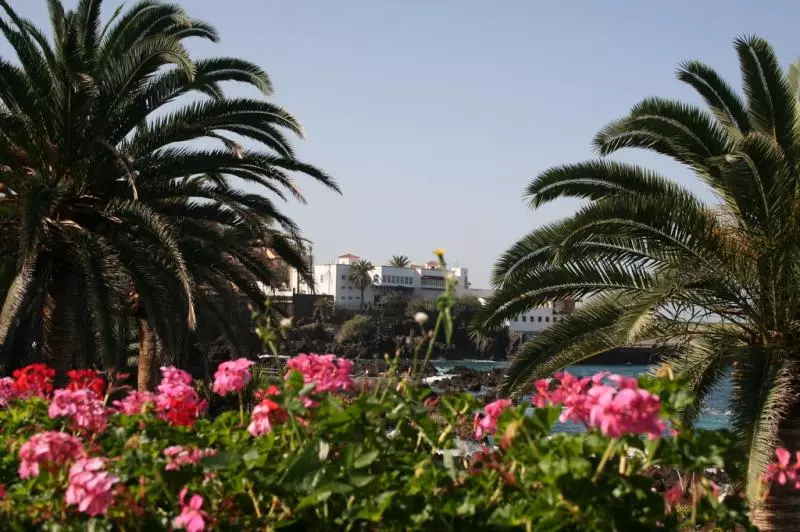 Coastal cliffs with palm trees and white buildings as a symbolic image for the Canaries.
Photo: Dago
Coastal cliffs with palm trees and white buildings as a symbolic image for the Canaries.
Photo: Dago
- Gran Canaria combines southern beaches and resorts with Las Palmas, mountain villages and varied inland landscapes.
- Maspalomas, Meloneras and Puerto de Mogán suit different beach and resort styles; Las Palmas adds city life, culture and Las Canteras beach.
- The interior is cooler and reached by winding roads, so driving times should be planned realistically.
- A hire car is useful for mountain villages and viewpoints, but is not essential for a beach-focused stay.
- Before booking, check wind, shade, pool, parking and the distance to shops and evening activities.
Regions and travel styles
Las Palmas suits city breaks, culture and the urban beach at Las Canteras. Maspalomas and Meloneras offer dunes, promenades and extensive services, while Puerto de Mogán has a smaller harbour setting. Tejeda, Artenara and the routes around Roque Nublo are better suited to mountain scenery and require more time on the road. The north, including Agaete, is generally greener and less resort-focused than the south.
If you want to combine city, beach and mountains, compare the daily travel time from each possible base. A location that is convenient for one part of the island may be less practical for another. The island holiday comparison helps put these different travel styles into context.
When to go
Gran Canaria can be visited throughout the year. The south is usually drier, while the north and mountains are more exposed to changing weather. Coastal conditions do not necessarily reflect conditions inland, so check wind and temperature before a mountain excursion. Outside the busiest periods, accommodation may be easier to find, while some restaurants and excursions operate reduced schedules. See travel times when comparing school holidays and local events.
Arrival and mobility
The airport is in the east of the island. Allow extra time when travelling to the south, north or mountain areas. A hire car offers the most flexibility for inland routes; public transport can be sufficient for stays centred on Las Palmas. For a remote house, confirm road access, parking, shopping options and the journey after dark. The practical points are covered in arrival and departure planning.
Choosing a holiday home
Families may prefer easy beach access, a kitchen and shade. Walkers should consider elevation, road access and a realistic return journey. For summer stays, check ventilation, outdoor shade and pool arrangements; for dog travel, confirm local beach rules and the host's conditions. Compare cleaning, deposit, tourist tax and hire-car costs with the advertised rental price. More guidance is available in renting a holiday home and additional costs.
Frequently asked questions
Which part of Gran Canaria is best for beaches?
The south has many beaches and services, but the right base also depends on wind, noise and the exact beach you plan to use.
Is Gran Canaria warm in winter?
Coastal areas are often mild, while wind and temperatures can change quickly in the mountains.
Do you need a car?
A car is usually the most flexible option for mountain villages and viewpoints, but not essential for a stay in Las Palmas or a resort.
