
Crete
Find accommodation
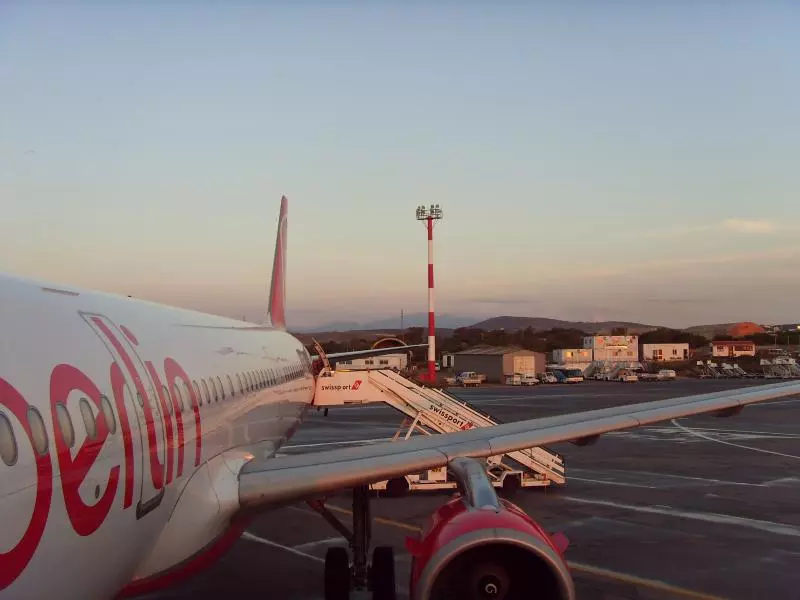 Aircraft at Heraklion Airport at dusk
Photo: Markus Lenk
Aircraft at Heraklion Airport at dusk
Photo: Markus Lenk
Crete at a glance
- Crete combines cities, archaeological sites, beaches, mountains and long distances between regions.
- Chania and Heraklion are important city and arrival bases; the south is often quieter and more remote.
- Balos, Elafonisi, Samaria Gorge and other major destinations need realistic travel and return plans.
- A hire car helps with beaches, villages and several regions, but parking and access must be checked.
- Shade, water, shops and the route to the coast are important when choosing accommodation.
- Spring and autumn often suit walking and sightseeing better than the hottest summer weeks.
Choose the region first
Chania in the west combines an old town, harbour and access to western beaches and landscapes. Rethymno offers a historic centre with seaside resorts to the east and west. Heraklion works well for museums, Knossos and central connections, while Agios Nikolaos, Elounda and the Lassithi area provide a different eastern base.
The south offers dramatic coastlines and quieter places, but usually fewer continuous services and longer journeys. If several regions are on the itinerary, two bases may be more comfortable than daily crossings of the island. A city-focused stay may suit city trips with a holiday apartment; beach and nature trips need practical access and manageable daily routes.
Beaches, gorges and historic places
Crete’s main attractions are spread across the island. Chania, the Venetian harbour, Heraklion and Knossos can form cultural days. Balos and Elafonisi may require long journeys, seasonal traffic and careful parking arrangements. Samaria Gorge and other mountain walks need suitable footwear, water, weather checks and a reliable return plan.
Do not judge a route only by its distance on a map. Heat, winding roads, queues and the return journey can change the day considerably. Travellers who want both western and eastern highlights should allow enough nights or choose two carefully placed bases.
Season and arrival
July and August are hot and busy. Spring and autumn often suit hiking, archaeological visits and sightseeing, while the mountains can remain cooler and windier. The airports at Heraklion and Chania are the main arrival points, with ferry connections to mainland Greece and other islands. Check the final route from the airport or port, including key handover and parking.
Travel times help compare school holidays and seasonal opening hours. Arrival and departure guidance covers the practical first and last day.
Choose accommodation for the itinerary
Families should compare shade, kitchen facilities, sleeping arrangements and an accessible beach or pool. Hikers need storage and a practical route to trailheads. A hire car makes remote beaches and mountain villages easier, but the property must have workable access and parking. Near an old town, a central location may save walking time while making parking more difficult.
Compare cleaning, deposit, energy or air-conditioning charges, vehicle hire and fuel alongside the rent. Travelling with a dog requires permission, suitable beaches and local nature rules. More planning criteria are available for island holidays, holidays in Greece and additional costs.
Frequently asked questions
Which region suits families?
Well-served seaside areas can be practical, but check the exact beach access, shade, sleeping arrangements and shops rather than choosing by region name alone.
Is Crete suitable for hiking?
Yes. Spring and autumn are often comfortable, but gorges and mountain paths require appropriate equipment, water and a realistic return plan.
Do I need a car?
A car is useful for several regions, remote beaches and mountain villages. It may be unnecessary for a city-based stay with good local transport.
When is the best time to visit?
Summer suits many beach trips; spring and autumn often offer more comfortable conditions for sightseeing and walking.
