
Surfing and kitesurfing holidays
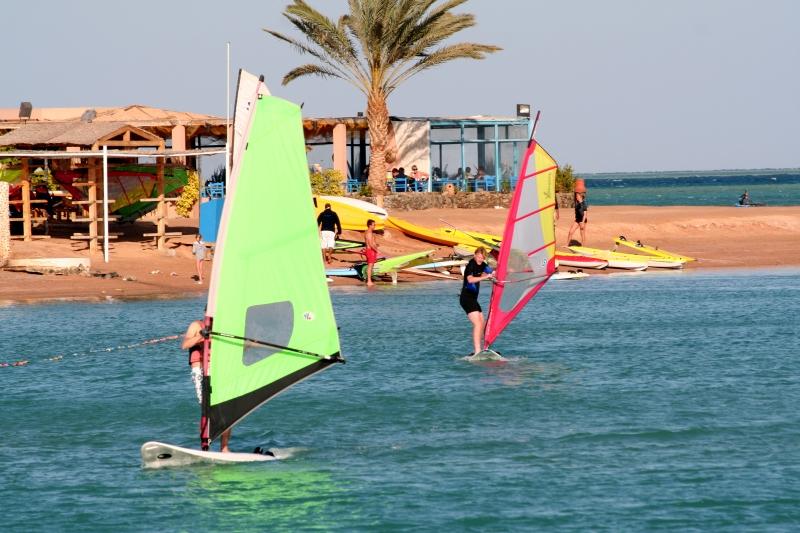 Windsurfers with colorful sails in a coastal area; Symbolic image for surfing and kitesurfing holidays.
Quick facts for planning
- Surf and kitesurfing spots differ in wind, waves, currents, entry and crowding.
- Beginners need suitable instruction and conditions that match their level.
- Swimming, surfing and nature-protection zones have local rules.
- Secure storage, drying space and an outdoor rinse point influence accommodation choice.
- Tides can change access, water depth and the usable area.
- Thunderstorms, dangerous surf and strong conditions are reasons to stay on land.
A surfing or kitesurfing holiday works when the spot, skill level, forecast, equipment and accommodation fit together. A famous beach is not automatically suitable for beginners, and a property close to the water is of limited use if equipment cannot be stored safely.
Choose the spot by skill and sport
Compare entry, surface, wind direction, wave character, current, training areas and permitted launch zones. Beginners should prioritise qualified instruction and clear, manageable conditions. Experienced riders may seek stronger wind or waves but still need to check local zones, bathers, boats and seasonal restrictions. Choose by the actual beach and forecast pattern rather than by a country name alone.
Plan around wind, waves and tides
Use current local information and a reliable forecast to choose sports windows. On tide-dependent coasts, the beach and access may change during the day. Keep cycling, a harbour visit, a museum or a local walk for calm conditions. Never allow the wish for one session to override storm warnings, closed areas or personal limits.
Check the holiday home for equipment
Ask about lockable storage, drying facilities, an outdoor rinse point and whether wet equipment is allowed inside. Easy-care floors, parking and a short route to the spot save time. After a long session, a quiet bedroom, kitchen and comfortable living space matter. Families should also have a safe, attractive alternative for people who are not taking part.
Organise arrival and bulky luggage
By car, compare roof-rack security, parking and the route from the parking space to the water. By rail or transfer, check rules for boards, sails, kites and bags, or compare local rental. On islands, add ferry and transfer planning. Arrange key collection, equipment transport and a weather backup together. Travel preparations helps organise clothing, documents and equipment.
Respect safety zones and nature
Swimmers, boats and sports users share the coast. Keep distance, follow launch and landing rules and use only permitted areas. Respect dunes, nesting areas, closed beaches and marked nature reserves. Beginners should use appropriate instruction and stop when conditions exceed their ability. Beach-holiday planning provides wider criteria for accommodation and recovery days.
Questions before booking
Is a well-known surf spot suitable for beginners?
Not necessarily. Check entry, currents, wind, waves, training and local safety arrangements.
Should I bring all my equipment?
Compare transport rules, storage and local rental before deciding. Bulky equipment changes the arrival plan.
What does the holiday home need?
Secure storage, drying space, an outdoor rinse point, parking and a practical route to the spot.
What happens on a calm or stormy day?
Keep a cycling, harbour, museum or local walking plan. Do not enter the water when conditions or warnings make it unsafe.
Photo: dago
