
Beach holidays in the Mediterranean
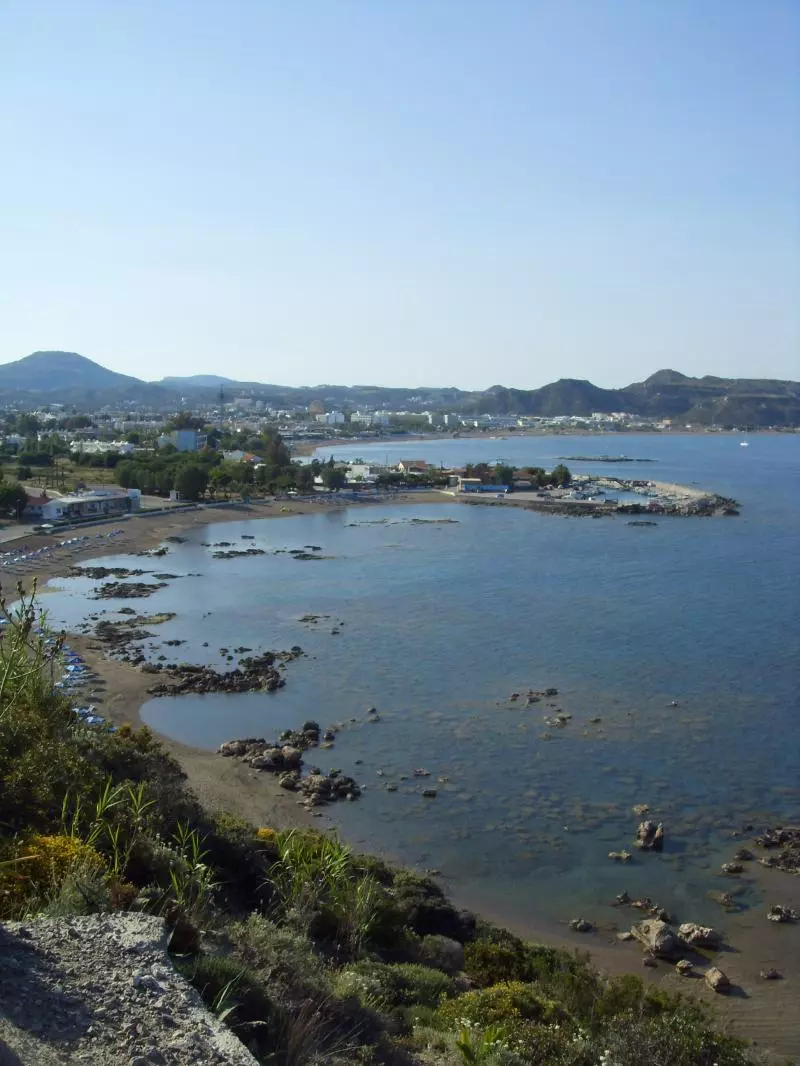 View of the coast at Faliraki on Rhodes with flat shore and bays.
Quick facts for planning
- The Mediterranean coast includes sandy beaches, shingle, rocks, coves and steep shorelines.
- Shade, drinking water, ventilation and a sensible daily rhythm matter in hot weather.
- A sea view does not confirm easy beach access, quiet nights or a short route to shops.
- Air conditioning, shutters, a kitchen and a shaded outdoor area should be checked room by room.
- June and September may offer a different balance of heat and visitor numbers, depending on the region.
- Parking, energy, cleaning, tourist tax and pool use can affect the total cost.
A Mediterranean beach holiday is easier to enjoy when the coast and accommodation fit the same pace. A family may need a gently sloping beach and a quick return at midday; a couple may prefer a smaller bay and evening restaurants; guests with limited mobility need reliable paths and facilities at the chosen beach.
Compare beaches by access
Sandy beaches can be easier for children but busy in peak season. Pebble beaches and rocky coves can offer clear water and attractive scenery, yet steps, slippery stones or waves may make entry difficult. Check the route from the car park or bus stop, shade, toilets, showers and a place to take a break. Local beach conditions should be confirmed for the specific resort.
Build the day around heat
An early beach visit, a longer shaded break and a later walk or meal are often more comfortable than direct sun all day. Carry enough water and use suitable sun protection. For children and older travellers, include seats, toilets and a realistic route back. A second bay is worthwhile only when driving time, parking and the return in hot weather remain manageable.
Choose accommodation for sleeping comfort
Check which bedrooms have air conditioning or effective shutters, whether use is included and how energy is billed. A well-equipped kitchen, fridge, washing machine, fly screens and a shaded outdoor space can be more useful than a decorative view. If you travel without a car, map the route to the supermarket, beach, bus stop and pharmacy. Renting a holiday home provides a checklist for equipment, payments and house rules.
Combine beaches with local life
Coastal towns can add markets, historic centres, ports and evening restaurants, while the hinterland may offer quieter walks. Islands require extra planning for ferries, luggage and arrival times. A nearby beach, a shady village visit or time at the house may give a better balance than a long drive every day.
Check mobility and bathing conditions
Rock platforms, currents, sea urchins, boat traffic and slippery entrances require attention. Follow flags, barriers and local instructions, and supervise children closely. For an accessible trip, ask about paved routes, ramps, accessible toilets and the distance between parking and the water.
Compare the real total price
Check energy or air-conditioning charges, parking, tourist tax, deposits, pool rules and transfer costs. A rental car may add fuel, tolls and parking. Confirm the address, bedrooms, cooling arrangements, final price and cancellation conditions before payment. Low-season beach holidays can be a useful comparison.
Questions before booking
Is every Mediterranean beach suitable for children?
No. Check slope, surface, shade, waves, toilets and the route back at the specific beach.
Do I need air conditioning?
Confirm the rooms covered, operating rules and any additional charge.
Can I travel without a car?
Yes in some towns. Check public transport, shopping, beach access and excursions together.
Photo: Markus Lenk
