
Beach holidays on the Baltic Sea
Find accommodation
Quick facts for planning
A Baltic Sea holiday works best when the coast, accommodation and daily route are chosen together. A lively resort suits guests who want short distances to restaurants and shops; a natural beach or Bodden location may offer more space and quiet but often requires a bicycle or car.
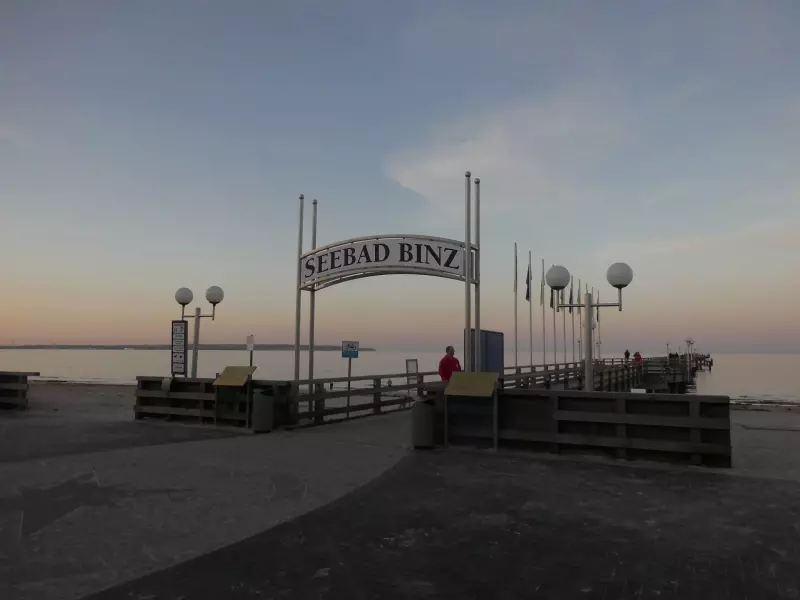 Pier and beach access in Binz on Rügen as an image for a Baltic Sea holiday.
Photo: Bernd Hermann
Pier and beach access in Binz on Rügen as an image for a Baltic Sea holiday.
Photo: Bernd Hermann
- Rügen, Usedom, Fischland-Darß-Zingst and Lübeck Bay offer different beaches, landscapes and travel patterns.
- Promenades are convenient for cafés and evening walks, while quieter locations usually need more cycling, driving or public transport.
- Beach access may include steps, boardwalks, soft sand or longer paths through dunes.
- Sea bridges and coastal views do not automatically mean barrier-free access to the water.
- Wind, water temperature and seasonal opening times can change the day plan.
- Tourist tax, parking, bedding, cleaning and local transport may be charged separately.
Choose the right coastline
Rügen combines seaside resorts, Bodden landscapes and dramatic coastal scenery. Usedom ranges from busy imperial resorts to quieter sections, while Fischland-Darß-Zingst is known for long beaches, dunes and nature-focused days. Lübeck Bay offers resort infrastructure in some places and a broad choice of accommodation. Compare the actual beach section rather than choosing by island name alone: check sand, shade, toilets, shops, walking distances and the route back to the house.
Check beach access before booking
Ask for the precise address and route to the beach. A short distance on a map may include stairs, a steep path, a busy road or soft sand. Families may prefer a broad beach with toilets and a short return route. Guests with limited mobility should ask about paving, gradients, beach access mats and accessible facilities at the specific resort. For cyclists, safe storage and a route away from busy promenades can matter more than a sea view.
Match the holiday home to the routine
A promenade location makes spontaneous meals and evening walks easy, but may be busier in high season. A house in the hinterland can offer a garden and quieter nights, with a longer journey to the beach. Check heating, kitchen equipment, washing machine, bicycle storage, parking and a place for wet towels. Safe holiday-home rental guidance helps compare contracts and extra costs.
Plan travel and alternative days
Many resorts can be reached by train and bus, although the final journey to a rural property needs checking. Confirm parking and seasonal restrictions before arrival. May, June and September can suit walking and cycling, but water temperature and weather vary. Keep an indoor alternative ready: a museum, swimming pool, local market or a relaxed day at the house. Travel preparations should include clothing for changing coastal weather.
Protect the coast
Use signed paths and observe local notices around dunes, cliffs, nesting areas and nature reserves. Wet boardwalks and exposed viewpoints need care after rain or in strong wind. Do not treat a breakwater as a bathing route. Check current local information for bathing areas, closures and supervised sections.
Questions before booking
Which area suits families?
Choose by access, shade, toilets, short return routes and nearby shops rather than a famous place name.
Can I travel without a car?
Often yes in connected resorts. For rural accommodation, check the final bus, taxi or cycling route and luggage options.
What extra costs matter?
Compare tourist tax, parking, cleaning, bedding, energy and pet or bicycle charges.
