
Accommodation in West Asia and the Middle East
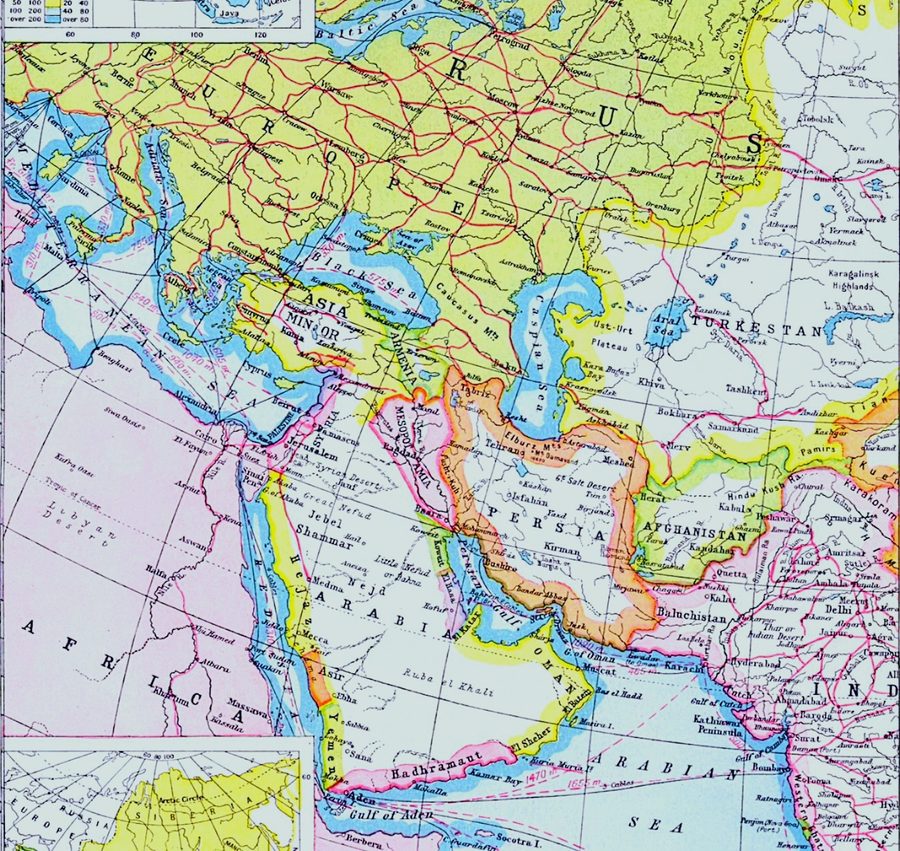
West Asia and the Middle East are presented in the featured destinations as a diverse travel region: deserts and mountains meet coasts, oases, historical cultural landscapes, markets, and modern cities. For your planning, the best starting point is therefore not looking for just any accommodation, but asking what kind of trip you want: should culture and city life be the focus, nature and landscapes, the coast, or a mix?
Brief facts about West Asia and the Middle East
West Asia and the Middle East overlap, but depending on the geographical definition they are not completely identical.
The landscape themes of the featured destinations include deserts, coasts, mountains, and oases.
Historical sites, religious and cultural buildings, fortresses, markets, souks, and modern cityscapes open up different approaches.
Aromatic spices and a wide variety of dishes are among the culinary themes associated with this travel region.
Distinguish landscapes and travel ideas
The landscape often determines which trip feels right for you. The examples presented range from desert and oasis experiences to mountains, modern metropolises, and coasts. You can classify mountain and cultural landscapes as separate country examples, for instance in Armenia, Azerbaijan, or Georgia. This is not a complete ranking of countries, but a first orientation for choosing a country: Do you want to experience nature above all, discover historical places, or combine city and landscape?
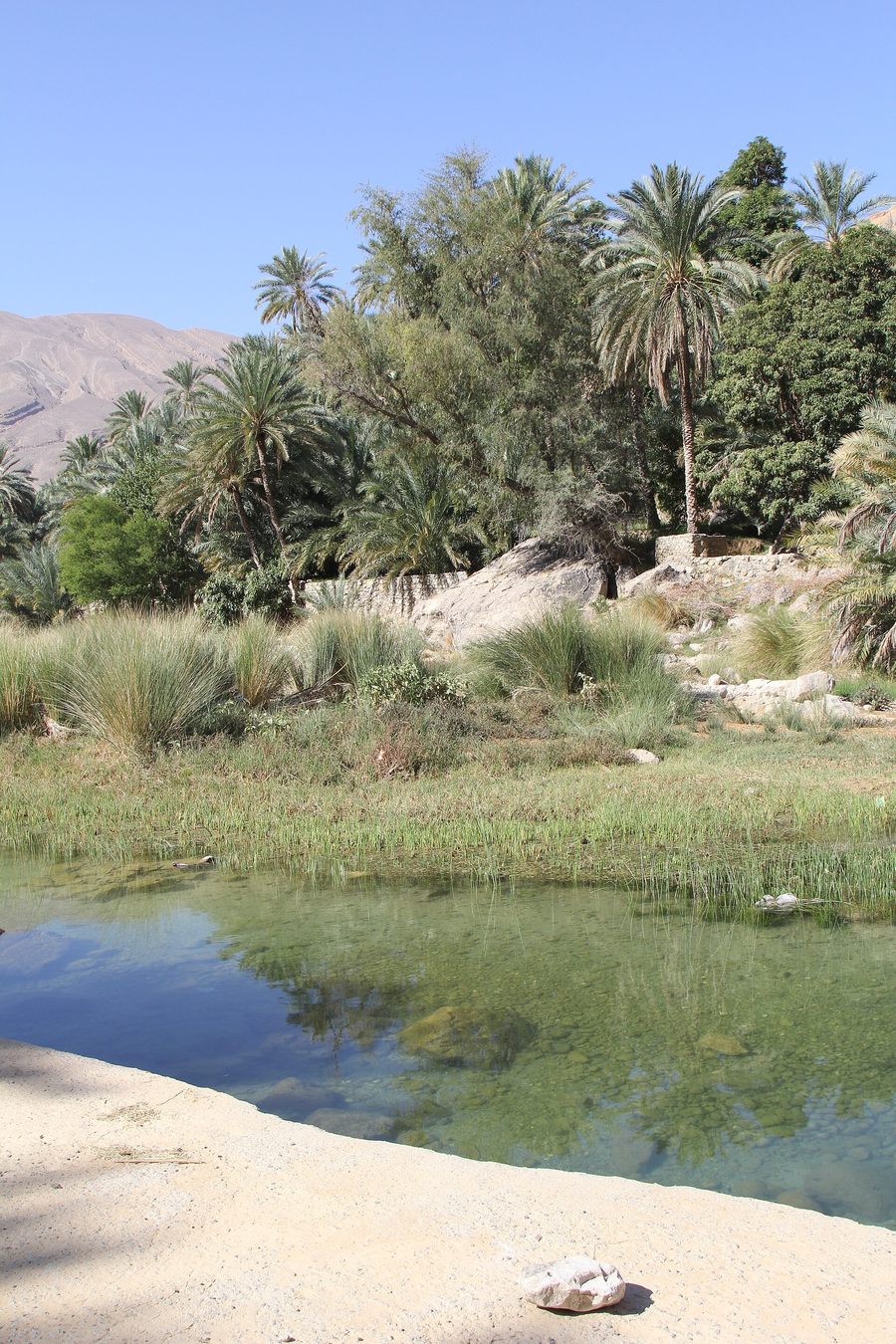
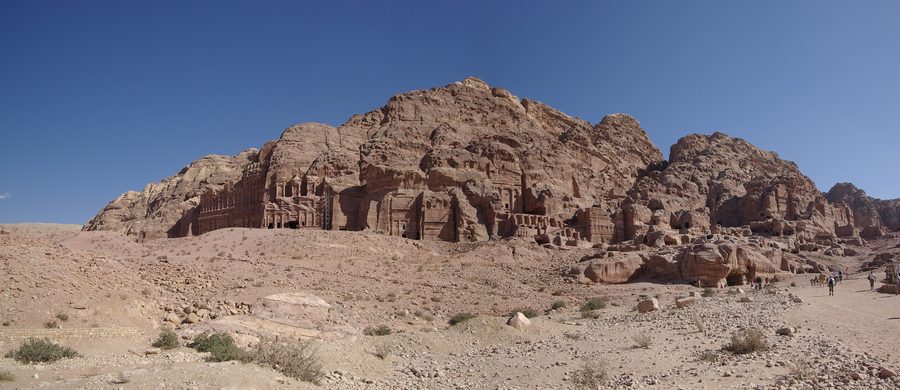
Oman is associated in the travel examples with deserts, rugged mountains, and green oases. Historical fortresses and traditional souks add culture and everyday life to this landscape character. Similar questions about desert, landscape, and travel character can serve as concrete checkpoints when choosing between Yemen and Saudi Arabia. Jordan stands in the examples for the combination of Petra as an important historical cultural destination with the desert landscape of Wadi Rum. In the United Arab Emirates, modern cityscapes, Abu Dhabi, Al Ain, desert landscapes, and cultural buildings come together.
If you define the focus, the later search can be narrowed down more precisely. A landscape experience such as desert, mountains, or oasis leads to different travel planning than a culture-oriented city trip. For a mixed trip with coast, landscape, and culture, Turkey can also be included as a country example in the consideration. The specific examples should always be assigned to the selected country and your own travel plan.
Experience culture, markets, and cuisine
Historical buildings, religious and cultural sites, markets, souks, and modern cityscapes offer different ways to shape a trip in content terms. Culture can form the thread running through a city trip or be integrated with landscape experiences into a mixed trip. For culture- and history-oriented considerations, Israel, Palestine, Lebanon, Syria, and Iraq can be considered separately as different country examples. You should assign specific sights to the respective country rather than viewing the entire region as homogeneous.
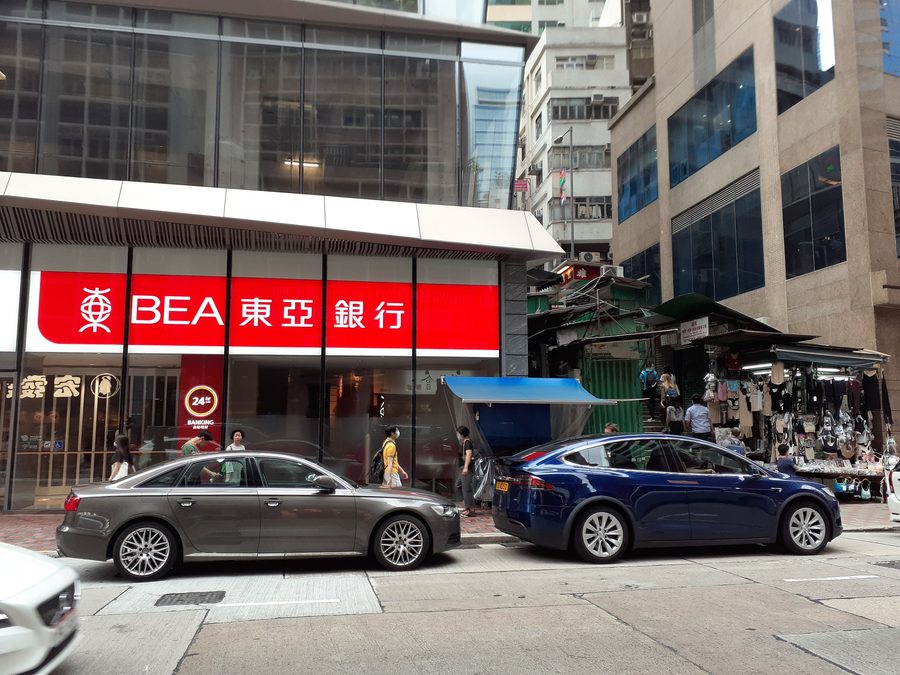
Markets and souks make local culture especially vivid. Spices, smells, and different dishes can turn a visit into an everyday discovery. Cuisine should be understood as a diverse regional theme, not as a uniform regional cuisine. If you want to check modern cityscapes and coastal connections for a city trip, the respective countries Bahrain and Qatar can be included as examples in the selection. If you are planning with different interests, cultural days can be alternated with nature, landscape, or quieter relaxation phases.
Match travel time and daily rhythm
The travel time should fit your desired focus on landscape and activities. For the United Arab Emirates, a hot, dry desert climate is described; according to the underlying travel example, November to March is considered the more pleasant travel period there. This information cannot be automatically transferred to all countries in West Asia and the Middle East. Even when traveling with a focus on coast and city, for example to Kuwait, you should compare the intended daily schedule with local conditions.
For concrete planning, it is therefore worth matching the travel time with the intended daily program: Which days are for culture and markets, when is the focus on landscapes, and how much flexibility do breaks and different interests require? You should also treat the number of people, desired accommodation features, self-catering, and pets as separate checkpoints for the specific offer, without assuming the region is generally suitable.
Choose the accommodation base according to the travel plan
With a travel idea that is still open, it makes sense to start with the country. Then refine the selection by region and place before comparing individual accommodations. In this way, the character of the trip remains decisive instead of any random offer dictating the planning.
Whether a central, quiet, rural, coastal, or city-near location is suitable depends on your planned daily structure and the experiences you want. A general statement about distances or means of transport cannot be transferred to this diverse travel region. If mobility is crucial for your trip, treat it as a specific checkpoint for the chosen country, region, and place.
Before making an inquiry, compare the location, amenities, number of people, price components, and other offer details with your travel plan. This way, even on a trip with different interests, you keep an eye on the points that matter for daily rhythm, breaks, and meals. Statements about prices, availability, or specific features of individual accommodations do not arise from this overview page.
Your selection in three steps
Start with the character of the trip: culture and city, nature and landscape, coast, or a mixed trip. Then assign a suitable country example, such as Oman for the combination of desert, mountains, oases, and souks, or Jordan for the combination of Petra and Wadi Rum. In the examples, the United Arab Emirates stand for modern cityscapes, desert, Al Ain, and cultural buildings. Then choose the region and place so that the accommodation location fits your planned daily routine, and check the features of the specific offer.
Frequently asked questions about West Asia and the Middle East
What makes West Asia and the Middle East particularly diverse as a travel destination?
Depending on the definition, the terms cover different countries. The featured destinations combine deserts, coasts, mountains, oases, historical sites, markets, and modern cities with very different travel ideas.
Which travel ideas can be combined in the region?
Culture and history can be combined with desert, mountains, oases, coast, markets, and regionally different cuisines. Which focuses fit together depends on the selected country and your travel plan.
What role does travel time play?
Travel time should be matched to the focus on landscape and activities. For the United Arab Emirates, November to March is mentioned as the more pleasant period; this information does not automatically apply to the entire region.
How should accommodation searches for this macro-region begin?
First define the country, then the region and place. Then compare location, accommodation features, number of people, price components, and other offer details with your travel plan.


.jpg)


.jpg)