
Accommodations in West Africa
West Africa is not a uniform travel destination, but a diverse selection of Atlantic coastlines, island regions, cities, rainforest and savanna. That is exactly what makes it so appealing: if you first decide which experiences are meant to shape your trip, it becomes easier to then choose which country and which accommodation location suit your travel pace.
Key facts about West Africa
Landscapes: The regional spectrum ranges from savannas and rainforest to Atlantic beaches and island regions.
Travel access: Coast, islands, cities, natural areas and cultural spaces open up different travel profiles.
Culture: History, crafts, architecture, spiritual traditions, markets and modern cultural events are among the possible focal points.
Nature: National parks, bird sanctuaries and wildlife viewing complement coastal, urban and cultural experiences.
Cuisine: Regional cuisines combine local traditions with historical Arab, North African and European influences.
Landscape diversity: coast, islands, rainforest and savanna
Anyone getting to know West Africa through its landscapes can choose between very different travel ideas. Atlantic beaches stand alongside open savannas, rainforest and natural areas. Cities and island regions also form their own access points to the region. Cape Verde, as a West African island state, is a clearly distinguishable island destination. For trips with a strong coastal focus, countries such as The Gambia or Guinea-Bissau can also be considered as country profiles with an Atlantic connection; many other countries in the region are also located on the Atlantic coast.
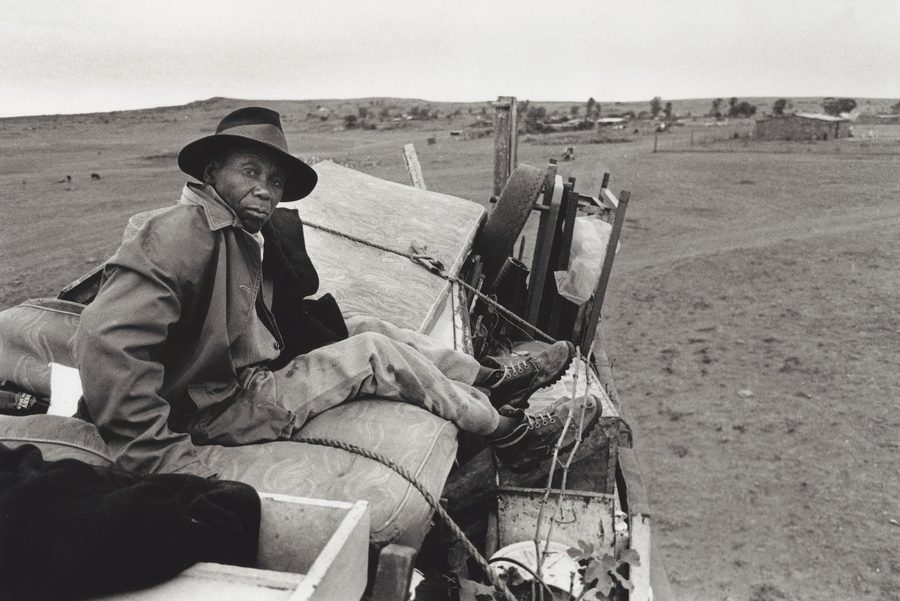
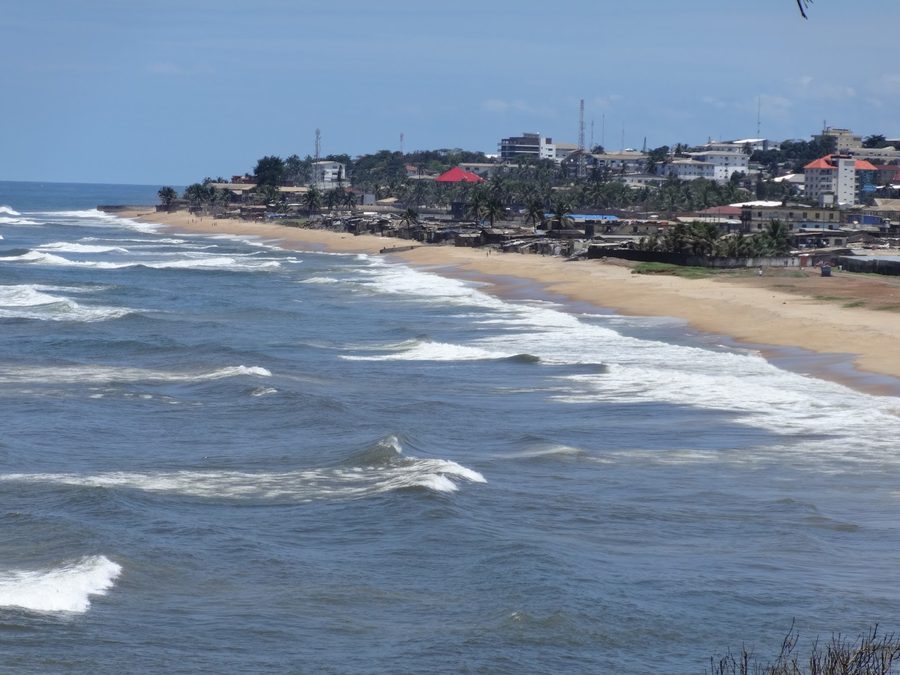
For planning, this means that accommodation on the coast or on an island suits a different travel idea than a base from which nature and cultural regions are meant to take center stage. The key question is whether you are looking more for the sea and island atmosphere, landscape exploration, wildlife viewing or a combination of several themes. Senegal can be used as a country profile when weighing up coastal areas, cities and other regional travel interests.
Experience nature and understand culture
National parks, bird sanctuaries and wildlife viewing expand the picture of West Africa beyond beach and city. They can shape a nature trip or, together with historical and cultural impressions, form a varied route. Species, sightings or concrete activities cannot be inferred from this in general terms, but nature motifs do help to define the desired focus early on. For such a selection, the country profiles of Burkina Faso, Mali and Mauritania, for example, can be examined separately.
Cultural access is just as varied: historical kingdoms, traditional crafts, mud architecture and long-standing traditions are described as important themes in individual areas. Markets, modern art and festivals complement these perspectives. For a shared trip, this can be interesting if not all family members are looking for the same focus: landscapes and nature can be combined with history, crafts or urban impressions. Ghana and Nigeria can serve as different country profiles for research into urban and cultural travel interests.
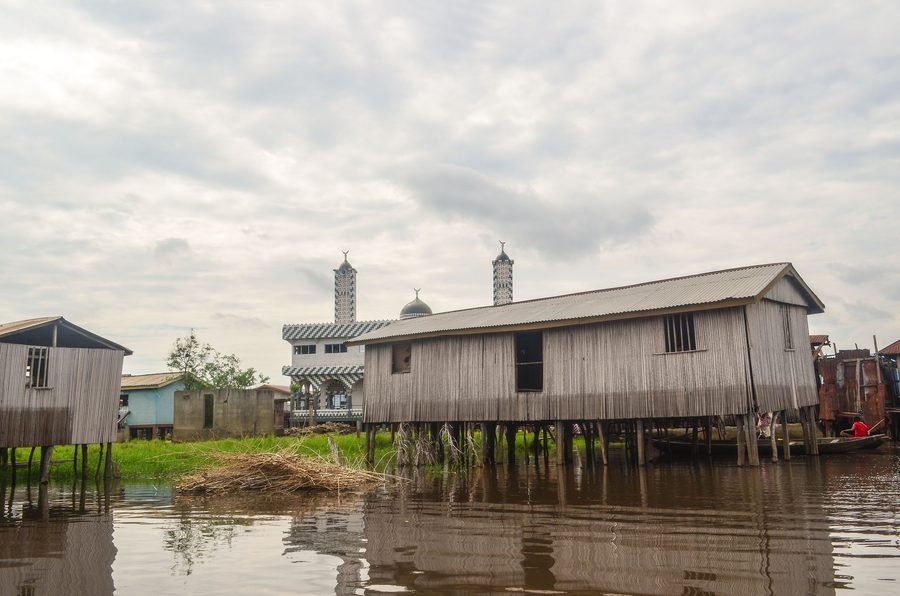
A concrete example is Ganvié in Benin: the stilt village on Lake Nokoué is associated with a way of life traditionally shaped by fishing and with a floating market. It does not stand for all of Benin or West Africa, but it shows how distinctive local settings can shape a trip culturally.
Choose West Africa according to travel interests
Instead of judging countries too quickly, it is worth making a selection based on the desired style of travel:
Coast and islands: Anyone looking for Atlantic regions, beaches or island experiences can take this preference into account already when choosing a country. Cape Verde offers the clearly documented island motif; coastal regions can also be found in many other parts of the region. For a comparison of coastal travel profiles, you can examine Sierra Leone and Guinea individually, for example.
Nature and landscape: Rainforest, savanna, national parks and bird sanctuaries speak for a trip in which nature observation and landscape exploration get more space. This can be combined with cultural or urban experiences without any particular route having to be considered the generally best one.
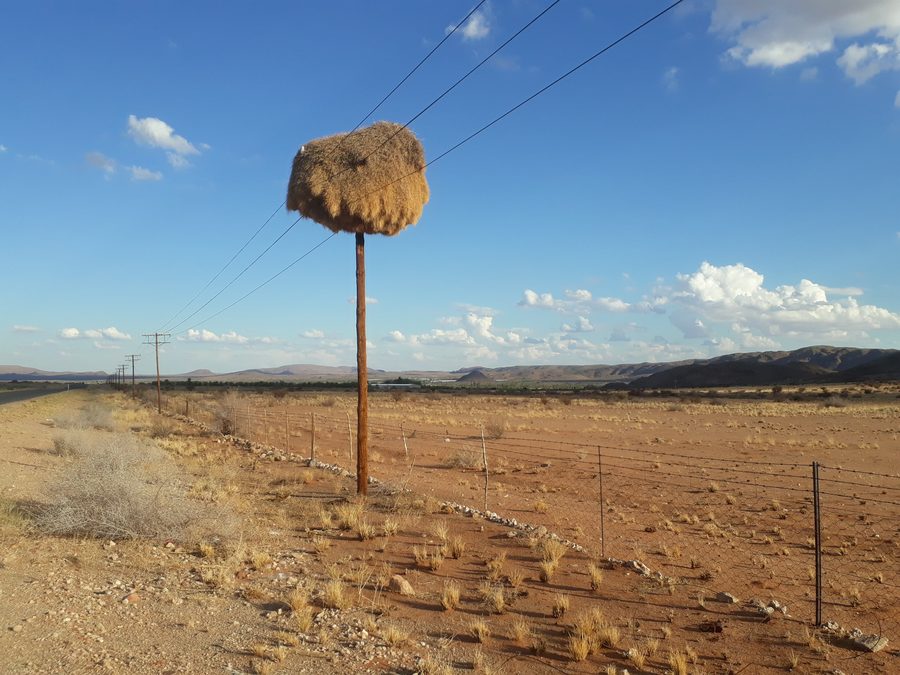
Culture and history: Historical kingdoms, crafts, architecture, spiritual traditions and modern cultural events form a distinct focus. If you are looking for these themes, you should choose countries and places according to which cultural examples actually take center stage in your own travel planning. The profiles of Ivory Coast and Togo can be included in this country-by-country selection.
Cities, markets and cuisine: Markets and regional ways of life also make West Africa vivid beyond the classic landscape motifs. The cuisine is regionally diverse. Millet, okra, pepper, sesame, coconut and yams are mentioned as examples of the connection with local staple products, without allowing any particular dish or regional availability to be inferred from this.
Choose the right accommodation base for your experience focus
Accommodation should be chosen not only according to the name of a country or region, but according to the experience that is at the center. A location on the coast, in a city or in a natural area can suit a different travel plan in each case. Therefore, first check whether you are mainly looking to combine coast, city, nature, culture or several of these focal points. A coastal or island connection can be just as decisive as proximity to natural and cultural areas.
If several worlds of experience matter, there is also the question of whether to choose a single base or several stages. A single accommodation can suit a deliberately slow stay; multiple locations may make sense in the planning if coast, nature and culture are to be taken into account equally. You should plan specific distances, travel times and means of transport separately for each selected country and the places you intend to visit.
Frequently asked questions about West Africa
What travel ideas does West Africa offer for families with different interests?
West Africa offers different access points: coast and islands, natural areas and wildlife viewing, cities and markets, as well as history, crafts and regional cuisine. Organize the choice of country according to the desired focus rather than assuming a blanket assessment for families.
What distinguishes a coastal or island trip from a culture and nature route?
Coastal and island regions set different priorities than continental routes with natural areas, cities, history and cultural traditions. Cape Verde is a clear example as an island state; you should consider further country profiles individually.
What role do markets, traditions and cuisine play on a trip to West Africa?
Markets, crafts, historical and spiritual traditions, and regional ingredients open up an everyday and cultural perspective. Ganvié in Benin is an example of a way of life connected with fishing and a floating market.
Start your search with the travel picture you want: coast and islands, nature and wildlife viewing, culture and history, or a mix of these. Then you can decide more specifically which country and which accommodation base suit your family rhythm and shared interests.


.jpg)
.jpg)

