
Accommodations in Southern Europe
Southern Europe is a travel region for families who do not want to choose between sea, landscape, history and good food. Sunny coasts meet hills, mountains and valleys; in addition, there are ancient ruins, medieval castles and villages, as well as regional cuisines with their own specialties. Before choosing a holiday apartment or holiday home, it is therefore worth asking a basic question: Should the holiday consist mainly of beach days, focus on historic places, or combine several impressions as a round trip?
Brief facts about Southern Europe
Landscape: Southern Europe combines sunny coasts with hills, mountains and valleys. Culture: Ancient ruins, medieval castles and villages shape the historical character of the travel region. Culinary: Mediterranean cuisine and regional specialties make markets, meals and local routines a distinct part of the trip. Types of travel: Coastal holidays, culture-oriented trips and round trips can be weighted differently depending on the desired daily rhythm. Family time: A Mallorca example shows that spring and autumn can be more pleasant for families at the beach than a hotter or busier peak season.
A travel region with many faces
The special appeal of Southern Europe lies in the change of impressions. One day can be shaped by the coast, another by landscapes inland or by historic places. The combination of sea, hills, mountains and valleys thus opens up different holiday rhythms: families can combine swimming time with landscape experiences, plan culture-oriented days or design a trip with several stops. For an overview of different landscape areas, the choice ranges from the coastal and island-dominated destinations Portugal and Spain to the mountainous small state Andorra.
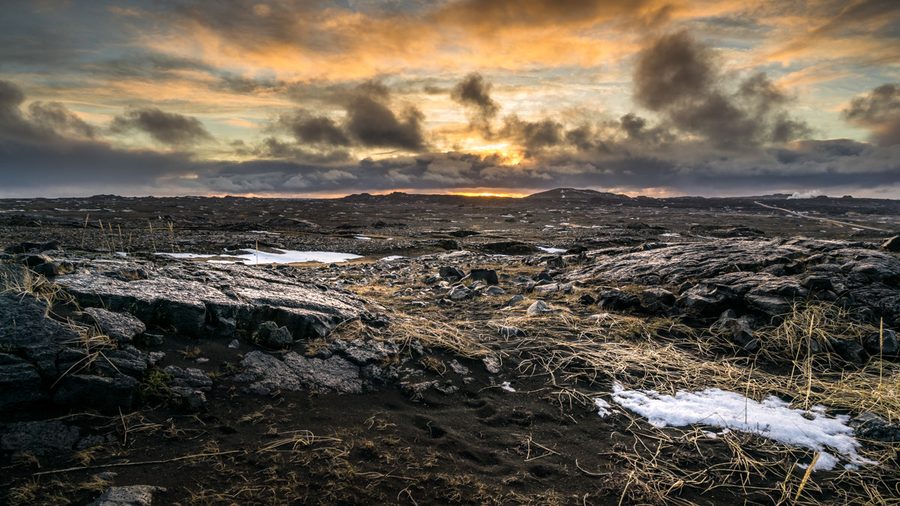
This diversity is especially helpful when interests within the family differ. While some travelers want to spend as much time as possible by the water, others are looking for historical traces or varied landscapes. Southern Europe does not have to be limited to a single type of holiday. Planning begins with the weighting: What should characterize the holiday, and which experiences may be added?
History also gives the travel region a distinctive character. Ancient ruins, medieval castles and villages make a trip more than a sequence of beach days. For families, such destinations can create shared discoveries that change the daily routine and add a cultural perspective. If historic places are more important than a purely beach-based stay, the choice of base should take this orientation into account from the outset. For especially compact cultural destinations, San Marino can serve as an example of an independent travel building block.
Beach, culture or round trip?
For a holiday with a clear beach focus, a coastal base is more suitable than a location further inland. This is especially sensible if the family wants to spend many days by the sea and keep the daily rhythm simple. The location of the accommodation follows the desired experience: those who mainly want to swim and relax on the beach should first consider coastal options and only then compare individual accommodations. Island destinations such as Malta or Cyprus make the question of proximity to the coast and a fixed starting point particularly clear.
A culture-oriented stay sets a different focus. If historic places, cities and excursions define the holiday, a base with good access to these cultural destinations is more helpful than the exclusive search for a beach resort. The appeal then lies in the alternation between sightseeing, shared breaks and regional everyday life. Which specific location fits depends on how strongly cultural destinations are meant to shape the day. Italy is representative in this context of a travel region in which coast, cities, history and regional cuisine can be combined.
Those who want to collect as many different impressions as possible can view Southern Europe as a region for a round trip with landscape and cultural experiences. Such a type of travel combines flexible stops with the change between coast, landscape and historical heritage. For accommodation on a stage or for changing day trips, a location makes sense that supports onward travel and the change between these types of experience. This keeps the planning focused on the desired variety without having to define every daily distance in advance. Macedonia can also be classified as a rather inland travel building block compared with the coastal destinations.
A fixed base, on the other hand, may be a better fit if the family prefers a manageable daily rhythm. Then the holiday experience can be more strongly oriented around one base: near the coast for beach days or culture-oriented for historic places and excursions. Especially with different age groups, this decision can be important because it determines whether the holiday consists more of a recurring starting point or several travel sections. An independent destination on the edge of the Mediterranean such as Gibraltar illustrates that even small areas can have a clear geographical and cultural orientation for travel planning.
Derive the accommodation base from the holiday experience
The search for a holiday apartment or holiday home in Southern Europe should not begin with individual equipment wishes, but with the planned type of trip. First ask yourself whether the focus is on beach, culture, landscape, regional food or a mix of these. Then the suitable location can be narrowed down: a coastal base for many beach days, a culture-oriented environment for historic destinations, or a location that supports the change between different stages on a round trip. For a particularly clearly defined cultural stay, Vatican City can also illustrate the decision for a culture-oriented accommodation base.
For a beach-first holiday, the coast is the obvious starting point. For a stay with a historical focus, access to cultural destinations is the priority. For a round trip, on the other hand, what matters is that the accommodation fits the planned transition between landscape and cultural heritage. These three decisions lead to different accommodation strategies and should match the respective holiday plan.
Families can also use the desired daily rhythm as a selection aid. If every day is to begin similarly and leave plenty of free time at the beach, that points to a base clearly oriented toward a beach holiday. If historic places and excursions are to be part of the routine, the accommodation search should be more culture-oriented. With several stops, the accommodation becomes part of a larger travel route and must fit the planned change of impressions.

Regional cuisine adds another layer to this decision. Mediterranean cuisine is characteristic of Southern Europe, while each country has its own specialties. Those who value regional markets and food can therefore consciously incorporate them into travel planning instead of choosing accommodation only by proximity to the water. Especially with a holiday apartment or holiday home, self-catering can be an opportunity to weave local products and mealtime routines more strongly into shared holiday days. Specific dishes or individual restaurants are not the focus here; what matters is culinary diversity as part of the character of the trip.
Travel season and family beach: Mallorca as an example
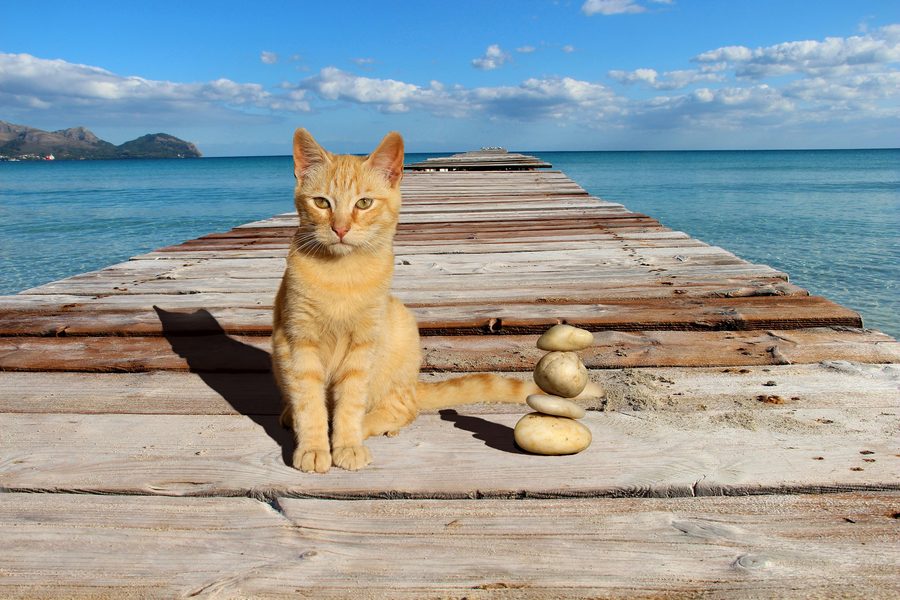
The season should also match the planned type of travel. For a family holiday with a beach focus, the shoulder season can be more pleasant than a hotter or busier peak season. A specific Mallorca example names spring and autumn for this purpose. This orientation belongs to the Mallorca example and is not a general rule for all countries and coasts of Southern Europe.
Playa de Muro illustrates what a family-oriented beach experience can look like: the beach is described as having fine sand and shallow water. This example is interesting for families because it combines the question of season with the choice of holiday experience. Those planning a beach holiday can first check whether travel time, coastal location and desired daily routine fit together. Those who are primarily looking for historic places or a round trip should not choose the accommodation base based only on this beach image.
How to narrow down your search sensibly
For the first selection, five successive decisions help. First: Is beach, culture or the combination of several types of experience most important? Second: Do you want to stay in one place or combine several stages? Third: Should the base be near the coast or support access to historic places and excursions? Fourth: Does the planned travel time fit the desired share of beach or culture? Fifth: Should regional cuisine with markets and self-catering play a stronger role in the daily routine?
With these answers, the further search becomes more manageable. You then compare not just any accommodations, but those whose location fits the planned holiday. A coastal base supports a beach focus, a culture-oriented base supports visits to historic places, and a round-trip-friendly stage supports the change between landscape and cultural heritage. This keeps the accommodation part of travel planning rather than just an isolated booking item.
Frequently asked questions about Southern Europe
What makes Southern Europe interesting for families?
Southern Europe combines coast, different landscapes, historic places and regional cuisine. This allows a family to plan the holiday as a beach trip, a cultural holiday or a mix of several types of travel depending on their interests.
Beach, culture or round trip?
All three types of travel are possible: beach days, culture-oriented trips with historical heritage, and round trips with landscape and cultural experiences. Which option fits depends on the desired daily rhythm and the importance of shared excursions.
When is Southern Europe especially pleasant for families at the beach?
A specific Mallorca example names spring and autumn as pleasant times for families at the beach. This orientation refers to Mallorca and cannot be applied universally to all countries and coasts.
What role does food play on a trip to Southern Europe?
Mediterranean cuisine and regional specialties make food, markets and local routines a distinct part of the travel experience. The culinary profiles of individual countries differ.

.jpeg)


.jpg)