
Accommodation in Southeast Europe
Southeast Europe is not a travel destination that follows just one pattern. The travel region combines coasts, mountains, cities, and multi-stop routes; at the same time, the individual countries set different travel accents. For families, the selection becomes clearer when you first define the character of the trip and only then look for accommodation. Should the focus be on the coast, should landscapes change, or should cities, culture, and cuisine be part of a route?
Brief facts about Southeast Europe
Diverse travel region: Southeast Europe comprises several countries and different travel profiles. The region cannot be reduced to a single holiday style.
More than one type of landscape: Coasts, mountains, and cities can be experienced individually or in combination, depending on the destination.
Concrete example: Montenegro stands for a mix of coast, mountains, historic places, and nature.
Trip planning: Depending on the focus, a fixed base, a flexible route-friendly accommodation, or a trip with several overnight stops may be suitable.
Coastal timing: Summer cultural activities are mentioned for parts of the Adriatic coast. For a corresponding coastal focus, the travel time can therefore play a role.
What distinguishes Southeast Europe as a travel destination
The strength of Southeast Europe lies in the combination of different travel images. A stay can be shaped by the coast, but it can just as well revolve around mountains, cities, or cultural stops. Especially for families with different interests, this range is a good reason not to choose a single accommodation profile too quickly. Only the desired mix of relaxation, landscape, and discovery shows which region and which location should be examined further.

The countries in the region set different accents. For an initial comparison of coastal destinations, for example, Albania, Greece, and Croatia can be considered as different travel ideas, without deriving a ranking from them. A complete ranking cannot be formed from this, and no destination is generally the best choice. As a first orientation, however, it is enough to ask whether you are mainly looking for the sea, mountainous scenery, city visits, or a combination of several elements. This turns the large travel region into a manageable selection of suitable travel ideas.
Coast, mountains, or a mixed travel picture?
Anyone planning days with as much variety as possible will find an illustrative example in Montenegro. There, coast, mountains, historic places, and nature come together in one destination. That makes Montenegro a helpful point of comparison for families who do not want to experience just a single landscape. At the same time, it remains an example of a particular travel type and not a description of all destinations in Southeast Europe.
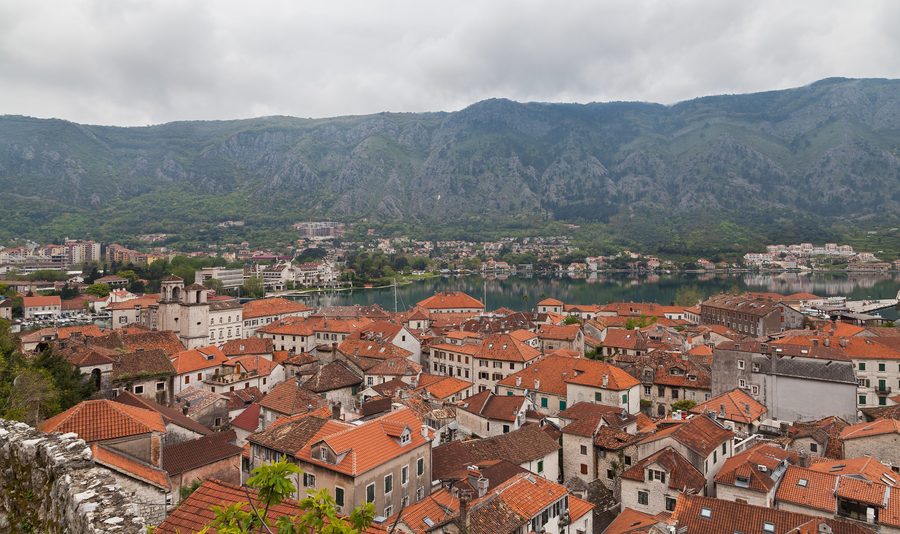
If the sea and relaxation are the main focus, a coastal orientation can narrow the search usefully. If, on the other hand, changing landscapes and cultural stops are important, the later base should not be oriented solely toward beach days. For a mixed travel picture, Bosnia and Herzegovina or Slovenia can also serve as starting points for comparing different landscape and cultural profiles. The decision therefore concerns not only the country, but also the question of how much variety is actually desired within one trip. For families with different interests, it is worth clarifying these wishes together before searching for accommodation.
A mixed destination does not automatically require a specific mode of transport or a fixed length of stay. Above all, it makes sense to consider choosing a flexible, route-friendly base if several types of landscapes are to be combined. A single beach location then does not have to serve as the starting point for all interests.
Fixed base or multi-stop route?
A base-stay holiday can be a good fit if you deliberately plan the trip around one region or one landscape experience. This variant leaves room for flexible days in one place and keeps the selection focused on a clear priority. It is understandable if several cities and cultural stops are not to be combined with one another.
For other travel plans, a multi-stop route is the more suitable travel type. Some trips in Southeast Europe combine several cities, cultural stops, and culinary references. For such considerations, Romania, Serbia, and Bulgaria can be included in a more in-depth country review. If exactly these elements are to shape the holiday, you should plan for a route-friendly base or several overnight stops rather than trying to cover all program points from a single place.
This choice also changes the search for accommodation. With a fixed base, what matters most is that the location matches the desired landscape or experience focus and allows flexible holiday days. On a round trip, by contrast, the connection between multiple stops takes center stage. A holiday apartment or holiday home is therefore not automatically equally suitable in every section; what matters is whether you want to stay longer in one place or split the holiday into several stages.
Selecting accommodation from the travel idea
For a holiday with coast, mountains, and other experiences, a location for your accommodation is interesting that is not tailored to just one setting. Montenegro shows how a mixed landscape destination can influence the choice of base: a flexible and route-friendly location can be useful if different priorities are to be combined. Specific travel times and a particular mode of arrival are not associated with this.
With a clear coastal focus, accommodation on the coast can make more sense if summer activities and short distances to the sea are important. This consideration refers to the respective coastal section. It does not automatically apply to the entire Southeast European region.
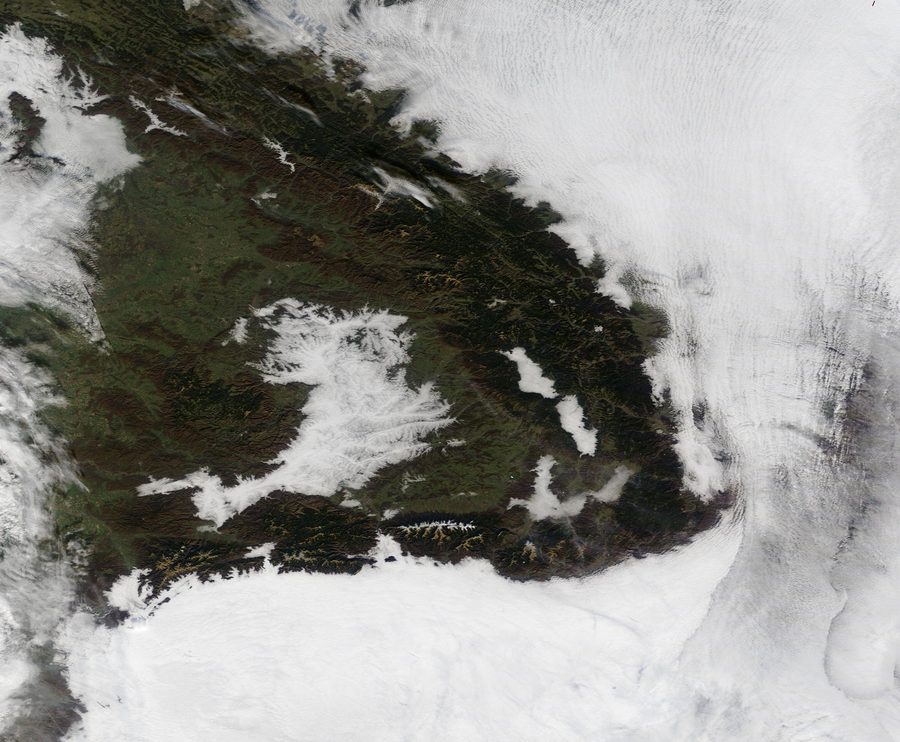
If, however, cities, historic stops, and cuisine are the focus, a single accommodation can lead to a more tightly planned trip. In this case, it makes sense to distinguish at an early stage between a route-friendly base and several places to stay. The accommodation thus becomes part of the decision for a base-stay holiday or a route.
Effects of the route choice on arrival and mobility
The rough route idea should be fixed before searching for the specific place. A holiday centered on one focus and a trip with several stops place different demands on the location of the accommodation. With several cities, cultural stops, and culinary stops, flexible planning with several overnight stops or a route-friendly base is more obvious than trying to cover all experiences from a single location.
This does not mean that a particular mode of arrival is mandatory. The practical question is: do you want to shape the trip around one place or connect several places with each other? In the first case, you then look for a suitable base for the chosen focus. In the second, you check whether an accommodation strategy with several stages fits your travel plan better. This way, the accommodation is not fixed before the desired mobility of the trip has been clarified.
Keep travel time in mind for coastal plans
Summer cultural activities are mentioned for parts of the Adriatic coast. For a coastal holiday with an event or cultural focus, travel time can therefore be a relevant selection factor. This is a coast-specific example and not a seasonal rule for all of Southeast Europe. For other travel profiles, you should first determine whether the landscape mix, cities, or a particularly quiet fixed base will define the holiday.
Anyone who consciously includes travel time in the planning can then align the accommodation search more closely with the desired coastal section and the personal travel type. Statements about weather, prices, or availability are not associated with this. The practical consequence remains: with a coastal and cultural focus, it is worth considering the timing before choosing the country and accommodation.
Four steps to the right choice
Define the travel picture: Decide whether the focus is on coast, mountains, cities, or a combination.
Narrow down countries and travel type: Use the broad differences between the countries as a first orientation without creating a ranking.
Choose a base strategy: Check whether a fixed accommodation, a flexible route-friendly base, or several overnight stops fits your plan.
Take timing into account: With a coastal focus in parts of the Adriatic coast, travel time can be relevant because of summer cultural activities.
This keeps the search focused on what matters: Southeast Europe is first understood as a diverse travel region, then the country and travel type are narrowed down, and only then does the selection of region, location, and specific accommodation follow. For families, this creates a clearer path between varied experiences, relaxing days, and a base that fits the planned travel flow.
Frequently asked questions about Southeast Europe
What makes Southeast Europe interesting for families?
The region offers different landscapes and travel types. Families can choose between coast, mountains, cities, and multi-stop routes and thus first define the desired mix of relaxation and discovery.
Is Southeast Europe more suitable for beach holidays or for mixed trips?
Both are possible. A mix of coast and mountains as well as a trip that connects several places can be particularly well illustrated. Which travel type fits therefore depends on the desired focus.
What kind of base suits a mixed Southeast Europe trip?
If several places or landscapes are to be combined, a flexible, route-friendly base is better suited than planning around just one setting. With several cities or cultural stops, several overnight stops can also be an option.
Does the travel time on the Adriatic coast matter?
For parts of the Adriatic coast, summer activities with a cultural reference are mentioned. With a coastal focus, timing can therefore be relevant without this becoming a rule for the entire region.


.jpg)
.jpg)