
Vacation apartment in Gyeonggi-Do
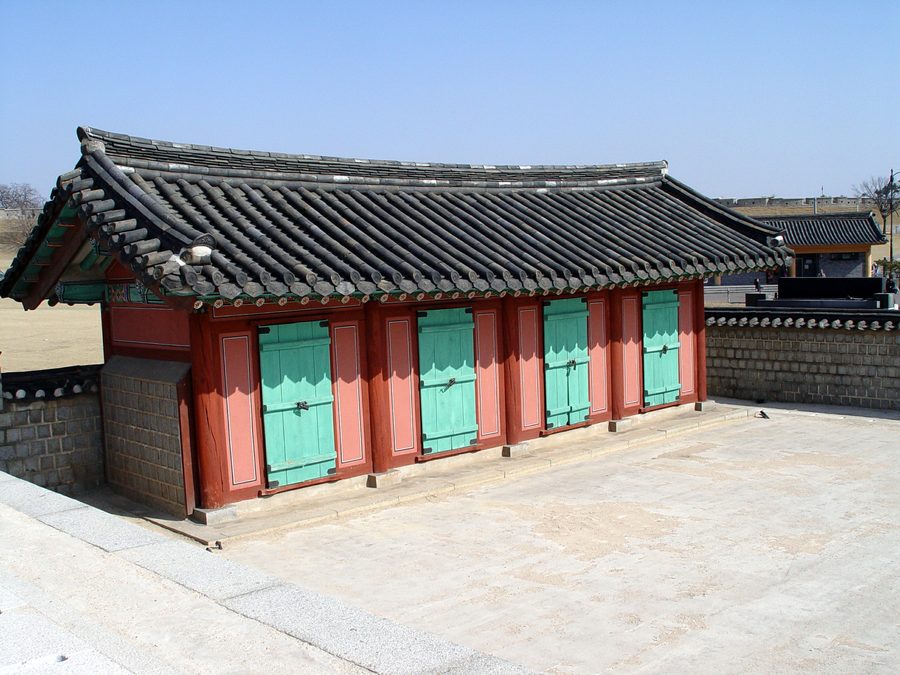 Hwaseong Fortress in Suwon shows Gyeonggi-do’s history and cultural heritage.
Photo: Jpbarrass via Wikimedia Commons, Public domain
Hwaseong Fortress in Suwon shows Gyeonggi-do’s history and cultural heritage.
Photo: Jpbarrass via Wikimedia Commons, Public domain
Why Gyeonggi-Do makes sense as an accommodation region
Gyeonggi-Do lies around Seoul and is therefore less a single place than a range of choices for different travel styles. If you are traveling with family or want to combine city time, outings, and quieter days, the location of your accommodation is the key factor here.
For context within the country overview, see also Accommodation in South Korea.
Quick facts
- Gyeonggi-Do is the province surrounding Seoul; Seoul and Incheon are separate administrative units in the Sudogwon metropolitan area.
- Travel guides often organize the region by practical day-trip clusters rather than around a single core town.
- With 28 cities and 3 counties, the choice is large and very varied.
- Families can plan days around learning, nature, and weather-proof indoor options.
If you are comparing the metropolitan area around Seoul, Incheon can also serve as a neutral reference point.
What Gyeonggi-Do offers families and day trips
Travel guides describe the region as a blend of nature, culture, and food experiences. That is practical for families, because you can shape days differently depending on weather, energy, and interest: one day learning-focused, one day outdoors, one day with a calmer buffer. A central base or a base close to the metro gives you more flexibility for short distances and mixed day plans; a nature-oriented base is better if you prefer slower days and fewer changes.
History, culture, and family-friendly city bases
If you want culture, city life, and a clearer focal point, Suwon is the strongest anchor in this group. The other cities mainly work as family-friendly and city-adjacent bases for a steady daily rhythm, outings, and short distances: Ansan, Anseong-Si, Anyang, Bucheon, and Gunpo.
Hwaseong, Osan, Pyeongtaek-Si, Seongnam, Uiwang-si, and Anyang also fit this mix of city, family, and a comparatively clear choice of base.
Close to the city and well connected
For short distances and a more urban rhythm, Gimpo-Si, Goyang, and Uijeongbu are the most obvious options. If you are traveling with children and want to include an educational or rainy day, Gwacheon-Si is a strong anchor; Gwangmyeong and Paju-Si add further Seoul-adjacent comparison points.
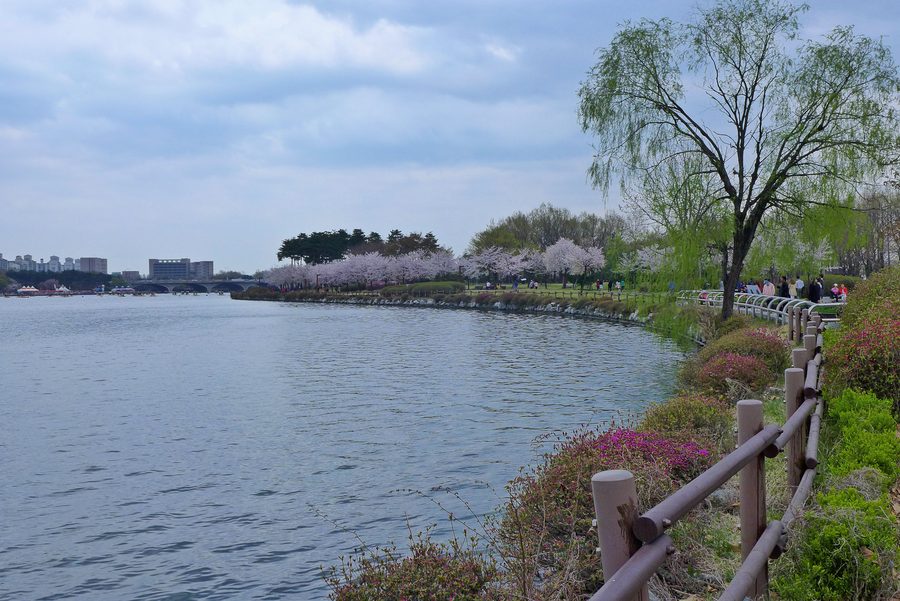
These places are especially suitable if you do not want to change bases every day and value proximity to the metropolitan area more than having lots of countryside right outside your door.
Nature, peace, and slower outings
If you are looking more for landscape, quieter days, and a gentler travel pace, Gapyeong-Gun, Yangpyeong, and Yongin are the clearest anchors; Guri, Hanam-Si, Icheon, Pocheon, Siheung, Yangju-Si, and Yeoju round out this selection as additional nature- and excursion-oriented bases.
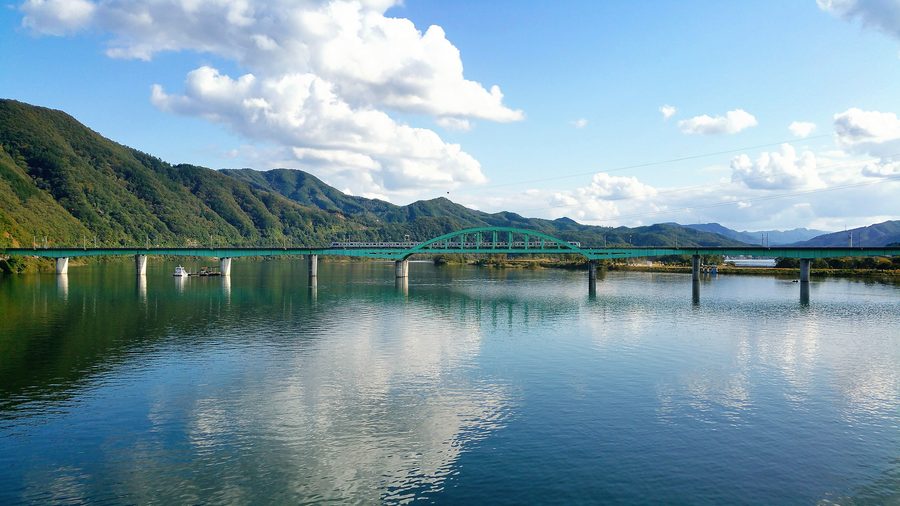
This group is especially useful for families if you prefer a calmer daily rhythm with more breathing room between activities.
Frequently asked questions about Gyeonggi-Do
Is Gyeonggi-Do better for city stays or nature?
Both: the province lies around Seoul and is described in travel guides as a mix of day-trip clusters, nature, culture, and food. Which side dominates depends on your base.
Which parts of Gyeonggi-Do are suitable for families with children?
The best fit is areas where you can combine learning days and weather days with nature or short outings. That keeps the family rhythm flexible.
Which cities are suitable for history and culture?
Suwon is the clearest cultural anchor. Overall, the city- and culture-oriented bases help if you want a stay with a clear focus rather than many location changes.
Which areas are better for peace and nature?
Gapyeong-Gun, Yangpyeong, and the other places close to nature and excursions are better if you want slower days and fewer city changes.
Why is Gwacheon-Si interesting for families?
Because it is noted as having a hands-on science museum as a learning anchor. That is especially useful if you want to plan a weather-proof family day.


.jpg)