
Discover Wonju: History, Architecture and Landscape
Accommodation in Wonju
Wonju offers a variety of things to discover: historic buildings, a museum with a distinctive blend of art and architecture, and trails and structures set in the Sogeumsan landscape. When planning your trip, it’s worth first choosing the focus that interests you most—and making cultural history, art or landscape the centerpiece of your stay.
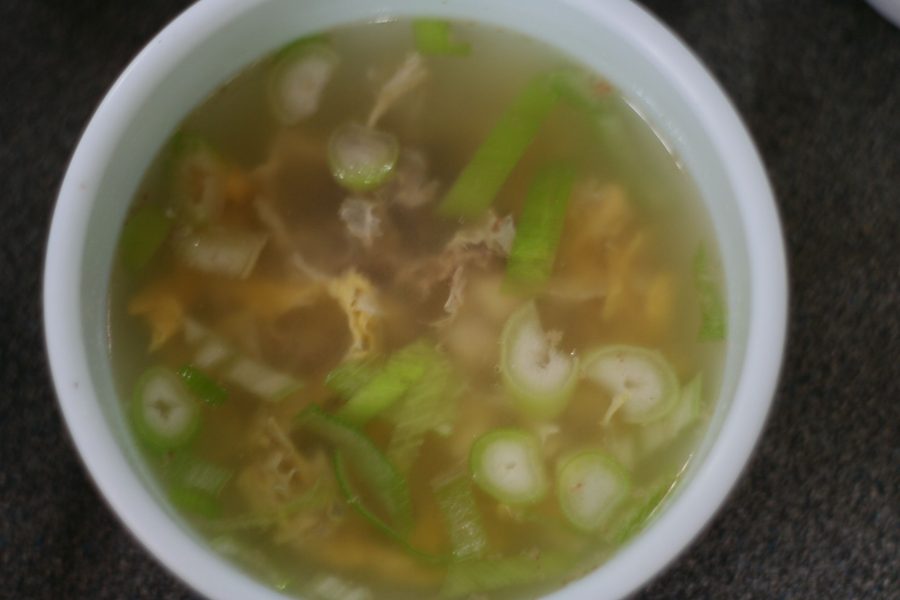 Bugeoguk, eine koreanische Suppe mit getrocknetem Alaska-Seelachs, als kulinarische Idee für Wonju.
Photo: Pachinee Buathong via Wikimedia Commons, CC BY-SA 2.0
Gangwon Gamyeong: History in a Preserved Building
Gangwon Gamyeong served as the administrative center of Gangwon Province for around 500 years, from 1395 until its abolition in 1895. Administrative duties for 26 districts, prefectures, counties and administrative divisions were carried out from there. At Gangwon Gamyeong in Wonju, Seonhwadang is the only surviving central building of a Gangwon provincial administration. It is also a nationally designated cultural treasure.
This history makes the site interesting to anyone curious about earlier administrative structures and preserved architecture. Seonhwadang offers a tangible point of connection: here, the long history of Gangwon Gamyeong can be linked to a single surviving central building. The Wonju History Museum explores further historical contexts of the city, including Pyeongwon, Bukwongyeong and Gangwon Gamyeong. The museum collects, preserves, researches and displays Wonju’s history and traditional cultural heritage to illustrate the city’s development through to the present day.
Museum SAN: Art, Architecture and Nature
Museum SAN was designed by Tadao Ando and built in concrete. It brings together art and architecture with the natural surroundings and the changing seasons. Under the motto “Disconnect to Connect,” its focus is on restoration through art and nature, as well as paper and analog experiences. The museum opened in May 2013, when a work by James Turrell was completed.
The visitor route leads from the Welcome Center and landscaped parking area through the Flower Garden, the Ground Antony Gormley Wing (2025), the Sculpture Garden, the Space of Light (2023), the Water Garden, the Main Building and the Stone Garden to the Meditation Wing (2019), and onward to the James Turrell Wing. This sequence makes the various named areas part of the museum experience. If you’re interested in architecture, the contrast between Ando’s concrete building and the museum concept of nature, art and the seasons offers another perspective.
Sogeumsan: Trails, Bridges and Views
Across the wider Wonju-si area, trails and structures around Sogeumsan shape the landscape experience. The Wonju Sogeumsan Suspension Bridge opened in 2018. It is 100 meters high and 200 meters long. Since opening, it has been visited by more than four million people. The Sogeumsan Ulleong Bridge is 404 meters long—twice the length of the existing Suspension Bridge, making for a direct size comparison between the two bridges.
The 360-meter-long Salt Jando runs along a cliff below the summit of Sogeumsan. The Sky Tower is a landmark of Sogeumsan Grand Valley and offers wide-ranging views of the landscape encircled by Samsancheon. Another factor to consider is the Sogeumsan Deck Walkway: it is 700 meters long and offers a walk with views of the Sogeumsan landscape. The Sogeumsan cable car travels 972 meters from the lower parking lot of the Ganhyeon recreational area to the upper Sogeumsan Suspension Bridge. It is listed as having 22 cabins, each with ten seats; check operating details before your trip.
Literature, Parks and Everyday Life in the Municipality
In the wider Wonju area, Park Kyung-ri Literature Park preserves the author’s former home, garden and writing room in their original form. Three themed gardens—Pyeongsari Madang, Hongi Dongsan and Yongdurebeol—evoke the setting of her novel “Toji.” For literature enthusiasts, the focus here is on the author’s former living and working environment and its connection to the landscape of a novel.
There are also a variety of public places for a stay that focuses less on buildings. Wonju Central Neighborhood Park has a lawn, a cultural center, a covered badminton hall, a forest loop trail and parking. At Hanji Theme Park, light meals and tea are sold in a café; visitors may eat food they have brought with them in the outdoor park. In bad weather, eating indoors is permitted only after checking with the office in advance. Check the café offerings and visitor information before your visit.
Choose the Right Focus for Your Trip
The different themes are easy to weigh up: Gangwon Gamyeong, Seonhwadang and Park Kyung-ri Literature Park offer historical and literary points of interest; Museum SAN focuses on art, architecture and nature; and Sogeumsan is all about trails, bridges and landscape views. If you’re planning a trip with children, these options can help you discuss shared interests—for example, whether history, art or a scenic walk should shape the trip most. When looking for a vacation rental in Wonju, you can start with the focus you want and then choose a specific location to suit your own plans.
Discover more destinations: Inje-gun, Gangneung, Sokcho, Chuncheon, Cheorwon-gun, Pyeongchang, Hoengseong-gun, Yangyang-gun.
For the broader travel overview: Gangwon-do.
Compare hotels and holiday rentals in Wonju by price and availability for your travel dates.
Advertisement · We may receive a commission if you book.
