
Valencia: Parks, Cultural Heritage and Traditions
Accommodation in Valencia
Valencia offers nature experiences, historic sites, art and religious traditions. On the banks of the Río Cabriales is Parque Negra Hipólita – Fernando Peñalver. Casa de La Estrella recalls Valencia’s early history; the Museo de la Cultura and Plaza de las Esculturas offer further cultural perspectives. There is also a tourist route through the historic centre and festivities in honour of the patron saint. You can shape your trip around nature, architecture, art or traditions, depending on what you would like to discover during your stay.
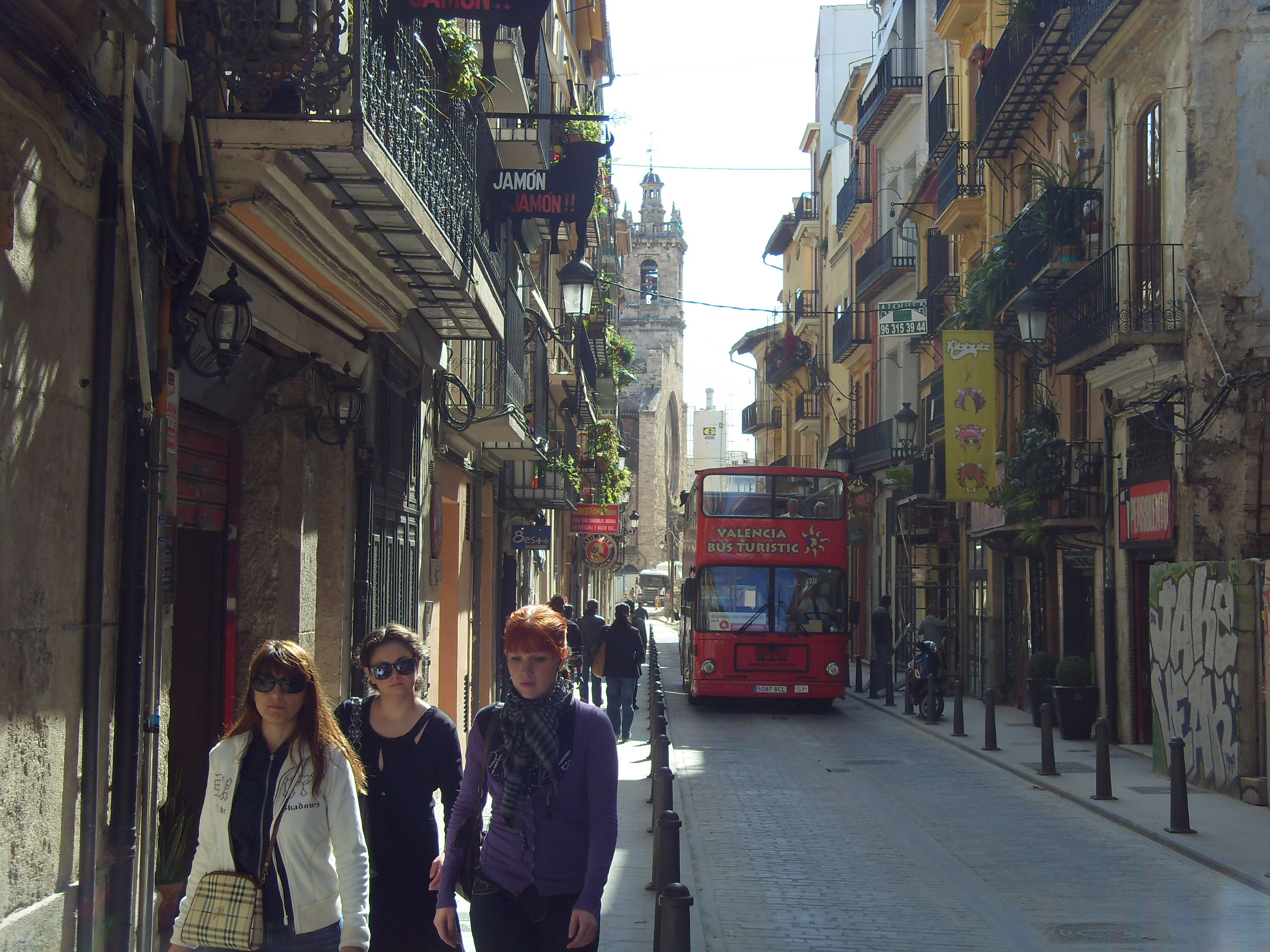 Valencia-Altstadt
Photo: Markus Lenk
Green Space on the Río Cabriales
Parque Negra Hipólita – Fernando Peñalver is on the banks of the Río Cabriales. Among trees and wildlife, it offers opportunities for sports and walks; yoga is another possible activity. If you would like to make time for the outdoors, you will find various ways to get active here. This offers a different focus from Valencia’s historic buildings and exhibitions: you can treat visits to the park and cultural attractions as two distinct focuses of your trip.
History, Art and Exhibitions
Casa de La Estrella dates back to around 1660. It was built as the city’s first hospital under the name San Antonio de Padua and was declared a National Historic Monument on 25 February 1980. Teatro Municipal de Valencia is also recognised as a National Heritage Site; a report from January 2026 mentions this status. In the same month, the “Descubre el Teatro” programme described residents from Flor Amarillo, Santa Rosa, San Blas and La Isabelica visiting historic areas of the theatre.
In El Viñedo, the open-air museum “Andrés Pérez Mujica”, also known as “Plaza de las Esculturas”, displays 31 works by artists and sculptors from Carabobo. This adds art in the open air to the historical perspective. For a different way to experience culture, there is the Museo de la Cultura on Avenida Paseo Cabriales. A description from 8 July 2024 presents it as a venue for cultural and recreational activities, as well as exhibitions visited by young people, children and adults.
At the start of the school holidays in July 2024, two exhibitions were open to the public there free of charge: “Conectando Continentes” by Ramón Aular from Carabobo and “Retrografía”. The latter combined retro and rock, drawing on the legacy and career of the Venezuelan bands “Desorden Público” and “Sentimiento Muerto”. The exhibition “Portadores: memoria de un pueblo” at the Museo de la Cultura presented traditional forms of expression from Carabobo: the Pastores de Aguas Calientes y San Joaquín, the Baile de la Hamaca, the Velorio de la Cruz de Mayo and the Joropo con violín. These examples offer encounters with visual art and music as well as regional traditions.
Historic Centre and Festival Traditions
The tourist route “Conoce el Corazón de Valencia” includes a walking tour of the historic centre. A description documented in July 2025 lists Plaza Bolívar, Calle Colombia, Plaza Sucre, Casa Páez, Casa de La Estrella, Casa Museo Pocaterra and Plaza Bicentenario among its stops. The tour brings together squares, historic houses and a museum. If you would like to include the route in your plans, check the current schedule and visiting arrangements for each stop.
Catedral Basílica de Nuestra Señora del Socorro is considered a national monument of historic value and is the official place of worship for Valencia’s patron saint; a report from March 2026 mentions both roles. The traditional festivities in honour of Nuestra Señora del Socorro follow an annual schedule: they begin on the last Sunday in October and end on the Sunday after 13 November. A report from 2024 cited this schedule; for the 2024 festivities, the opening event at the Catedral de Valencia was announced for 27 October.
Culinary Event in Carabobo State
Culinary traditions are also in the spotlight at an event in Carabobo state. A report from June 2026 announced the “Cocina en Vivo” gala at the Museo de la Cultura of Carabobo state on weekends. Visitors could sample typical dishes from all 14 municipalities. Check the latest dates before visiting.
Choose the Right Holiday Apartment for Your Itinerary
When choosing a holiday apartment in Valencia, you can start by considering which experiences matter most to you: time in the park, historic sites, art and exhibitions, or festival traditions. Make a list of the places you actually want to visit, then assess your accommodation’s location based on the specific routes in your itinerary. This way, you can tailor your search to the kind of stay you want, rather than judging a location by a general label alone.
For the broader travel overview: Municipio Autónomo Valencia.
