
Accommodation in Sierra Leone
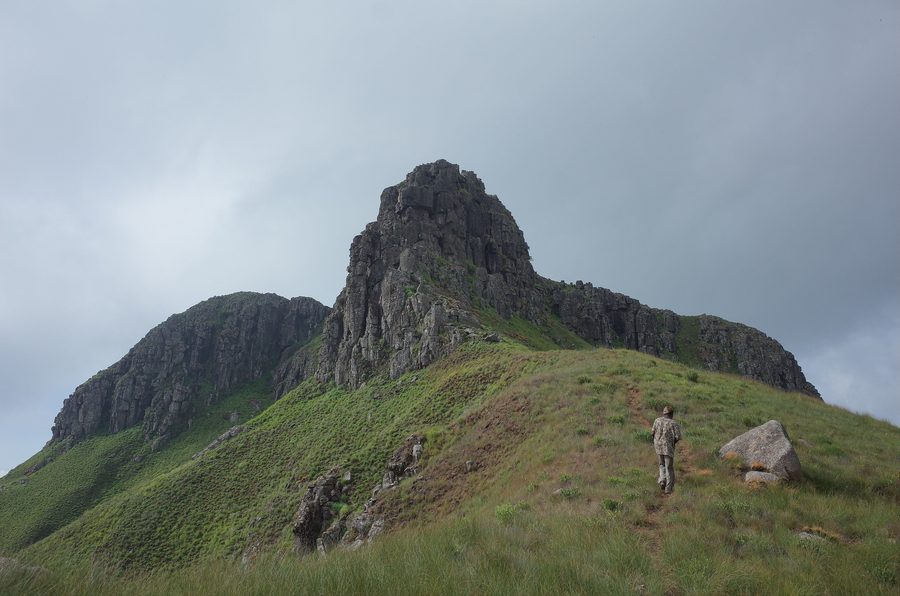 Mount Bintumani steht für die Hochlandlandschaften im Osten Sierra Leones.
Photo: Rokaso via Wikimedia Commons, CC BY-SA 4.0
Mount Bintumani steht für die Hochlandlandschaften im Osten Sierra Leones.
Photo: Rokaso via Wikimedia Commons, CC BY-SA 4.0
Sierra Leone turns the shift between urban everyday life, the Atlantic coast, and striking natural backdrops into the actual travel experience: in Freetown, a natural harbor, markets, a museum, and viewpoints come together, while the Western Area Peninsula combines beach, river mouth, forest, and mountains. If you have more time, you can also look toward rainforest and island nature in the southeast, woodland savanna in the north, or highlands in the east.
Quick & useful
- Freetown lies on a natural harbor on the Atlantic and combines city life with the coast.
- The Big Markit represents handicrafts and direct access to everyday city life.
- The Sierra Leone Railway Museum adds a historical perspective on the country to a day in the city.
- River No. 2 combines pale sand, a river mouth, an ecosystem, and a mountainous backdrop.
- Tokeh stands for a Peninsula landscape of beach, mountains, and forest.
- In the southeast, north, and east, the landscapes range from rainforest and islands to woodland savanna and the highlands around Mount Bintumani.
Freetown: city life with an Atlantic setting
Freetown is more than just a starting point for onward travel. Its location on a natural harbor, along with markets and beaches, gives the city its own rhythm. At the Big Markit you can discover handicrafts, at the Sierra Leone Railway Museum you can choose a historical perspective, and at Leicester Peak you can look out over the city, the coast, and the surrounding forests. For families, this makes for a varied day in the city: a lively market visit can be followed by a museum before a viewpoint changes the day’s scenery.
If urban exploration is an important part of your trip, Freetown is the right regional starting point. Your exact accommodation location should match whether you mainly want to experience the city, its history, and its views, or combine these impressions with days by the coast.
The western coast: beach, river mouth, and forest
On the Western Area Peninsula, the character of the trip changes. River No. 2 combines a long pale-sand beach with a river mouth, an ecosystem, and a mountainous backdrop. In Tokeh, beach, mountains, and forest come together as local landscape elements. This combination makes the west coast appealing for a travel plan that wants to place active exploration alongside more relaxed days without reducing Sierra Leone to beach life alone.
For the wider western coastal area, Western Area provides the overarching point of orientation between Freetown’s urban offering and the landscapes of the Peninsula. Tokeh is the specific coastal place for readers who want to place beach as well as mountain and forest scenery at the center. The regional frame Western Area Rural adds this coastal perspective if you are considering a stay in the more rural part of the Peninsula.
Natural contrasts beyond the west coast
The west coast is only one part of the country’s overall image. In the southeast, the Gola Rainforest and Tiwai Island Wildlife Sanctuary stand for rainforest and island nature. In the north, the Outamba-Kilimi National Park, with its described woodland savanna landscape, forms a clear contrast to the Atlantic. In the east, highland plateaus lead to Mount Bintumani and show yet another side of Sierra Leone.
For an eastern landscape focus, you can consider Eastern Province as a regional stage. Those who want to deepen the northern natural character will find the right starting point with Northern. The two regions should not simply be treated as day trips from a western base: if highlands or woodland savanna are central to your trip, separate regional planning is the more sensible choice.
Which accommodation location fits the travel plan?
The most important decision is less about the facilities of a single property than about its role in the overall itinerary. A base in Freetown or the western area works well if you want to combine market visits, museums, viewpoints, and urban days with experiences on the Peninsula. A coastal location is the logical choice if beach and landscape days are the focus. For rainforest, woodland savanna, or highlands, however, you should plan a regional stage rather than attributing all nature experiences to a single western property.
Especially on a family trip, this division helps clarify in advance the desired balance between varied days and those that are easier to plan. When making a specific choice, check the exact location of the accommodation and whether it fits the section of the trip you have in mind. That leaves room for shared city impressions, coastal moments, and the special landscapes inland.

