
Accommodation in Northern Europe
Northern Europe is not a uniform travel destination, but a diverse region between the Baltic Sea and the North Atlantic. Coasts, islands, fjords, lakes, cities, and northern natural landscapes lead to very different holiday ideas. For families, it is therefore worthwhile not to start by searching for accommodation, but first to decide on the desired travel feeling: maritime days by the water, culture and city life, or expanses and nature in the far north. For an initial geographical orientation, both Denmark as a coastal destination and Norway with its distinctive landscape areas can represent different focal points.
Brief facts about Northern Europe
Northern Europe is defined more broadly than Scandinavia; the exact delimitation depends on the respective context.
The north combines nature, history, and modern urban culture.
Lapland is a transnational natural and cultural region in the far north.
In the far north, very bright summers can shape the travel experience; however, the seasonal effect depends on the respective destination.
Which travel image suits your family?
The most important first decision is: should the trip be shaped primarily by city, coast, islands, or expansive nature? Northern Europe offers suitable starting points for all four focal points, without any one country being the best choice in principle. If you answer this question in advance, you can meaningfully narrow the search for a holiday apartment or holiday home and avoid an overly broad selection.
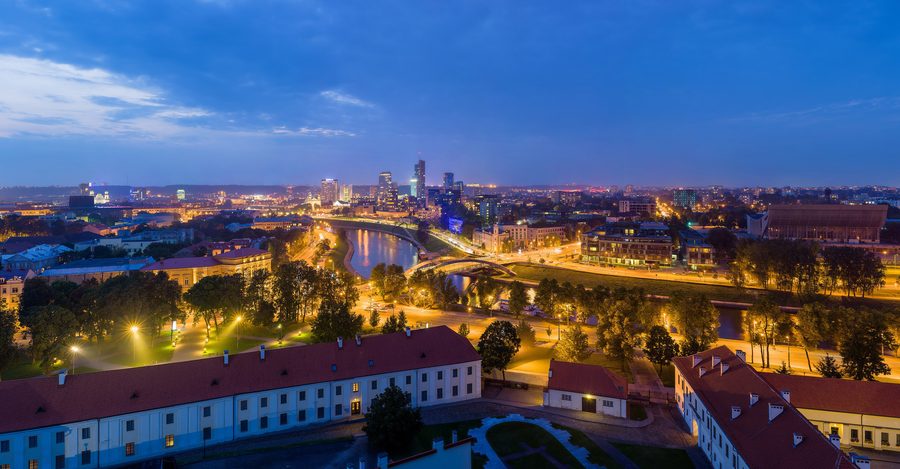
Cities in Northern Europe combine nature, history, and modern urban culture. Examples such as Stockholm, Gothenburg, or Reykjavík stand for culture, a maritime atmosphere, and more compact days of activities. An urban base is therefore especially suitable when you want to combine museum visits, city history, and different daily activities. The local food culture and the everyday character of Northern European cities are also part of the travel image that goes beyond mere sights. For this focus, Sweden, Iceland, or the historic urban culture of Lithuania can set different accents.
Coast, islands, or northern expanse?
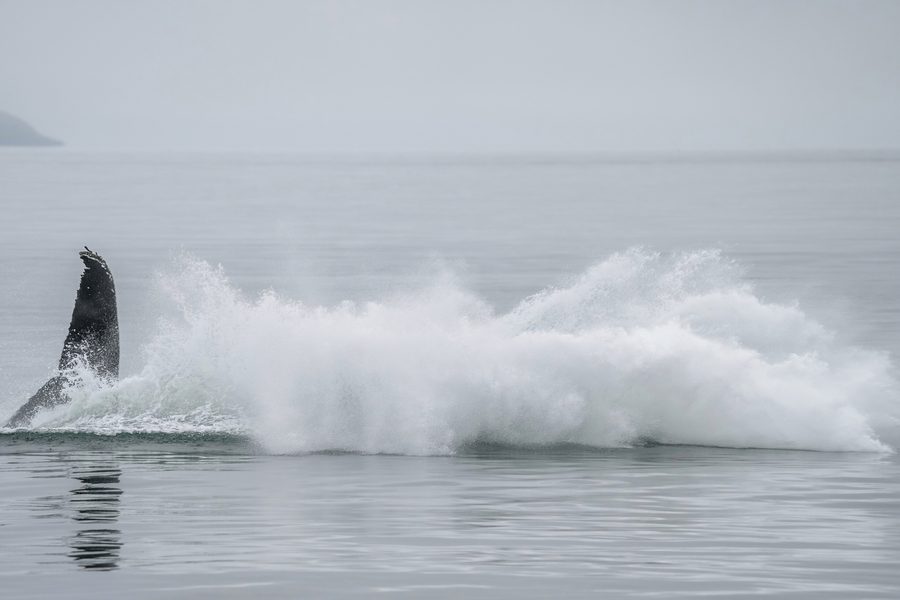
The coastal and harbor perspective is a central part of the Northern European travel image. Islands, fjords, lakes, and port cities noticeably change the atmosphere of a trip. If you are looking for the sea, harbor atmosphere, or an island character, a coastal or island base more directly reflects the desired setting. You should choose the location so that it matches your planned radius of movement; specific routes and transport connections differ depending on the destination. On the Baltic Sea, for example, Åland, Estonia, and Latvia can be considered as starting points with different characteristics.
Smaller island destinations such as Guernsey and Jersey also suit a travel image in which coastal location and island character matter more than a large-city program.
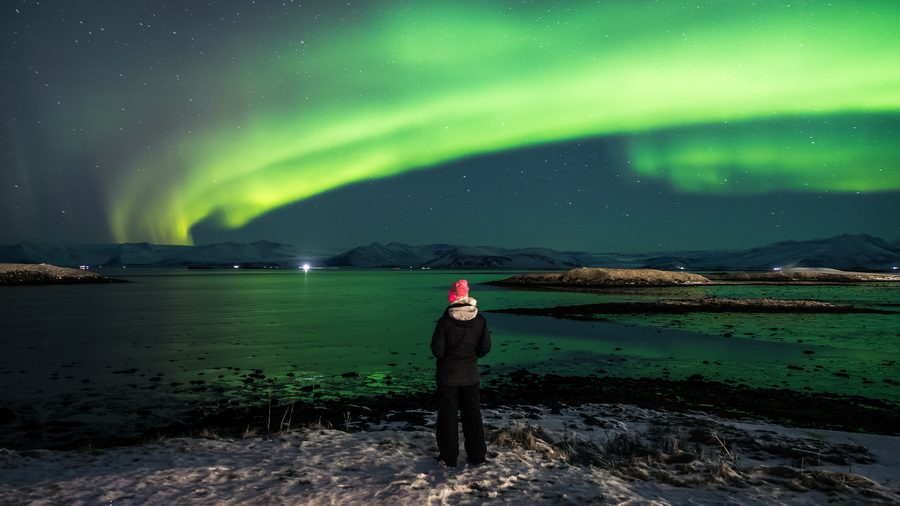
For nature, expanse, and a quieter travel character, a base in or near northern landscape regions such as Lapland is a better fit. Lapland is a transnational natural and cultural region and should therefore not be thought of solely under the name of a single country. A quieter or more rural accommodation usually suits this focus better than a purely urban location when landscape experiences are at the center of the trip. Finland can serve as a reference area here just as much as the particularly far northern region of Svalbard and Jan Mayen.
The right base for different holiday days
A central location can make sense if you want to combine culture, a city program, and different day ideas. For museums, old-town atmosphere, and urban programs, a city base is an obvious choice. This does not automatically make it the best solution for every family, but it does create a clear focus for the holiday.
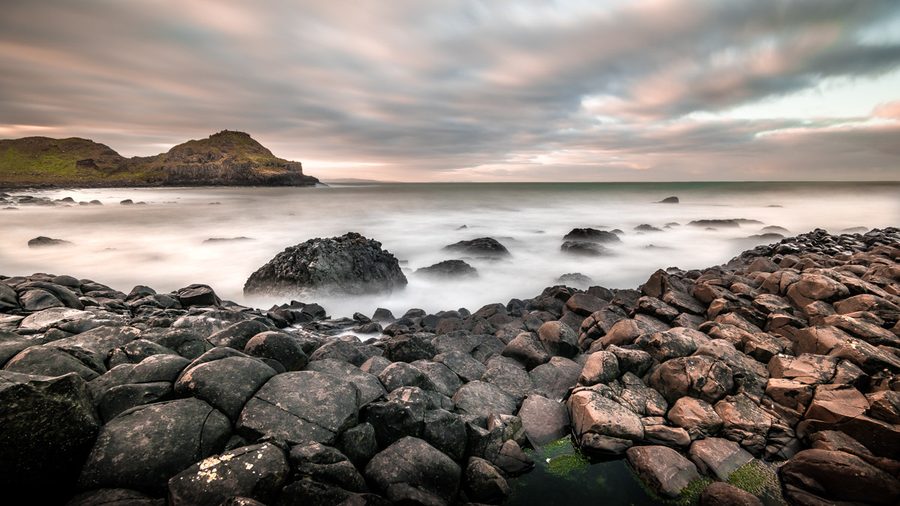
A coastal or island accommodation aligns the stay more strongly with water, maritime impressions, and harbor atmosphere. This is especially fitting if these elements form the core of your trip. In an area with many islands, coasts, and waterways, the location should match the desired radius of movement. If, on the other hand, you are looking for as much landscape and calm as possible, it is better to consider a more rural or more northerly base. For an island stay with an independent character, the Isle of Man can also be placed within this travel image.
For families with differing interests, a destination that combines nature and urbanity can be appealing. This allows active days outdoors, cultural discoveries, and quieter times to be broadly integrated into a shared travel image without limiting the stay to just one type of experience. Which specific accommodation suits this depends on the respective place and the desired location. Anyone who also wants to combine coastal scenery and culture can consider Ireland as a possible frame of reference for this travel image.
Travel season and light conditions
The season changes the experience in Northern Europe. In the far north, summers can bring very bright days, while other times feel more wintry. Therefore, consider whether long bright days and plenty of time outdoors or a more pronounced winter atmosphere fit your travel idea. The seasonal image always depends on the specific destination.
This consideration also influences the choice of accommodation: for a holiday that lives strongly from landscape and daylight, a nature-oriented or more rural base can support the desired character. For cultural program days, a city location remains obvious. The key is that location, travel time, and planned focus fit together.
How to narrow your search sensibly
- Decide whether city, coast, islands, or northern nature form the focus.
- Check whether an urban, coastal, quiet, or rural base fits this travel image.
- Include light and seasonal effects in your travel planning.
- Then choose the country or subregion that most clearly supports this focus.
- After that, compare the specific places and accommodations within the chosen type of destination.
This keeps Northern Europe manageable: first, a clear holiday idea takes shape; then comes the selection of the suitable destination area; and finally, the search for accommodation.
Frequently asked questions about Northern Europe
Is Northern Europe only Scandinavia?
No. The term is broader and can, depending on the context, also include other northern regions. The exact delimitation is therefore not the same in every use.
What type of trip suits Northern Europe best?
That depends on the destination. City, coast, islands, or expansive nature can each form the focus; many destinations combine several of these elements.
When is Northern Europe particularly worthwhile?
The north offers different seasonal impressions depending on the destination. In the far north, very bright summers are a typical experience, while other times can feel more wintry.
Which base is sensible if you want to see a lot of nature?
For nature and expanses, a quieter, more rural, or more northerly base is often more obvious than a purely urban location. Specific routes and accessibility depend on the chosen place.
Why are coastal and island regions so often associated with Northern Europe?
Coasts, islands, fjords, and port cities shape a large part of the regional travel image. They give the stay a maritime focus without all Northern European countries looking the same.

.jpeg)


.jpeg)
.jpg)