
Vacation apartment in Tulsa
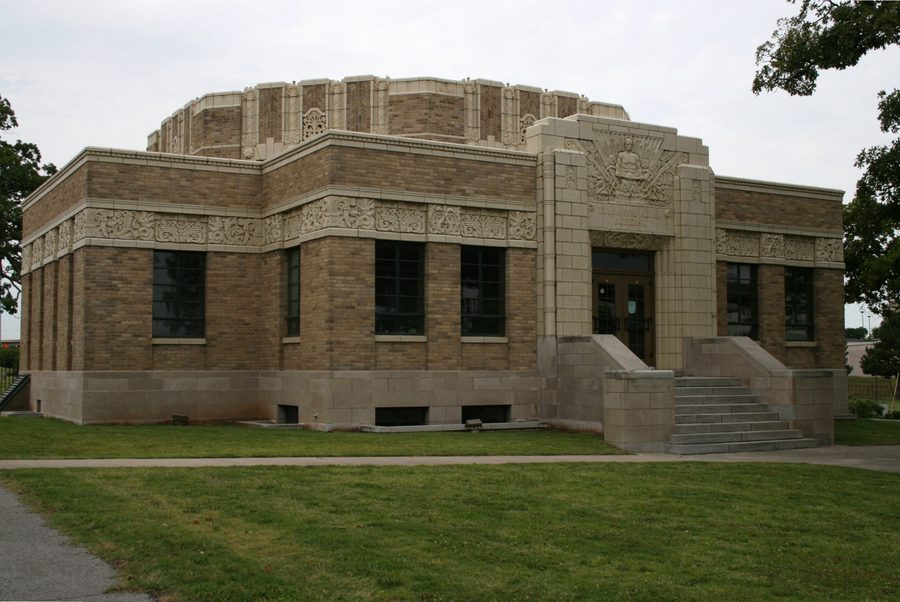 Tulsa ist für seine Art-Deco-Architektur und sein historisches Stadtbild bekannt.
Photo: ExqBoredinNac via Wikimedia Commons, CC BY-SA 4.0
Tulsa ist für seine Art-Deco-Architektur und sein historisches Stadtbild bekannt.
Photo: ExqBoredinNac via Wikimedia Commons, CC BY-SA 4.0
Tulsa combines music history, museums, Route 66 connections, and Tulsa history with the landscape along the Arkansas River. For families, this creates a flexible travel framework in which cultural discoveries, interactive activities, and quieter time by the river or in the park can sit side by side.
Quick facts about Tulsa
City profile: Tulsa forms the urban center of the regional Tulsa area in northeastern Oklahoma.
Culture: The city profile includes the Tulsa Sound, music history, museums, and Route 66 connections.
Landscape: The Arkansas River landscape and the riverfront park Gathering Place add a green space to the city program.
Travel planning: Visit Tulsa describes four distinct seasons and notes an average of 227 sunny days per year. This is a general planning framework, but not a weather guarantee.
Museums and city history
Anyone wanting to understand Tulsa as a travel destination is best off starting with its urban cultural profile. Museums, city history, and the connection to Route 66 open up different day-trip ideas that can also be combined when family members have different interests. In this way, Tulsa stands out not only through individual attractions, but also through the combination of history, culture, and city life.
A vacation apartment or holiday home in Tulsa therefore works especially well as a first base option when culture, history, and the urban character of the city are meant to shape the stay. No specific distances or walking connections can be inferred from this; what matters when choosing is the location in relation to your personal day-trip plans.
Tulsa Sound and Route 66
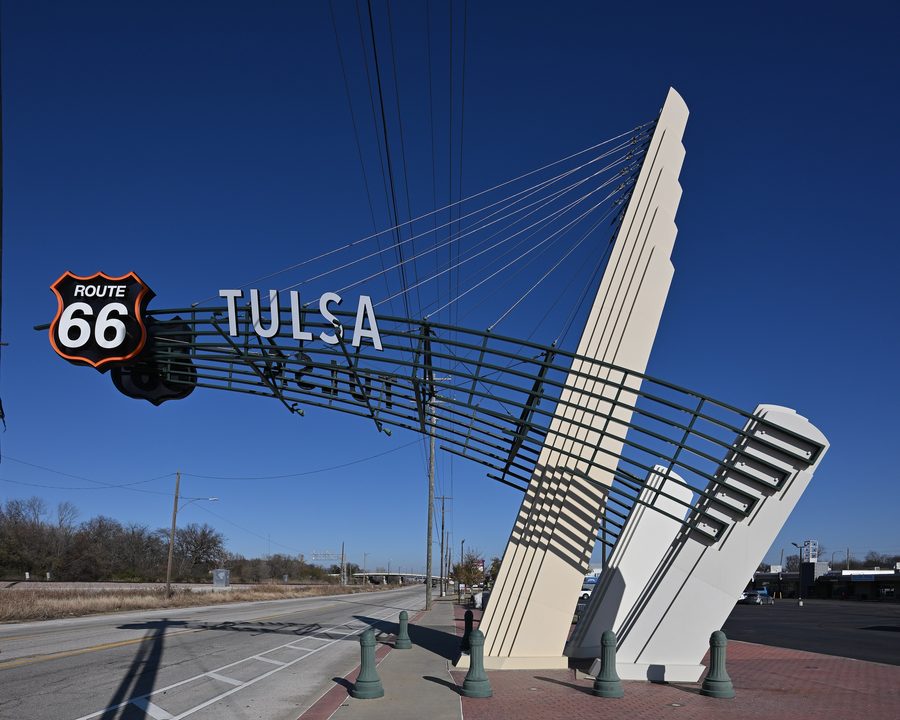
Music is another key to the city’s character. Tulsa is associated with its distinctive Tulsa Sound and with several music-related venues and memorial sites. Cain’s Ballroom, BOK Center, and Church Studio are mentioned as examples of this musical profile. Together with the Route 66 connections, this creates a cultural theme that broadens a family holiday beyond individual sights without requiring a current event program.
Arkansas River and park landscape
As a counterpoint to the cultural program, the Arkansas River landscape offers a different view of Tulsa. Visit Tulsa also mentions walks there; the riverfront park Gathering Place can be built into the city itinerary as a green space. This makes it possible to add time by the river and in the park to a day centered on music, museums, or city history. The sources confirm the park setting, but not specific paths, activities, swimming opportunities, or suitability for certain age groups.
For families, this combination is practical because it allows for different daily rhythms: cultural and interactive activities can be followed by quieter stretches in the green. Even in changeable weather, it is worth keeping indoor-oriented cultural and museum options in mind alongside time by the river and in the park. Individual programs, opening hours, or availability should be checked separately.
Which base in the Tulsa area is right?
Tulsa is the documented urban and cultural focal option. The other linked places belong to the regional Tulsa area, but in the classification confirmed here they mainly differ by their location within the metropolitan area: Broken Arrow, Jenks, Owasso, and Sand Springs are assigned to the first suburban ring around Tulsa. Glenpool is described as a community in the farther-out second ring.
This classification helps with narrowing down choices, but it does not replace a specific mobility comparison. If you want to combine many central cultural attractions, first check accommodations in Tulsa itself. If you prefer a place in the surrounding regional area, compare the exact location with your planned destinations, your own mobility, and your desired daily routine. Recommending a particular nearby community as quieter, cheaper, or more family-friendly would not be justified here.
For the broader picture, the next step leads to Oklahoma, where Tulsa can be placed in the context of the state as a whole.
Frequently asked questions about Tulsa
What makes Tulsa special as a travel destination?
Tulsa combines an urban culture and music profile with museums, city history, Route 66 connections, the Arkansas River landscape, and a riverfront park.
What mix of culture and nature can be planned in Tulsa?
Cultural, music, and history themes can be supplemented with time at the Arkansas River landscape and in the park. This keeps active and quieter parts of the day easy to combine.
Is Tulsa or a nearby town the better base?
Tulsa is the documented urban and cultural focal option. The linked places belong to the regional suburban or metropolitan area; individual comfort and mobility advantages cannot be inferred in general terms.
How can a trip be planned in changeable weather?
Plan cultural, museum-based, and generally interactive activities as a complement to time by the river and in the park. Visit Tulsa describes Tulsa as having four seasons; this does not provide a specific weather forecast.


