
Vacation rentals in Teller County
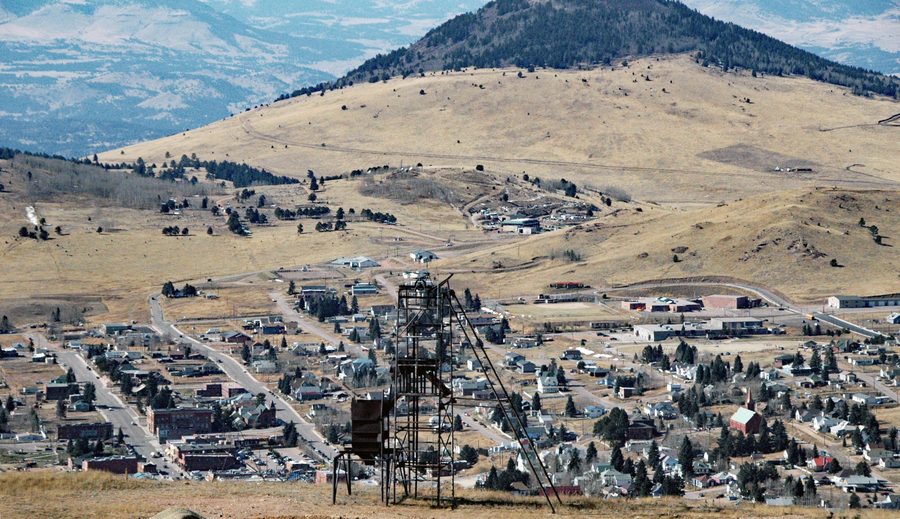 Cripple Creek veranschaulicht die eng mit dem regionalen Goldbergbau verbundene Geschichte des Teller County.
Photo: James St. John via Wikimedia Commons, CC BY 2.0
Cripple Creek veranschaulicht die eng mit dem regionalen Goldbergbau verbundene Geschichte des Teller County.
Photo: James St. John via Wikimedia Commons, CC BY 2.0
Teller County combines the high-country landscape of the western Front Range with public natural areas and the history of the Cripple Creek Mining District. Anyone who wants to experience Colorado not just as a single mountain backdrop, but as a combination of nature, historic places, and prehistoric natural history, will find several documented themes here for trip planning.
Quick facts about Teller County
Landscape: Teller County lies on the western slopes of the Front Range in the area around Pikes Peak. The official description places elevations at about 8,000 feet in Woodland Park and more than 14,000 feet on the back side of Pikes Peak.
Experiences: The documented offerings include mountain and forest landscapes, meadows, granite formations, ponds, reservoir areas, and scenic-historic routes.
History: The county’s identity is closely tied to the growth of the Cripple Creek Mining District; Teller County was founded in 1899.
Mountain landscapes and nature experiences
The documented elevation shapes Teller County’s character as a high-country region. Those who want to focus on mountain scenery and outdoor areas will find several described landscape settings in the county.
Mueller State Park is described with meadows, wooded ridges, Pikes Peak granite formations, and ponds. In the areas around the reservoirs, fishing and scenic walking or cycling experiences are among the mentioned options. This provides a range of nature-based themes for trip planning, without assigning individual activities to any age group in general terms.
Fossils, the Gold Belt Tour, and local history
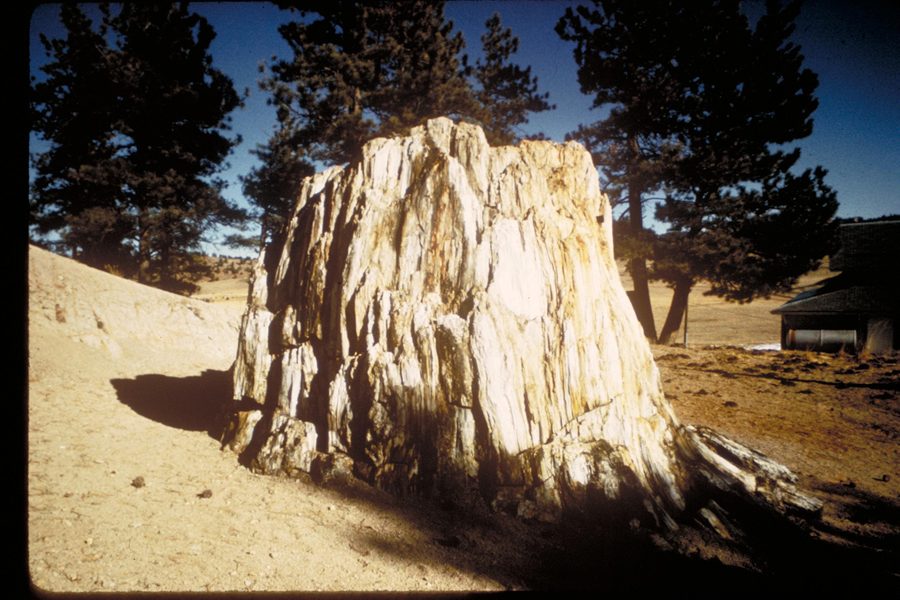
In the Florissant area, an unusual natural-history theme adds to the mountain landscape: documented here are petrified redwood trunks as well as fossils of ancient plants and insects. This can be a focus in its own right when trip planning calls for a geological or natural-history perspective in addition to outdoor experiences.
Another travel idea is the Gold Belt Tour. Designated as a scenic and historic route, it connects the Cripple Creek and Victor Mining District with Florence, Cañon City, and Florissant. In this way, it links changing landscapes with the mining history of the region. For historically minded travelers, Cripple Creek is the key reference point: the town is the county seat and closely connected to the documented mining district.
Which accommodation base best fits the itinerary?
The documented experience areas lead to two different planning directions: the focus can be on natural areas, reservoirs, and mountain landscapes, or on the history of the mining district and the Gold Belt Tour. The vacation apartment or holiday home should therefore match the type of experience you expect to include most often during your stay. No ranking of places can be inferred from this.
Those who want to combine nature and cultural days can view a self-catering format as a flexible planning option. The official route information names State Highway 24 west and Colorado State Highway 67 north as access routes to the county. These details serve as general route and high-country context; they are not linked to any specific amenities or suitability of individual accommodations.
For comparison with other parts of the state, the broader page Colorado provides the right context. Teller County is interesting as a subregion of Colorado because high-country nature, natural history, and mining history come together here in a single travel plan.
Frequently asked questions about Teller County
What makes Teller County especially interesting as a travel destination?
The region combines high-country and mountain landscapes with public outdoor experiences, the history of the Cripple Creek Mining District, and a documented scenic-historic route. In the Florissant area, the prehistoric fossil and redwood theme is added.
What other day-trip themes are there besides hiking and cycling?
Landscapes, reservoir areas, and the fossil-and-redwood theme in the Florissant area offer additional themes for trip planning. The specific choice depends on personal interests.
How does the choice of location affect trip planning?
The sources document different clusters of experiences: natural and recreation areas on the one hand, and historical destinations around the mining district and the Gold Belt Tour on the other. This distinction helps align the search for accommodation with the desired focus, without creating a general ranking of places.


.jpg)