
Holiday apartment in Sonoma
Accommodation in Sonoma
Sonoma County combines the Pacific coast, wine-growing and agricultural landscapes, forests, and the Russian River in a broad region. That contrast is exactly why choosing the right accommodation base matters: with your family, do you want to experience mainly coastal scenery, discover nature and the river, enjoy regional cuisine, or combine different kinds of experiences?
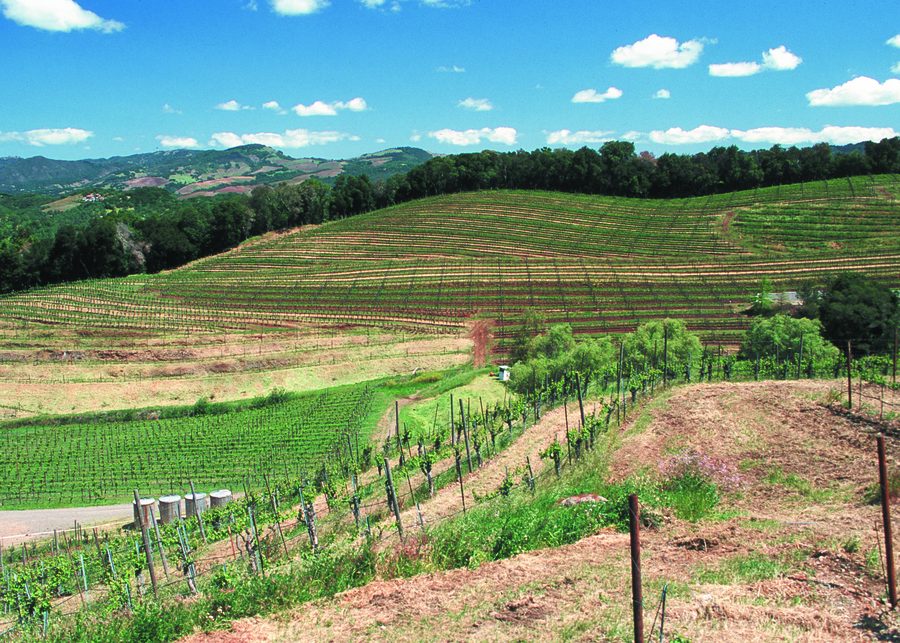 Hügelige Weinberge im Sonoma County
Photo: Photo by Lynn Betts, USDA Natural Resources Conservation Service. via Source, Public domain
Hügelige Weinberge im Sonoma County
Photo: Photo by Lynn Betts, USDA Natural Resources Conservation Service. via Source, Public domain
Photo by Lynn Betts, USDA Natural Resources Conservation Service. Source, Public domain — Public domain
Quick facts about Sonoma
- Sonoma County brings together wine landscapes, forests, and the Pacific coast in a broad region.
- At Jenner, the Russian River meets the Pacific.
- Around Jenner, Jenner Headlands Preserve and Sonoma Coast State Park are mentioned as natural destinations.
- A three-day Culinary Trail itinerary shows that regional cuisine can be a travel highlight in its own right.
- Family materials mention farm and harvest activities, festivals, music, museums, and parks.
Choosing between coast, wine country, river, and forest
Visitors mainly looking for open space and the Pacific coast will plan differently from families who want wine country, agriculture, or forests as the main landscape focus. At Jenner, the transition from river to Pacific is especially easy to picture. The natural destinations mentioned there make it easy to imagine a day trip with coastal, river, and protected-area elements, without implying any specific routes, levels of difficulty, or general suitability for every age group.
The Russian River Valley is also associated with winegrowing, redwoods, and outdoor experiences. Sonoma therefore offers different options for active days and quieter days. For trip planning, what matters less is a blanket ranking of places and more which landscape setting should take center stage.
Food and regional experiences
Winegrowing and agriculture are part of Sonoma’s regional character. In addition, Sonoma County Tourism presents a three-day Culinary Trail itinerary. This is a concrete planning idea for families who want to experience regional cuisine not just as a break, but as a dedicated part of the trip. The itinerary is not a binding program.
Family materials from Sonoma County list festivals, music, farm and harvest activities, museums, and parks throughout the year. This allows you to build an itinerary with varied daily rhythms: a day outdoors can be followed by a cultural or more relaxed program. For autumn, farm and harvest experiences such as apple pressing and other seasonal offerings are mentioned. Other events are listed in the family calendar throughout the year; you should check current dates and whether they are taking place separately each time.
Choosing the right accommodation base for your itinerary
Sonoma is expansive and combines clearly different landscapes. Choose your accommodation first according to the most important daily focus: the coast, the Russian River and forest nature, wine and agricultural landscapes, or events and cuisine. The region’s diversity is documented, but specific travel times, transport connections, and advantages of individual places are not. So do not plan accommodation on the assumption that certain experiences are automatically quick or easy to reach.
For families with different interests, a base can be useful from which both outdoor and farm activities as well as museums, parks, or events fit into the itinerary. Anyone wanting to plan many shared meals flexibly should check the facilities of the selected holiday home or holiday apartment directly on the individual listing; no specific self-catering equipment can be guaranteed for the region in general. What matters is that location, daily focus, and family rhythm fit together.
Places for further selection
You can find the direct places on this Sonoma page here as starting points for your own selection: Annapolis, Bodega Bay, Cazadero, Cloverdale, Cotati, Forestville, Geyserville, Glen Ellen, Graton, Guerneville, Healdsburg, Jenner, Monte Rio, Occidental, Petaluma, Rohnert Park, Santa Rosa, Sea Ranch, Sebastopol, Sonoma, Stewarts Point, Valley Ford, Vineburg, and Windsor.
For context within the broader travel region, you can also open California.
Frequently asked questions about Sonoma
What makes Sonoma special as a travel destination?
Sonoma County combines wine and agricultural landscapes with forests, river scenery, and the Pacific coast. At Jenner, the Russian River meets the Pacific.
What kinds of experiences can be combined in Sonoma with children?
Family materials mention farm and harvest activities, festivals, music, museums, and parks. You should check the current offerings and dates.
When do seasonal farm and harvest experiences work especially well?
Autumn farm and harvest activities are explicitly mentioned. Other events are listed throughout the year in the family calendar.
Which area suits a nature or food focus?
The coast and the Russian River stand for river, forest, and coastal nature; winegrowing and agriculture shape other parts of the region. The accommodation base should match your personal main focus, without any specific routes being documented.

(NRCS_Photo_Gallery).jpg)