
Accommodations in Nicaragua
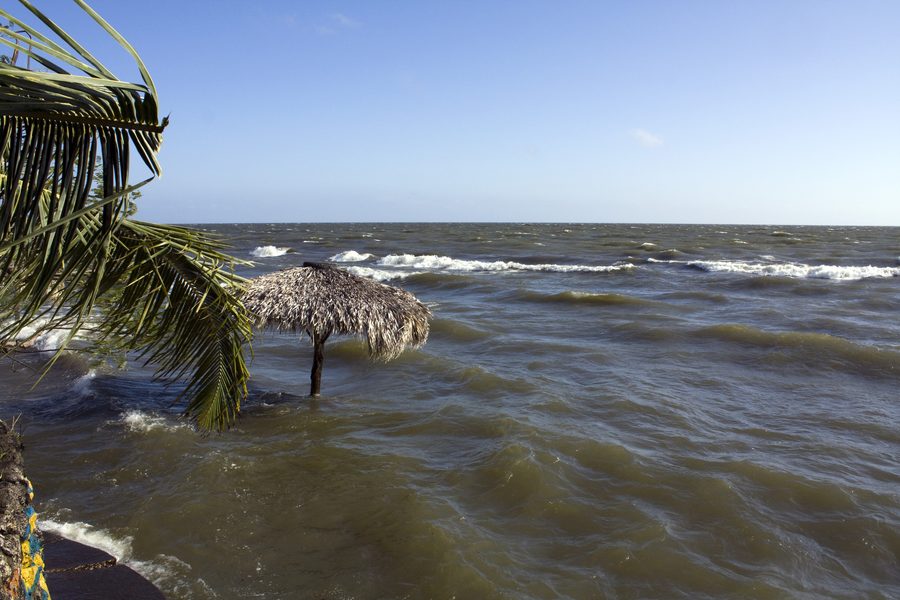 Lake Nicaragua at Ometepe Island, near Playa Santo Domingo.
Photo: Captain Herbert via Wikimedia Commons, CC BY-SA 3.0
Lake Nicaragua at Ometepe Island, near Playa Santo Domingo.
Photo: Captain Herbert via Wikimedia Commons, CC BY-SA 3.0
Nicaragua is intriguing because it combines very different travel settings: Pacific coastal landscapes, the northern central highlands, Caribbean lowlands, the broad Lake Nicaragua, and cities such as León, Granada, and Managua. For families, the right choice therefore does not begin with a place name, but with the question of whether the shared days should be spent by the water, in nature, in the city, or as a varied combination.
Quick & useful
- Three major landscape regions help with initial orientation: the Pacific lowlands, the northern central highlands, and the Caribbean lowlands.
- Lake Nicaragua combines a vast lake landscape with volcanic islands; the Ometepe biosphere reserve represents this special lake-and-island contrast.
- León, Granada, and Managua are distinctive urban reference points for a trip that combines nature experiences with city discovery.
- On the Pacific coast, San Juan del Sur and El Ostional are among the named surf beaches.
- Gallo pinto is a concrete introduction to Nicaraguan cuisine.
- Corn-based dishes on the Pacific side and coconut-based dishes on the Caribbean coast show a culinary shift between the country’s different regions.
Landscapes for very different travel days
The three major landscape regions give a trip to Nicaragua its basic rhythm. The Pacific lowlands and the Pacific coast suit a trip where time by the coast and places in the west are meant to be combined. The northern central highlands, by contrast, stand for an inland and nature focus. The Caribbean lowlands open up a clearly different geographic travel picture.
This division is not a complete portrait of every region, but it is a helpful first decision: should the accommodation be close to the desired coastal area, better support an inland focus, or fit a Caribbean leg of the journey? Especially when travelling with children, it can make sense to define the main landscape focus first and only then compare individual places or accommodations.
Lake Nicaragua and Ometepe: a distinct nature focus
Lake Nicaragua adds another perspective to travel planning. Volcanic islands and the island of Ometepe in the lake create a landscape experience that is clearly different from a pure city break or a stay on the Pacific coast. For a family, this focus can be especially appealing when shared nature discoveries are meant to be the centrepiece.
If you want to firmly include Lake Nicaragua and Ometepe in your plan, the accommodation location should be chosen to suit that intention. A base for lake and island experiences is not automatically the right choice for a trip that is mainly about combining cities or Pacific beaches. Conversely, a city-based or coast-oriented stay may be more sensible if the lake is only one part of a broader round trip.
City, coast, and shared discoveries
León, Granada, and Managua are Nicaraguan cities that act as urban reference points and provide a contrast to nature and coastal landscapes. This makes it possible to structure a trip according to the family’s interests: one day can be devoted to exploring a city, while other days are more strongly focused on landscape or water. Specific city destinations and time at the coast should be understood as different priorities, not interchangeable alternatives.
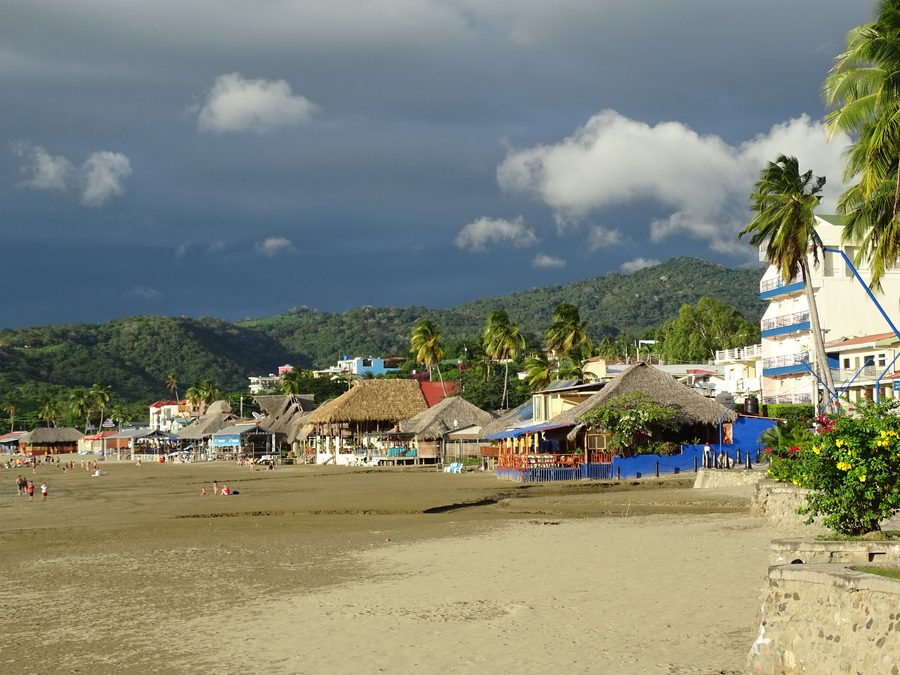
The Pacific coast offers examples of a beach- and surf-oriented travel section with San Juan del Sur and El Ostional. If you want to combine this coastal perspective with city visits, it is best to choose accommodation according to the focus of each stage. For a longer stay, what truly needs to be in the foreground in everyday life is decisive; on a round trip, by contrast, changing between city, coast, and lake can shape the overall travel experience.
Select regions by travel profile
For initial regional orientation, the available areas can be grouped into three broad selection spaces. In the western and Pacific area, Carazo, Chinandega, Granada, León, Managua, Masaya, and Rivas are available for further selection. In particular, the cities named here and the Pacific coast make this area relevant when weighing up urban discovery, the coast, and a western travel focus.
For northern and central inland areas, you will find Chontales Department, Departamento Boaco, Departamento de Chontales, Esteli, Jinotega, Madriz Department, Matagalpa, and Nueva Segovia. The two Chontales entries remain separate options, each with its own destination page.
The Caribbean and southeastern area includes North Caribbean Coast Autonomous Region, Autonomous Region of the Southern Atlantic, Río San Juan, and South Caribbean Coast Autonomous Region. These names make the Caribbean travel area visible as a distinct direction. For choosing accommodation, it is especially important here whether the trip is actually aimed at this landscape region or whether the focus is on the Pacific, cities, or Lake Nicaragua.
Taste as part of the journey
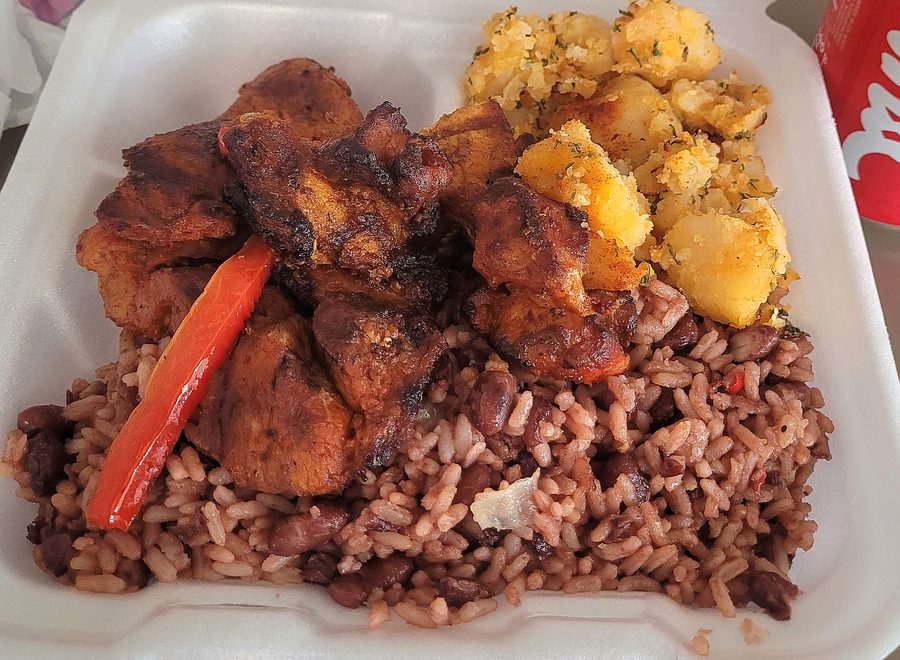
Gallo pinto offers an uncomplicated introduction to the culinary side of Nicaragua. The regional orientation becomes even more interesting through the contrast described between corn-based dishes on the Pacific side and coconut-oriented dishes on the Caribbean coast. In this way, food becomes a shared discovery that makes the shift between the country’s regions tangible beyond landscapes and cities.
Which base suits the travel plan?
In Nicaragua, accommodation should primarily match the intended landscape and experience focus. Different location choices arise for a coastal stage, a city trip, Lake Nicaragua with Ometepe, or a Caribbean section. Before booking, therefore, check the exact location of the accommodation if short distances to a particular focus are important for your family.
For families with several children and different wishes, a clear stage-based idea can help: deliberately combine city and coast, treat the lake as its own nature section, or concentrate the stay on one landscape region. Which option fits best depends less on the country’s name than on the desired mix of active days, quieter moments, shared discoveries, and straightforward day planning.
Frequently asked questions about Nicaragua
Which major landscape regions help with initial trip planning?
The broad orientation is provided by the Pacific lowlands, the northern central highlands, and the Caribbean lowlands. This division helps define the desired landscape focus before selecting accommodation.
Can a stay at Lake Nicaragua be combined with island experiences?
Lake Nicaragua includes volcanic islands; Ometepe is a concrete nature focus as a lake-and-island destination. If this focus matters, the accommodation location should be aligned with lake and island planning.
What culinary differences can be discovered?
Gallo pinto is a well-known starting point. Beyond that, the Pacific side is known for corn-based dishes, while the Caribbean coast features coconut dishes that set a different culinary accent.


.jpg)
