
Discover Myanmar
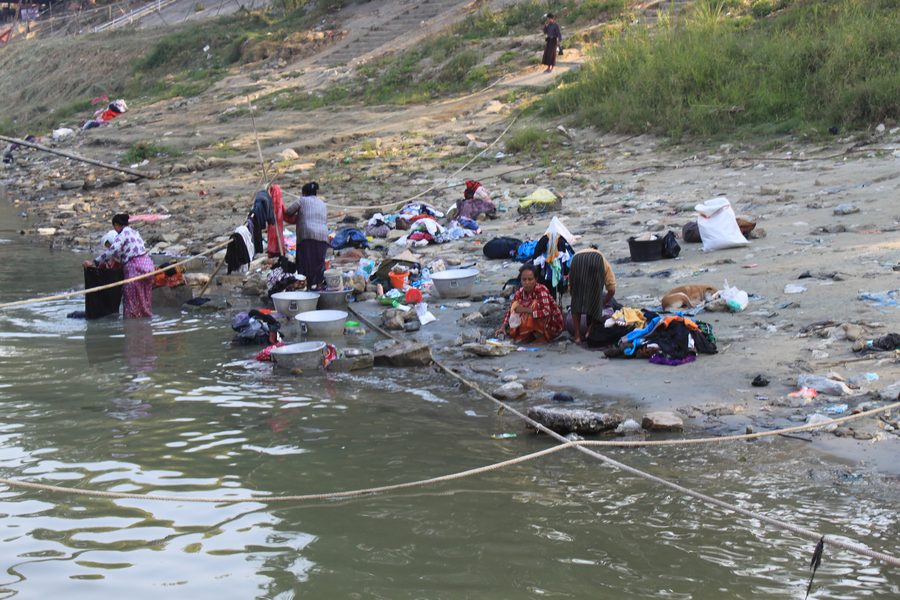 Der Ayeyarwady prägt als großer Fluss weite Teile Myanmars.
Photo: Anagoria via Wikimedia Commons, CC BY 3.0
Der Ayeyarwady prägt als großer Fluss weite Teile Myanmars.
Photo: Anagoria via Wikimedia Commons, CC BY 3.0
Myanmar invites you on a journey between northern mountain landscapes, broad rivers, delta regions, and coastlines. Added to this are golden pagodas, historical traces, and a cuisine that becomes especially immediate and tangible in markets and small food stalls. For your travel planning, it is therefore worthwhile to first decide on the desired mix of culture, nature, water, and relaxed days of discovery—and only then choose the location of your accommodation.
Quick & Good to Know
- Mountains in the north, rivers in the interior, and coastal areas create distinctly different landscape impressions.
- Golden pagodas and historical relics add a defining cultural landscape to nature experiences.
- Many ethnic traditions and the strongly Buddhist-influenced cultural sphere make Myanmar culturally diverse.
- The Ayeyarwady Delta is an example of water-rich landscapes and rice fields.
- In markets, freshly prepared meals from small food stalls are part of everyday culinary life.
- Mohinga, a spicy fish soup with rice noodles, is traditionally eaten for breakfast.
Myanmar Between Mountains, Rivers, and Coast
Myanmar cannot be reduced to a single travel image. In the north, mountain regions shape the country, while rivers run through many parts of the land. In the south and along the coast, the landscape changes again. This very variety makes it important to choose your travel focus carefully: someone looking for nature and open space will think about a stay differently than a family that wants cultural impressions and market visits at the center of the trip.
The Ayeyarwady Delta reaches the Gulf of Bengal and clearly shows how closely water, agriculture, and landscape can be connected. You can find more on this landscape region under Ayeyarwady. You can also include Irawadi in your further planning for this water-focused travel approach.
Pagodas, History, and Shared Discoveries
Among the defining impressions are golden pagodas and traces of a long history. Such cultural moments can structure a day of travel without the trip consisting solely of sightseeing: a visit to a historical site can be followed by a market visit, and on another day a landscape may take center stage. This makes it easier for families with different interests to find a varied rhythm.
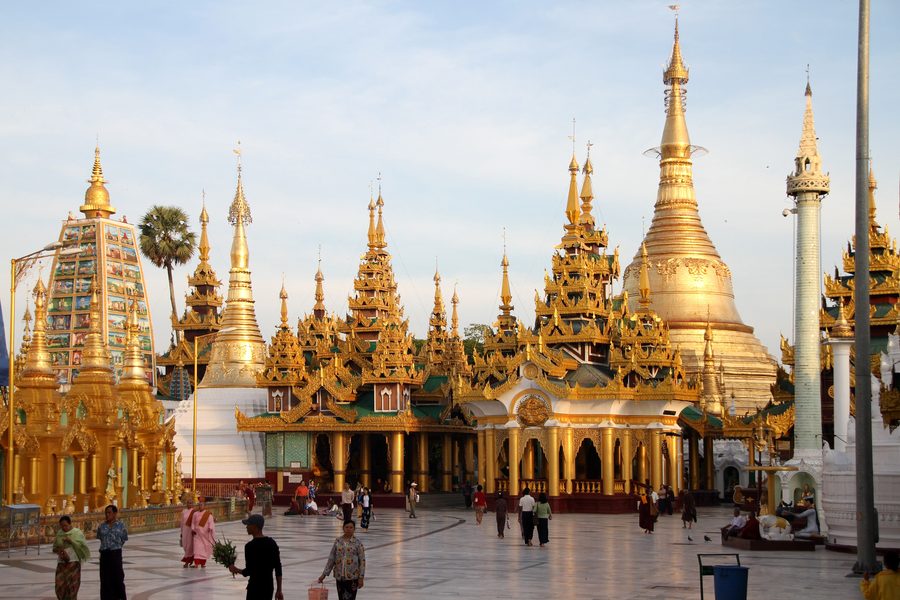
For culture- and market-oriented days, you can include Rangoon and Mandalay Division in your travel planning.
A Cuisine That Invites Discovery
Myanmar’s cuisine varies by region. Rice, curries, and ngapi, a fermented fish paste, are among its characteristic ingredients. In markets, small food stalls make the food culture especially vivid: trying something unfamiliar together can become part of the travel experience just as much as a visit to a historic building.
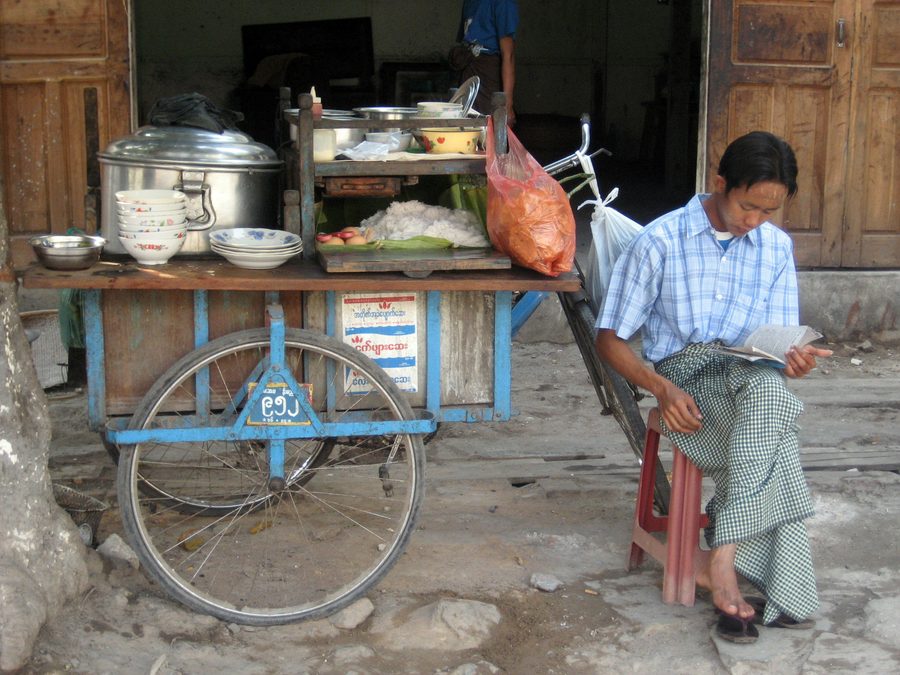
A concrete place to start is Mohinga: the spicy fish soup with rice noodles is traditionally eaten for breakfast. If you want to plan market and food discoveries, you can take this focus into account when choosing a location just as much as pagodas, history, or landscape.
Which Travel Idea Suits You?
A cultural focus combines pagodas, historical relics, and everyday market life. A water-focused travel plan brings rivers and delta landscapes to the fore. Those seeking landscape contrast can view mountain and inland areas as a separate chapter of the trip. The direct regions Chin State, Kachin State, and Shan State remain visible as regional starting points for the northern and inland landscape contrast.
Coastal and water landscapes are also part of the nationwide picture. If this focus matters to you, you can include Rakhine and Tanintharyi Division in your further planning. What matters less is having the longest possible list and more which experiences should be at the center of your days together.
Choosing an Accommodation Location That Fits Your Travel Plan
If cultural sites and markets are your main focus, a location close to the planned points of interest makes sense. For a delta, river, or coastal focus, the accommodation should suit that landscape region rather than serve as a supposedly central base for the entire country. When several areas are planned, it is also wise to be conservative with day planning: outside the major centers, road quality can vary. Check the exact location in relation to your planned excursions.
Whether a property is suitable as a quiet retreat or as a base for cultural and market visits depends above all on your travel profile. Specific prices, amenities, and availability for individual properties should be checked separately.
More Regions in Myanmar
For regional exploration, the following are also available: Bago Division, Kayin State, Kyweshin, Magway Region, Minhla, Mon State, Myaungmya, Naypyitaw Union Territory, and Sagaing Division. This allows you to connect the nationwide impression with a concrete regional search.
Frequently Asked Questions About Myanmar
What different travel experiences can be combined in Myanmar?
Mountain landscapes, rivers, delta regions, pagodas, historical relics, and markets form different building blocks for a varied trip. You can combine cultural and food discoveries with nature or water landscapes.
What role does the local cuisine play on a trip through Myanmar?
Cuisine provides direct access to everyday life. Market food stalls, rice, curries, ngapi, and the traditional breakfast dish Mohinga make regional flavors and eating habits easy to understand.
How can cultural and market days be combined with landscape experiences?
A day of travel can combine a historical site with a subsequent market visit, while another day centers on rivers, delta areas, or mountain landscapes. This creates a varied rhythm between culture, cuisine, and nature.


